
Congratulations on Taking the First Step
to More Digital Visibility!
Then next step is to schedule a Strategy session...

The digital world is constantly evolving, and as we charge into 2024, the web design landscape is no different. Staying abreast of the latest web design trends is crucial for businesses looking to maintain a competitive edge and capture the ever-shifting attention of online audiences. This year, designers are breaking new ground with creative approaches that blend aesthetics with advanced technology, ensuring websites are not only visually appealing but also highly functional and user-centric. Get a quote today to infuse your website with the freshest design trends of 2024.
From embracing dark mode interfaces that are easy on the eyes to the integration of immersive 3D elements that bring digital experiences to life, 2024’s trends are all about creating a captivating and inclusive online presence. Bold typography, fluid animation, and AI-powered personalization are also making waves, paving the way for more dynamic and personalized web experiences. Whether you’re building a brand-new site or revamping an existing one, incorporating these cutting-edge design elements can significantly enhance user engagement and drive business success.
As we delve into the specifics of each trend, it’s important to remember that the ultimate goal is to deliver a website that not only looks stunning but also performs seamlessly across all devices and platforms. This balance of form and function is the key to unlocking the door to Absolute Web Success for Your Business. Ready to revolutionize your web presence? Get a quote and let’s embark on a journey to make your website a true reflection of your brand’s innovation and uniqueness in 2024.
The minimalist aesthetic has taken the world of web design by storm, and its dominance continues to grow in 2024. This design philosophy is rooted in the concept of ‘less is more’, and it prioritizes simplicity and clarity over complexity and extravagance. By stripping away superfluous elements, minimalist web designs focus on essential content, leading to cleaner, faster, and more user-friendly websites.
Key features of the minimalist approach include the use of ample white space, which creates a sense of tranquility and helps guide visitors’ focus to the most important content. The color palettes are often monochromatic or feature a limited range of hues, giving the site a cohesive and sophisticated look. In typography, the trend leans towards bold and readable fonts that make a statement while remaining easily scannable.
Navigation is another area where minimalism shines. Streamlined menus and fewer pages reduce user confusion and contribute to a more intuitive experience. The result is a website that is not just aesthetically pleasing but also highly functional, encouraging visitors to stay longer and engage more deeply with the content. As businesses seek to create websites that stand out in a crowded digital space, the minimalist aesthetic offers a powerful way to convey a brand’s message with clarity and impact.

As we delve deeper into 2024, the use of advanced animation in web design is transforming static websites into dynamic, interactive, and engaging online experiences. Animations range from subtle micro-interactions that provide feedback to users, to large-scale motion graphics that tell a brand’s story and guide visitors through the site’s narrative.
Micro-interactions, for instance, play a crucial role in enhancing the user experience. They can draw attention to important elements, indicate actions, and provide immediate, visual responses to user inputs. These small animations contribute significantly to the overall feel of interactivity and can significantly boost user engagement and satisfaction.
On the other end of the spectrum, larger animations can be used to create immersive experiences. With advancements in web technologies like CSS3, HTML5, and JavaScript frameworks, designers can implement complex animations that were once only possible in standalone applications. These animations are not just for aesthetic appeal; they serve practical purposes such as visual storytelling, directing users’ attention, and making the navigation journey more intuitive and enjoyable.
However, it’s important to balance the use of animation with performance considerations. Overloading a website with heavy animations can lead to increased load times and potentially hinder the user experience. Thoughtful implementation and optimization of animations ensure that they enhance rather than detract from the site’s functionality and accessibility.

Accessibility has become a cornerstone in web design, and it’s a trend that’s only gaining more traction in 2024. Prioritizing accessibility means creating web experiences that are usable for everyone, including people with disabilities. This inclusive approach to design ensures that websites are navigable and functional for users with various needs, from those with visual impairments to individuals with motor difficulties.
Designers are adopting best practices such as ensuring sufficient color contrast, using semantic HTML for better screen reader interpretation, and providing keyboard navigation options. These measures not only help make the web more inclusive but also improve overall user experience and can even boost SEO rankings, as search engines favor accessible websites.
Another aspect of accessible design is the incorporation of ARIA (Accessible Rich Internet Applications) attributes, which enhance web content and applications with advanced user interface controls. By defining ways to make web content and web applications more accessible to people with disabilities, ARIA plays a vital role in inclusive web design.
Maintaining accessibility also requires regular testing and updates. Automated testing tools can help identify issues, but manual testing by people with disabilities is invaluable for gaining insights into real-world usage. An accessible website not only extends the reach to a wider audience but also reflects a company’s commitment to social responsibility.
With the rise of dark mode interfaces across operating systems and applications, web design has followed suit by embracing this visually soothing aesthetic. Dark mode design not only enhances user comfort by reducing eye strain in low-light environments but also offers a sleek, modern look that many users find appealing.
Implementing dark mode on websites involves the careful selection of dark background colors contrasted with lighter text, images, and UI elements. This not only creates a striking visual but also contributes to energy saving on OLED and AMOLED screens where true blacks are more power-efficient.
The challenge for designers is to balance aesthetics with readability and usability. Key considerations include ensuring that elements are still discernible in dark mode and that the transition between light and dark modes is seamless. Many successful designs achieve this by using desaturated colors that reduce glare and improve the overall viewing experience.
Furthermore, the option to switch between modes is often appreciated by users, giving them control over their visual experience. This flexibility can be a significant factor in user satisfaction and can contribute to the time they spend on a site. As such, integrating dark mode design is more than a trend; it’s a user-centric approach to web design that prioritizes comfort and personal preference.

As technology advances, web design trends continuously evolve to incorporate new methods of interaction. One of the most groundbreaking incorporations into web design is voice-activated navigation. This trend is revolutionizing user interfaces by providing an intuitive and hands-free way to interact with websites.
Integrating voice recognition technology, websites can now respond to voice commands, making navigation more accessible for users with disabilities and enhancing the convenience for all users. This integration aligns with the overarching goal of creating inclusive web experiences that cater to a diverse range of users.
The implementation of voice-activated navigation requires a thoughtful design approach that anticipates user needs and commands. Designers must consider the varying natural language patterns and ensure the website’s voice interface can interpret and respond to a wide range of verbal instructions. Beyond basic navigation, voice commands can be extended to control other interactive elements on the site, such as form submissions and media control.
To ensure a seamless experience, it’s essential for designers to provide users with clear feedback and instructions on how to use voice navigation effectively. This can include visual cues or tutorial overlays that guide users on how to interact with the voice-activated features. As voice recognition technology becomes more sophisticated, its integration into web design is set to become more prevalent, offering a glimpse into the future of interactive user interfaces.
Personalization is at the forefront of modern web design, with AI and machine learning technologies playing a pivotal role in delivering tailored user experiences. These advanced technologies analyze user data and behavior to facilitate dynamic changes in website content, layout, and interaction, ensuring that each visitor’s experience is as relevant and engaging as possible.
AI algorithms can track user engagement, learning from interactions to predict and present content that aligns with individual preferences. This level of personalization not only enhances user satisfaction but also boosts conversion rates by presenting users with options that are more likely to resonate with them. Machine learning further refines this process over time, constantly improving the accuracy of content recommendations and interface adjustments.
Designers now have the tools to create websites that adapt in real-time, offering unique experiences based on time of day, geographic location, device type, and past user behavior. This intelligent personalization extends beyond content, affecting visual elements such as color schemes and imagery, as well as functional aspects like navigation paths and call-to-action prompts.
To stay ahead in the rapidly evolving digital landscape, businesses must leverage these AI-driven web design capabilities. At Guru-is.com, we specialize in incorporating AI and machine learning into our design process to create highly personalized, user-centric websites that drive engagement and conversion.
Ready to transform your online presence with a personalized website that leverages the latest in AI technology? Get a quote and see how we can deliver absolute web success for your business.

The landscape of web development is ever-evolving, and Graphical User Interfaces (GUIs) play a pivotal role in this dynamic field. Understanding the significance of GUIs in web development is essential for developers aiming to create intuitive and engaging websites. GUIs serve as the bridge between users and complex code, translating programming languages into visual elements that can be easily interacted with. The best GUI for web development not only accelerates the development process but also enhances the user experience by making it more seamless and straightforward.
When selecting a GUI, developers look for tools that offer a combination of user-friendly design, efficiency, and powerful features. This ensures that the web development process is not only productive but also enjoyable. With the right GUI, developers can focus on bringing creative ideas to life, rather than getting bogged down by the intricacies of code. Whether you’re a seasoned developer or just starting out, the importance of a robust GUI cannot be overstated.
Embark on your journey to discover the best GUIs for web development with our expertly curated list. Let’s explore the top picks that can transform your web projects and elevate your development experience to new heights. If you’re ready to revolutionize your web development process, Get a quote with us today and ensure absolute web success for your business.

An intuitive GUI is the cornerstone of a successful web application. It ensures that the end-user can navigate and operate the software effortlessly, without the need to understand the underlying technical complexities. An interface that is easy to understand and use is crucial for user retention and satisfaction. When users find the interface confusing or cumbersome, they are likely to abandon the application in favor of one that provides a better user experience.
Developers must prioritize the creation of interfaces that are logical, clearly labeled, and come with familiar elements that align with user expectations. This not only reduces the learning curve but also empowers users to make full use of the application’s capabilities. Efficiency is another critical aspect of an intuitive GUI, as it allows users to achieve their objectives quickly and enhances the overall productivity of the software.
Moreover, the importance of aesthetics in an intuitive GUI cannot be overlooked. A visually appealing design can engage users and contribute to a positive first impression, which can be a decisive factor for continued use. In summary, an intuitive GUI is indispensable for the success of web development projects, as it directly influences user experience, engagement, and ultimately, the success of the software.

Selecting the right GUI tools can make a significant difference in the web development process. These tools are designed to streamline project workflows, enhance productivity, and enable developers to construct robust, responsive user interfaces. Here are some of the top-rated GUI tools that have garnered the trust of the web development community:
Each tool comes with its unique set of features and benefits, catering to different aspects of web development. Factors such as project requirements, team size, and individual proficiency with the tool should guide developers in choosing the best GUI for their web development needs.
Creating an optimal web development environment is crucial for enhancing efficiency and comfort during the development process. Customization plays a key role in tailoring the environment to fit individual needs and preferences, ultimately leading to a more productive workflow. Here are some tips to effectively customize your web development environment:
By customizing your development environment, you not only enhance your ability to write and manage code but also create a space that encourages focus and innovation. Remember, the goal is to create an environment that works for you, so don’t hesitate to try out different configurations until you find the perfect setup.

When it comes to selecting the best GUI for web development, comparing the features and user experience of each option is essential. A well-designed GUI can accelerate development processes, reduce errors, and provide a more enjoyable coding environment. Here are key aspects to consider while comparing GUIs:
While evaluating these factors, it’s also important to consider the learning curve associated with each GUI. A straightforward, user-friendly interface might be more appealing to beginners, whereas experienced developers may prefer a GUI with advanced features and customization options. Ultimately, the best GUI for web development is one that aligns with your specific needs, preferences, and the nature of your projects.

Finding the right graphical user interface (GUI) is more than just about the looks; it’s a crucial step in maximizing productivity for any web development project. The ideal GUI should not only be aesthetically pleasing but also empower developers to write code more efficiently, manage resources effectively, and perform tasks with ease. To ensure that you are getting the most out of your GUI, consider the following:
To make an informed decision, it’s worthwhile to test different GUIs to see which one resonates with your personal and project requirements. Remember, the goal is to find a GUI that doesn’t just get the job done, but enhances your efficiency and the quality of your work.
At Guru-is.com, we understand the importance of using the right tools for web development. Let us help you achieve absolute web success for your business. Get a quote today to find out how we can assist you with your web development needs and ensure you’re equipped with the best GUI for your projects.

Embarking on the journey of Search Engine Optimization (SEO) begins with grasping its core principles. SEO is a multifaceted discipline that comprises various techniques and best practices to enhance the visibility and ranking of a website on search engines. At the heart of SEO lies the understanding of how search engines work and what they value when presenting results to users.
To start, it’s essential to recognize that search engines aim to provide the most relevant and valuable content to their users. To achieve this, they use complex algorithms that analyze a multitude of factors such as keyword relevance, site structure, user experience, and backlink profiles. Optimizing your site for these factors can significantly increase your chances of appearing on the coveted first page of search results.
Keyword research is the cornerstone of SEO, where you identify the terms and phrases your target audience is searching for. This research helps you tailor your content to meet the needs and interests of your visitors, which in turn signals to search engines that your site is a relevant source for those topics. Additionally, ensuring your website is well-structured with a clear hierarchy and easy navigation aids both search engines and users in finding information quickly.
Remember, the landscape of SEO is continuously evolving, so staying informed about the latest trends and algorithm updates is crucial. Ready to maximize your website’s potential? Get a quote today and let us help you navigate the complexities of SEO to achieve Absolute Web Success for Your Business!
After gaining a fundamental understanding of SEO, the next pivotal step is to craft quality content that not only engages your audience but also aligns with search engine algorithms. Quality content is the fuel that drives SEO success. It’s not just about producing content for content’s sake; it’s about creating valuable, informative, and engaging material that serves the needs of your audience.
One of the best search engine optimization tactics for your website is to focus on originality and relevance. Search engines prioritize content that offers unique insights and provides answers to user queries. This can be achieved through extensive topic research, understanding user intent, and incorporating the right keywords naturally into your text.
The structure of your content also plays a significant role in its effectiveness. Breaking down your content into smaller paragraphs with subheadings makes it easier for readers to digest and enhances the readability, which is a factor in SEO rankings. Additionally, incorporating multimedia elements like images, videos, and infographics can make your content more appealing and shareable, thus increasing its reach and impact.
Remember, consistency is key. Regularly updating your website with fresh content keeps your audience coming back and signals to search engines that your website is active and relevant. By investing time and effort into creating quality content, you’re building a solid foundation for SEO success and ultimately driving more traffic to your site.
Once you’ve mastered the art of content creation, the next step in deploying the best search engine optimization for your website is to hone your on-page optimization techniques. On-page optimization refers to all measures that can be taken directly within your website to improve its position in the search rankings. This includes optimizing your titles, descriptions, content, and overall website structure.
Titles and meta descriptions are crucial on-page elements. They give search engines and users a brief overview of what your webpage is about. Crafting concise, compelling, and keyword-rich titles and descriptions can significantly increase your click-through rates. Use targeted keywords in your title tags to clearly indicate the topic of your page, but ensure they fit naturally and resonate with your audience.
Header tags are also important for on-page SEO. They help organize content for readers and search engines alike. Using <h1> to <h6> tags to structure your content makes it more scannable and can boost your website’s rankings when used appropriately. It’s essential to include your primary keyword in at least one subheading and sprinkle related terms throughout the subheadings to reinforce the topic to search engines.
Internal linking is an often-overlooked aspect of on-page optimization. By linking to other pages on your site with relevant anchor text, you help search engines crawl your site more effectively and provide users with more valuable content. This practice not only improves user engagement but also strengthens the keyword relevance and authority of your pages.
Ensuring your website’s images are optimized is another key on-page technique. Use descriptive, keyword-rich file names and alt tags for your images. This not only helps search engines understand and index your images but also improves accessibility for users with screen readers, enhancing the overall user experience.

Aside from optimizing your website’s internal features, external factors like link building are instrumental in enhancing your SEO. Link building involves acquiring hyperlinks from other websites to your own, a process which search engines use as one of the main factors for determining a website’s ranking. High-quality backlinks signal to search engines that others vouch for your content, thereby increasing the perceived authority and relevance of your website.
One effective method for link building is to create shareable content. Infographics, in-depth guides, and original research are types of content that tend to attract attention and are likely to be shared by others in your industry. Once you have valuable content, actively reach out to influencers, bloggers, and other websites that may be interested in linking to your content.
Guest blogging is another powerful strategy. By contributing articles to other websites in your niche, you can include a link back to your site. This not only drives direct traffic but also enhances your site’s link profile. It’s important to focus on quality over quantity; securing a few links from highly respected sites is much more beneficial than many links from obscure, low-quality sites.
Don’t forget to leverage the power of social media to promote your content and gain backlinks. Platforms like LinkedIn, Twitter, and Facebook can be used to share your content and engage with your audience, increasing the chances of others linking to your site.
Lastly, regularly review your link profile to identify and disavow any toxic backlinks that might harm your SEO. A clean and reputable link profile is vital for maintaining your site’s trustworthiness in the eyes of search engines.
Technical SEO is the backbone of your website’s search engine performance. It encompasses the structural elements that affect the efficiency with which search engine crawlers can access, interpret, and index your website. A solid technical foundation can significantly boost your site’s visibility and user experience.
To ensure your website’s technical SEO is up to par, start by conducting a comprehensive site audit. This will help identify issues such as broken links, slow loading speeds, and duplicate content. Addressing these issues promptly is crucial as they can impede search engine crawlers and negatively impact rankings.
Improving site speed is another critical aspect of technical SEO. Search engines favor websites that load quickly, as this provides a better experience for users. Optimizing images, leveraging browser caching, and reducing server response time are all practical steps you can take to enhance your site’s performance.
Moreover, your website should be mobile-friendly. With the increasing prevalence of mobile browsing, search engines now prioritize websites that are optimized for mobile devices. Responsive design ensures that your site looks and functions well on all devices, which is fundamental for both technical SEO and user satisfaction.
It’s also essential to manage your site’s architecture and create a logical hierarchy. This includes having a clear navigation structure, utilizing breadcrumbs, and implementing a comprehensive internal linking strategy. These steps help search engines and users alike to understand the structure and content of your website, resulting in better indexing and easier navigation.
Finally, don’t overlook the significance of a secure website. Implementing HTTPS encryption is not only good practice for protecting your users’ data but is also a ranking factor for many search engines. Ensuring that your website’s foundation is secure, fast, and accessible lays the groundwork for successful SEO.
Measuring and analyzing your SEO performance is vital for gauging the success of your optimization efforts and for identifying opportunities for continuous improvement. Utilizing tools like Google Analytics and Google Search Console provides you with a wealth of data to understand your traffic sources, user behavior, and how search engines are indexing your site.
Key performance indicators (KPIs) such as organic traffic, bounce rate, conversion rate, and keyword rankings are crucial metrics that can give you insight into how well your SEO strategies are performing. Regularly tracking these metrics allows you to pinpoint what’s working and what’s not, enabling you to make informed decisions on how to adjust your tactics.
Conducting an SEO performance analysis should be an ongoing process. Search engine algorithms are constantly evolving, and your competitors are likely also optimizing their sites. Keeping a close eye on your SEO performance helps you stay ahead of the curve and maintain a competitive edge in the digital space.
Remember, SEO is not a one-time task but a continuous cycle of optimization, measurement, and refinement. By consistently analyzing your performance and making necessary adjustments, you can ensure that your SEO strategies remain effective and contribute to the long-term success of your business.
If you’re looking to take your website’s SEO to the next level, don’t hesitate to reach out. Our team at Guru-is.com specializes in crafting SEO strategies that drive real results. Get a quote and let us help you measure and optimize your SEO performance for absolute web success!
Embarking on a journey to master the art of Search Engine Optimization (SEO) is crucial for any business looking to secure a dominant online presence. At its core, SEO is the strategic process of enhancing a website’s visibility in search engine results, ensuring your business stands out in the digital landscape. Understanding the fundamentals involves grasping how search engines operate, the way they index content, and, importantly, the criteria they use to rank websites.
Search engines such as Google deploy complex algorithms that evaluate myriad factors before determining the relevance and authority of your website. These factors include keyword usage, site structure, user experience, mobile-friendliness, and inbound links, among others. By optimizing these elements, your website becomes more attractive to search engines—propelling it up the rankings and driving more organic traffic to your site.
Initiating a successful SEO strategy begins with a comprehensive audit of your website to identify areas that need improvement. From there, you can implement targeted actions to enhance your site’s performance. Remember, SEO is not a one-time task but a continuous effort that evolves with search engine algorithms and industry best practices.
If you’re looking to elevate your online presence, Get a quote from Guru-is.com to craft a customized SEO strategy that aligns with your business goals and drives absolute web success.
Strategic Keyword Research lies at the heart of any effective SEO campaign. It’s about identifying the terms and phrases your prospects are using to search for services or products like yours. But it’s not just about volume; relevance and competition are equally critical when selecting the right keywords to target. To optimize for the 5 best search engine optimization practices, one must delve into the intent behind the searches, categorizing keywords by buyer readiness—from informational queries to those indicating a strong purchase intent.
Various tools and platforms exist to aid in keyword discovery, including Google’s Keyword Planner, SEMrush, and Ahrefs. These resources provide insights into search volume, trend analysis, and competitive keyword landscapes. By understanding the nuances of keyword demand, you can craft content that resonates with your audience, answering their questions and guiding them through the buyer’s journey.
Once you have a robust list of targeted keywords, the next step is to strategically integrate them into your website’s content, meta tags, and URLs. This not only helps search engines understand the focus of each page but also ensures that when a user lands on your site, they find exactly what they were searching for, thus improving user experience and retention.

At the core of search engine optimization is Crafting Quality Content that not only engages users but also satisfies search engine algorithms. ‘Content is King’ is a phrase that resonates deeply within the SEO community, and for good reason. High-quality content can elevate a website’s relevance and authority, thereby improving its ranking on search engine result pages.
To create content that both engages users and aligns with the 5 best search engine optimization practices, one must focus on originality, usefulness, and relevance. Google’s algorithms are sophisticated enough to differentiate between content that provides value and content that is written solely for the sake of including keywords. Therefore, it’s essential to craft articles, blogs, and web copy that are informative, well-researched, and that address the specific needs and questions of your target audience.
Moreover, the format and presentation of content play a significant role in user engagement. Breaking up text with subheadings, bullet points, and images can make content more digestible and appealing. Additionally, ensuring that content is shareable via social media platforms can not only increase engagement but also amplify your content’s reach. Remember, engaging content is more likely to generate backlinks, which are a critical ranking factor for search engines.

Mastering On-Page SEO Techniques is a pivotal step in implementing the 5 best search engine optimization strategies. On-page SEO refers to the practice of optimizing individual web pages in order to rank higher and earn more relevant traffic in search engines. This includes optimizing both the content and HTML source code of a page, unlike off-page SEO which focuses on links and other external signals.
To excel in on-page SEO, several key elements must be addressed:
Each element of on-page SEO works together to improve the visibility and usability of your site. When executed correctly, these techniques help search engines understand the content and context of your pages, which is essential for ranking well. Additionally, they contribute to a better user experience, which can lead to increased engagement and conversion rates.
Following the on-page optimizations, Building a Strong Backlink Profile is another cornerstone among the 5 best search engine optimization strategies. A backlink profile is a portfolio of links from external sites that point back to your own website. These are critical for SEO because search engines, particularly Google, view these links as votes of confidence in the quality of your content.
To develop a robust backlink profile, consider the following approaches:
It’s important to remember that the quality of backlinks often outweighs the quantity. Search engines are adept at identifying spammy or low-quality links, which can harm your rankings. Therefore, focusing on obtaining high-quality backlinks from authoritative websites is more beneficial than accumulating a large number of lesser-quality links. A strong backlink profile not only improves your SEO but also drives targeted traffic to your website, creating more opportunities for conversion.
Measuring SEO Success with Analytics Tools is the final, but no less critical, strategy of the 5 best search engine optimization techniques. Understanding the impact of your SEO efforts is pivotal to refining your strategy and continuing to improve your website’s performance. Utilizing robust analytics tools can provide invaluable insights into traffic patterns, user behavior, and conversion metrics.
Key metrics to monitor include:
Google Analytics is a widely-used tool that can help track these metrics and more, giving you a clear picture of where your SEO strategy stands. However, interpreting the data correctly and taking actionable steps based on the findings is where the real expertise comes into play. An experienced SEO professional can help you navigate the intricacies of analytics and turn raw data into a strategic advantage.
At Guru-is.com, we specialize in not just implementing the 5 best search engine optimization strategies but also in meticulously tracking their success. Our team can help you understand your analytics data and use it to continuously optimize your online presence. Unlock the full potential of your website and see tangible results in your business’s growth.
Ready to measure and maximize your SEO success? Get a quote and partner with us for your analytics and optimization needs.
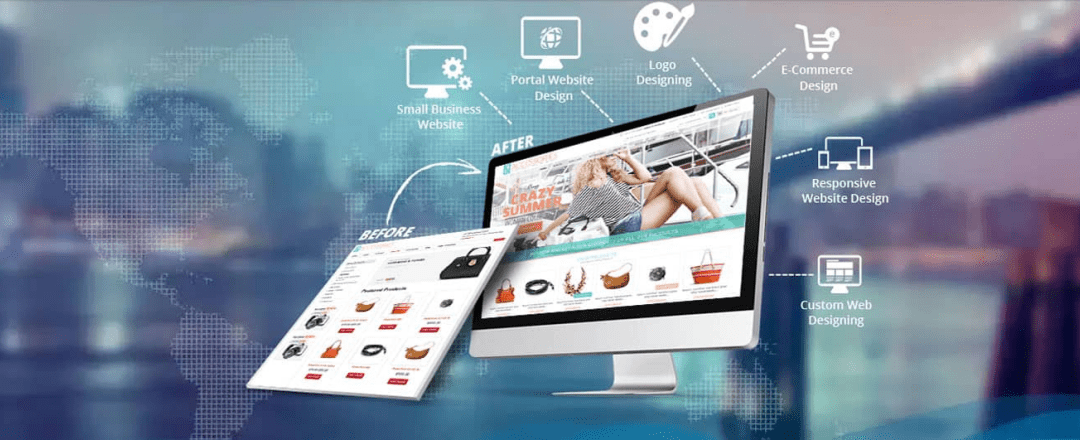
In the digital age, your website is more than just a virtual storefront; it's a gateway to your brand's success. To truly stand out in the crowded online space and capture the attention of your audience, you need more than a one-size-fits-all solution. Enter Guru Internet Services, your partner in unlocking the full potential of your online presence through tailor-made solutions designed to elevate your brand and drive results.
In conclusion, your website is a powerful tool that has the potential to drive significant value for your business. With custom solutions from Guru Internet Services, you can unlock that potential and take your online presence to new heights. From crafting a unique identity to enhancing user experience and optimizing performance, we're here to help you maximize the impact of your website and achieve your business goals. Ready to elevate your online presence? Get a quote today and unlock the full potential of your website!