
Congratulations on Taking the First Step
to More Digital Visibility!
Then next step is to schedule a Strategy session...

Search has changed dramatically, and content strategies that worked a few years ago are no longer enough. In 2026, SEO success depends on creating content that is genuinely useful, easy to understand, technically accessible, and aligned with how people search across traditional search engines, AI-powered results, voice assistants, and visual discovery tools.
Engaging content is not just about adding keywords or publishing more often. It is about building trust, answering real questions, supporting user intent, and giving readers a reason to stay, interact, and return. The strongest SEO content combines audience insight, clear structure, subject matter expertise, and measurable value.
Every strong SEO content strategy starts with understanding why someone is searching. Search intent explains the goal behind a query, whether the user wants to learn, compare, buy, solve a problem, or complete a specific task. When content matches that intent clearly, it is more likely to satisfy readers and perform well in search results.
In 2026, search intent is more layered than simple categories such as informational, commercial, navigational, and transactional. Many users expect a single piece of content to answer follow-up questions, provide context, summarize options, and help them decide what to do next. This means content should be designed around the complete journey, not just the first keyword that brings someone to the page.
Before writing, identify the specific questions, concerns, and motivations your audience has at each stage of their journey. A beginner may need definitions and examples, while a more informed reader may want comparisons, best practices, data, or implementation guidance. The more precisely your content reflects these needs, the more useful and engaging it becomes.
Useful content also anticipates what the reader may ask next. For example, a post about improving content engagement should not only explain what engagement means, but also discuss how to measure it, what affects it, and which mistakes reduce it. This approach helps create a more complete resource without relying on unnecessary repetition or keyword stuffing.
High-quality content in 2026 needs to be both comprehensive and easy to navigate. Readers should be able to quickly understand what a page covers, scan the most relevant sections, and then go deeper when they need more detail. Search systems also rely on clear structure to interpret the purpose, relevance, and quality of content.

A strong structure usually includes focused headings, concise paragraphs, logical section flow, and clear explanations. Instead of overwhelming readers with dense blocks of text, organize ideas into digestible sections that guide them through the topic. This improves readability, supports engagement, and helps users find value faster.
Headings should do more than divide a page visually. They should communicate the main idea of each section and help readers decide where to focus their attention. Descriptive headings also make content easier to scan, especially for users who arrive with a specific question in mind.
When planning headings, think about the natural order in which a reader would want to learn the subject. Start with foundational concepts, then move into strategy, execution, examples, and measurement. This creates a smoother learning experience and helps the content feel intentional rather than assembled from disconnected points.
As search systems become better at identifying generic content, originality is a major advantage. Content that simply repeats common advice is less likely to stand out, especially in competitive topics.
Trust is also central to SEO performance. Readers want to know why they should believe your content, who is behind it, and whether the guidance is current.
Before publishing, review what already exists for the topic and ask what your content can contribute that is genuinely helpful. This might include a clearer explanation, a more current perspective, a practical checklist, a comparison table, a real scenario, or specific steps based on experience.
For example, many articles explain that brands should create helpful content. A stronger article would show what helpful content looks like for a service business, an ecommerce store, a software company, and a local organization.

Expertise should be demonstrated throughout the content, not only stated in an author bio. Use precise language, mention common mistakes, explain tradeoffs, and clarify when advice depends on the situation.
For instance, instead of saying that long-form content always performs better, explain that content length should depend on search intent, topic complexity, and user expectations.
Effective SEO writing in 2026 balances natural language with search visibility. Keywords still matter because they help clarify topic relevance, but they should not dominate the page.
The best approach is to write in the language your audience actually uses. This includes primary keywords, related terms, common questions, and natural variations. A page about content engagement might mention dwell time, click-through rate, scroll depth, user experience, search intent, content quality, and conversion behavior where those ideas are relevant.
Keyword placement should support clarity. Include important terms in headings when they accurately describe the section, and use related phrases throughout the body where they fit naturally.
A useful test is to read the content aloud. If a sentence sounds unnatural, repetitive, or written only for search engines, revise it. Engaging content should feel helpful to a person first.
Many searches now happen through AI summaries, voice assistants, and conversational search interfaces. These experiences favor content that answers questions clearly and directly. When a section addresses a specific question, provide a concise answer early, then expand with context, examples, or steps.

For example, if a reader asks how often they should update SEO content, a strong answer might explain that important pages should be reviewed regularly based on traffic changes, ranking movement, industry updates, and content accuracy.
Engagement depends heavily on how easily readers can consume the content. Even valuable information can underperform if it is difficult to scan, visually overwhelming, or written in unnecessarily complex language.
Readable content uses short paragraphs, direct sentences, descriptive headings, and logical transitions. It avoids jargon unless the audience expects it, and it explains technical terms when needed.
Examples help readers connect strategy to action. Instead of saying that content should match user intent, show how the same topic can be approached differently depending on the intent.
Examples are also useful for explaining mistakes. If a page targets a commercial query but only provides a basic definition, it may fail because readers are looking for comparisons, pricing factors, pros and cons, or buying guidance.
Many readers scan before they commit to reading. Strong formatting helps them quickly determine whether the page is worth their time. Clear headings, concise paragraphs, and meaningful section openings allow readers to find relevant information without feeling lost.
Depth still matters, but it should be presented in a way that feels manageable. A complex topic can be broken into sections that each solve one part of the problem.

Search behavior is no longer limited to typing a query into a search engine. People discover information through AI assistants, video platforms, social search, visual search, voice commands, maps, forums, and product marketplaces.
This does not mean every article needs to become a video, podcast, infographic, and social post. It means the core content should be clear enough to be repurposed and structured enough to support different search experiences.
Voice and conversational search often use natural questions rather than short keyword phrases. Users may ask, “How do I create content that ranks in 2026?” or “What makes SEO content engaging?” Content that includes clear question-based sections and direct explanations is better suited to these search behaviors.
To support conversational discovery, write with clarity and context. Avoid relying on vague references such as “this” or “that” when a more specific phrase would help.
Visual search and interactive discovery are becoming more important, especially for ecommerce, design, travel, food, education, and how-to content. While the article body should remain useful on its own, consider where visual explanations, screenshots, charts, or process diagrams could strengthen the reader experience.
For example, a guide about content planning could be supported by a visual workflow showing research, intent mapping, drafting, optimization, publishing, and measurement. Even without adding visuals directly into every article, thinking visually can improve how you explain steps and relationships in the text.
One strong article can perform well, but long-term

SEO success usually comes from covering a topic with consistency, depth, and clear relationships between related pages. Strategic content clusters help demonstrate topical authority by addressing the main subject and its supporting subtopics in a connected way.
A content cluster typically includes a broad pillar page and several more focused supporting articles. For example, a pillar page about SEO content strategy could be supported by articles about keyword research, search intent, content briefs, on-page optimization, content updates, engagement metrics, and conversion-focused writing.
Keyword research is useful, but clusters should be organized around the problems your audience needs to solve. This helps prevent thin or repetitive content. Instead of creating separate articles for every minor keyword variation, group related ideas into useful resources that answer complete questions.
For example, several similar keywords about improving blog engagement may belong in one comprehensive guide, while distinct topics such as measuring engagement, improving introductions, and refreshing old content may deserve separate supporting pages.
Content clusters only remain effective if they are maintained. Outdated statistics, old screenshots, broken references, and inconsistent recommendations can weaken trust. Review important content regularly to make sure it reflects current best practices, product changes, industry shifts, and user expectations.
Consistency also matters across related pages. If one article recommends a specific process, supporting articles should align with that guidance rather than contradict it. A connected content ecosystem creates a better user experience and helps reinforce your authority on the topic.
Need help with Creating Engaging Content: Best Practices for SEO Success in 2026?

A brand’s reputation is shaped every day by search results, customer reviews, social media conversations, employee interactions, media coverage, and the way a business responds when things go wrong. In a market where buyers research before they contact sales, reputation is not a soft concept. It directly influences visibility, trust, conversion rates, hiring, partnerships, and long-term loyalty.
Effective reputation management requires more than reacting to negative comments. It is a disciplined, ongoing practice built on listening, consistency, transparency, and operational excellence. The best brands manage their image by aligning what they say with what they actually do, then making it easy for customers and stakeholders to see that alignment.
Trust has become one of the most valuable currencies in modern business. Customers can compare dozens of providers in minutes, read third-party reviews, watch product demonstrations, and evaluate how a company handles criticism before ever speaking to a representative. This means your public reputation often forms the first impression, even before your website, sales team, or advertising has a chance to influence the buyer.
A strong reputation reduces friction. Prospects spend less time worrying about risk, customers are more likely to forgive occasional mistakes, and partners feel more confident associating with your brand. On the other hand, a weak reputation increases acquisition costs because every marketing message must overcome doubt. Even generous discounts may not persuade people if they believe a company is unreliable, unresponsive, or careless.
Reputation also affects search performance. Review volume, sentiment, brand mentions, local listings, media coverage, and user engagement all contribute to how people discover and judge a business online. While reputation management is not the same as search engine optimization, the two are closely connected. A brand that earns positive mentions across trusted platforms creates stronger signals of relevance and credibility.

The most sustainable reputation strategy begins inside the organization. If the customer experience is inconsistent, no amount of public relations can create lasting trust. Reputation is ultimately the public reflection of internal habits, including how teams communicate, solve problems, handle mistakes, protect data, fulfill promises, and treat people.
Start by defining the brand standards that should guide every customer touchpoint. These standards should be specific enough to influence behavior. For example, “deliver excellent service” is too vague. A more useful standard might be, “respond to all customer support requests within one business day, provide clear next steps, and follow up until the issue is resolved.” Clear expectations make it easier to train teams, measure performance, and identify gaps before they become public complaints.
Employee experience also matters. Disengaged employees can unintentionally damage a brand through poor service, slow responses, or negative public commentary. Conversely, employees who feel respected and informed often become credible advocates. Internal communication, fair management practices, and proper training all contribute to a healthier public image.
You cannot manage what you do not monitor. Reputation management depends on systematic listening across the channels where customers, prospects, employees, journalists, and industry peers discuss your brand. These channels may include Google reviews, industry-specific review sites, social platforms, Reddit threads, YouTube comments, local directories, news articles, podcasts, forums, and employee review platforms.
Effective monitoring should capture more than star ratings. Look for recurring themes. Are customers praising speed, helpful staff, product quality, or transparency? Are they criticizing billing, delivery delays, poor communication, confusing policies, or unresolved support cases? Patterns reveal the operational issues behind reputation trends. A single negative review may be an outlier, but ten comments about the same issue signal a process problem.

Set up a regular review rhythm. Many businesses benefit from daily alerts for urgent mentions, weekly sentiment summaries, and monthly leadership reports that connect reputation trends to business outcomes. Use dashboards where possible, but do not rely only on automation. Human judgment is essential because sarcasm, context, and emotional nuance can be difficult for software to interpret accurately.
Review responses are public demonstrations of your brand values. A thoughtful response can reassure future customers, even when the original review is negative. The goal is not to win an argument. The goal is to show that your company listens, takes concerns seriously, and acts professionally under pressure.
For positive reviews, avoid generic replies like “Thanks for your feedback.” Mention something specific when possible. If a customer compliments a team member, service detail, or product feature, acknowledge it. This makes the response feel human and encourages future reviewers to leave richer feedback. Positive reviews are also an opportunity to reinforce the strengths you want associated with your brand.
For negative reviews, begin with empathy and accountability where appropriate. Do not disclose private customer details or argue point by point in public. A strong response might thank the reviewer, acknowledge the frustration, clarify the company’s intention, and invite the customer to continue the conversation through a private support channel. If your company made a mistake, say so plainly and explain what is being done to fix it.
Review platforms have rules that brands must follow. For example, businesses should understand Google review policies before requesting, responding to, or reporting reviews. Knowing the rules helps you avoid practices that can undermine trust, such as review gating, fake reviews, conflicts of interest, or incentives that are not properly disclosed.
Many businesses struggle with review generation because happy customers often stay quiet while frustrated customers are highly motivated to speak up. A proactive feedback program helps correct that imbalance. The key is to make it easy for real customers to share honest experiences without pressuring them, scripting them, or filtering out negative opinions.

Ask for reviews at natural moments in the customer journey. For a service business, this may be after a successful appointment or completed project. For an ecommerce brand, it may be after delivery and enough time for product use. For a software company, it may be after onboarding, a support success, or a major milestone. Timing matters because the customer’s experience should be fresh and complete.
Use simple, neutral language. Instead of saying, “Please leave us a five-star review,” ask, “Would you be willing to share your experience?” This invites honesty and reduces the risk of appearing manipulative. If you use email or SMS requests, keep them short, personalized, and easy to act on. Include direct links to relevant platforms, but avoid overwhelming customers with too many options.
Transparency is especially important if incentives, endorsements, testimonials, or influencer partnerships are involved. Brands should review the FTC endorsement guidelines to understand disclosure requirements and avoid misleading practices. Ethical feedback collection protects both the brand and the customer relationship.
Reputation is not shaped only by reviews. It is also shaped by the information people find when they search for your brand, leadership team, products, services, and industry expertise. High-quality content gives your brand more control over the conversation by answering questions, demonstrating competence, and providing useful context before prospects make decisions.
Educational content is particularly powerful. Publish guides, case studies, research summaries, comparison resources, customer success stories, expert interviews, and practical checklists. The goal is not to boast. The goal is to help your audience make smarter decisions. When your content is genuinely useful, it creates trust before a transaction takes place.

Thought leadership should be grounded in evidence and experience. Avoid vague claims like “we are the best” unless you can support them. Instead, explain your methods, share lessons learned, discuss industry trends, and address common mistakes. This type of content signals maturity and confidence. It also gives journalists, partners, and customers credible material to reference when discussing your brand.
Do not ignore branded search results. Audit what appears on the first page of search engines for your company name and related queries. Your website, social profiles, review pages, press mentions, and knowledge
panels, when present, should reinforce accurate, consistent, and current information. If outdated profiles, unanswered complaints, or thin content dominate those results, prospects may assume the brand is inattentive. Strengthen owned assets first, then support them with credible third-party visibility.
Every organization will eventually face a reputational challenge. It may be a delayed shipment, a poor service experience, a product defect, a data concern, an employee mistake, or a public misunderstanding. The difference between a temporary issue and a lasting crisis often comes down to preparation. Brands that respond quickly with facts and empathy usually recover faster than brands that appear defensive, silent, or confused.
Create a crisis response plan before you need one. Identify who monitors emerging issues, who approves public statements, who communicates with customers, and who speaks to the media. Draft response templates for common scenarios, but customize them when real situations occur. A useful plan should include escalation thresholds, documentation procedures, legal review guidelines, and a clear process for updating stakeholders as new facts become available.
Speed matters, but accuracy matters more. If you do not yet have all the details, acknowledge the concern and state that you are investigating. Avoid speculation, blame shifting, or promises you may not be able to keep. A calm, factual first response can prevent misinformation from spreading and show that the brand is taking the situation seriously.

Reputation management improves when it is measured consistently. Track review ratings, review volume, response time, sentiment trends, share of positive mentions, branded search visibility, customer satisfaction scores, support resolution time, referral rates, and repeat purchase behavior. No single metric tells the full story, but together they reveal whether trust is rising or eroding.
Qualitative insights are just as important as numbers. Read customer comments closely and categorize recurring themes. A dip in ratings may be less important than a pattern of complaints about the same operational failure.
A strong brand image is not created by a single campaign, a polished slogan, or a burst of positive reviews. It is built through repeated proof that the business is competent, honest, responsive, and customer focused.
Effective reputation management works best when it is woven into everyday operations. Monitor conversations, respond with care, ask for authentic feedback, publish helpful content, prepare for crises, and measure what matters.
Need help with Effective Reputation Management: Best Practices to Boost Your Brand’s Image?

In today’s digital landscape, content marketing has emerged as a pivotal strategy to boost search engine optimization (SEO) efforts. As businesses increasingly compete for online visibility, understanding how to leverage content marketing effectively can significantly enhance SEO results. This comprehensive guide will explore the intricate relationship between content marketing and SEO, offering insights and strategies to maximize your digital presence.
Content marketing is not just about creating content; it’s about crafting informative, engaging, and purposeful material that resonates with your audience. When executed correctly, content marketing can drive organic traffic, improve search engine rankings, and establish your brand as an industry authority.
At its core, content marketing and SEO are intrinsically linked. Search engines strive to deliver the most relevant and valuable content to users, which is exactly what content marketing aims to provide. The synergy between these two practices creates a powerful opportunity for businesses to enhance their digital presence.
SEO focuses on optimizing your website to appear higher in search engine results pages (SERPs). Content marketing, in turn, provides the material that search engines index and rank. By understanding this relationship, you can create content that not only appeals to your audience but also aligns with search engine algorithms.
One of the fundamental ways content marketing supports SEO is through the creation of high-quality, keyword-rich content. By conducting thorough keyword research, you can identify the terms and phrases that potential customers are searching for. Integrating these keywords naturally into your content can improve your site’s visibility for relevant searches.
To effectively leverage content marketing for SEO, it’s crucial to focus on creating high-quality content that satisfies both user intent and search engine criteria. Quality content is informative, engaging, and provides value to readers, encouraging them to spend more time on your site and explore further.

Begin by understanding your target audience and their needs. Develop content that addresses their pain points, answers their questions, and offers solutions. This approach not only builds trust and authority but also enhances the likelihood of your content being shared and linked to by others.
While keyword integration is essential, it’s important to avoid keyword stuffing, which can lead to penalties from search engines. Instead, focus on using keywords naturally within your content, ensuring they fit seamlessly into the narrative. Consider using variations and long-tail keywords to capture a broader range of search queries.
Additionally, optimize other elements of your content, such as meta titles, descriptions, and header tags. These elements help search engines understand the context and relevance of your content, potentially improving its ranking on SERPs.
Content variety is another critical aspect of leveraging content marketing for enhanced SEO results. Different types of content appeal to different segments of your audience and can improve your site’s overall SEO performance. By diversifying your content strategy, you can reach a wider audience and provide multiple entry points for users to engage with your brand.
Blog posts and articles are foundational elements of any content marketing strategy. They provide an opportunity to delve into topics in depth, share insights, and establish thought leadership. Regularly publishing blog content can increase the frequency of indexing by search engines, which can positively impact your rankings.
Infographics and other forms of visual content are highly shareable and can attract backlinks from other websites. They simplify complex information, making it accessible and engaging for users. As visual content often garners more social shares, it can indirectly boost your SEO by increasing your content’s reach and visibility.

Video content is becoming increasingly popular and influential in content marketing. Platforms like YouTube are often used as search engines themselves, providing another avenue for your content to be discovered. Videos can engage users in ways that text alone cannot, increasing time spent on your site and enhancing user experience metrics that search engines consider.
Backlinks, or inbound links, are a crucial component of SEO. They signal to search engines that your content is authoritative and trustworthy. Content marketing plays a vital role in generating backlinks by creating valuable and shareable content that other websites want to reference.
One effective strategy is to produce data-driven content or original research that provides new insights or statistics relevant to your industry. This type of content is more likely to be cited by other sites, thereby earning backlinks naturally.
Guest blogging is another powerful content marketing tactic for acquiring backlinks. By contributing high-quality articles to reputable sites within your industry, you can reach new audiences and establish authority. Most importantly, guest posts often include a link back to your website, enhancing your backlink profile.
When pursuing guest blogging opportunities, focus on quality over quantity. Target reputable sites with high domain authority and ensure that your contributions are of exceptional quality, offering genuine value to the host site’s audience.

User experience (UX) is a significant factor in SEO, and content marketing can play a pivotal role in enhancing UX. Search engines prioritize websites that offer a positive user experience, which can be achieved by creating content that is easy to read, navigate, and interact with.
Ensure that your content is well-structured, with clear headings, bullet points, and concise paragraphs that make it easy for users to scan and find information quickly. Consider the mobile-friendliness of your content, as a significant portion of web traffic now comes from mobile devices.
Interactive content, such as quizzes, polls, and surveys, can further enhance user experience by encouraging engagement. This type of content not only keeps users on your site longer but also provides insights into user preferences and behaviors that can inform future content strategies.
To ensure your content marketing efforts are contributing to enhanced SEO results, it’s essential to measure and analyze their impact. Utilize tools like Google Analytics and Google Search Console to track key metrics such as organic traffic, bounce rates, and conversion rates.
Monitor rankings for target keywords and assess how different types of content perform in terms of engagement and shareability. Use these insights to refine your content strategy, focusing on what works best for your audience and SEO objectives.
SEO and content marketing are not one-time efforts but ongoing processes that require continuous improvement. Stay updated with the latest trends and algorithm changes to ensure your strategies remain effective. Regularly review and update your content to keep it relevant and aligned with current user interests and search engine guidelines.

Leveraging content marketing for enhanced SEO results requires a strategic approach that focuses on creating high-quality, valuable content that meets the needs of both users and search engines. By understanding the synergy between content marketing and SEO, diversifying your content types, and actively building backlinks, you can significantly improve your online visibility and search engine rankings.
As the digital landscape continues to evolve, businesses must adapt their content marketing strategies to maintain a competitive edge. By prioritizing user experience, continuously measuring impact, and staying informed of industry developments, you can harness the full potential of content marketing to achieve your SEO goals.
Search engine algorithms are constantly evolving, and staying ahead of these changes is crucial for maintaining SEO success. Content marketers must be vigilant and adaptable, ensuring that their strategies align with the latest best practices and guidelines set forth by search engines like Google.
Keeping pace with algorithm updates involves continuous learning and flexibility. Regularly consult authoritative sources and industry experts to stay informed about changes that could impact your SEO strategy. For instance, Google occasionally releases core updates that can significantly alter how content is ranked. Understanding the intent behind these updates allows you to adjust your content marketing efforts accordingly.
In recent years, Google has placed increased emphasis on E-A-T (Expertise, Authoritativeness, Trustworthiness). Prioritizing these principles in your content can help safeguard against negative impacts from algorithm updates. Ensure that your content reflects your expertise and is backed by credible sources. Highlight your authority in your field with well-researched, accurate, and insightful content.
Building trust with your audience is equally important. Transparency, honesty, and a user-first approach foster trust and can positively influence your content’s performance in search results. Regularly audit your content to ensure it meets these standards and remains competitive in the evolving digital landscape.

Social media platforms offer powerful opportunities for amplifying your content and driving traffic back to your website. While social signals are not direct ranking factors, they can indirectly influence SEO by increasing content visibility and encouraging backlinks.
Share your content across relevant social media channels to reach a wider audience and generate engagement. Tailor your messaging to resonate with each platform’s unique audience, and encourage sharing by creating compelling, shareable content that prompts interaction.
Partnering with influencers and brand advocates can further amplify your content’s reach. Influencers with established followings can introduce your content to new audiences, increasing its visibility and potential for backlink acquisition. Select collaborators whose values align with your brand and who can authentically promote your content to their audiences.
Encouraging your existing customers and brand advocates to share your content can also expand its reach. Foster a community around your brand and create engaging content that your audience is excited to share, enhancing both your content marketing and SEO efforts.
Leveraging content marketing to enhance SEO results is a multifaceted endeavor that requires a strategic approach and a commitment to continuous improvement. By understanding the intricate relationship between content marketing and SEO, embracing algorithm changes, utilizing social media, and prioritizing E-A-T principles, you can create a robust content strategy that drives sustainable organic growth.
Ultimately, the success of your content marketing efforts hinges on your ability to create valuable, engaging content that resonates with your audience and aligns with search engine criteria. By remaining adaptable and informed, you can navigate the ever-changing digital landscape and achieve your SEO goals.
Need help with How to Leverage Content Marketing for Enhanced SEO Results?

In the ever-evolving digital landscape, maintaining the security of your WordPress website is paramount. As one of the most popular content management systems, WordPress is a prime target for cyber threats. Whether you run a personal blog or a business website, securing your WordPress site should be a top priority. Among the various strategies to enhance security, opting for dedicated hosting on LiteSpeed servers stands out as a robust solution.
Dedicated hosting offers a range of benefits, from improved performance to enhanced security measures. When combined with LiteSpeed servers, which are known for their speed and efficiency, you can significantly bolster your website’s defenses. This blog post delves into the intricacies of securing your WordPress website through dedicated hosting on LiteSpeed servers, offering insights into why this combination is a game-changer for website security.
Website security is crucial for protecting sensitive data, maintaining customer trust, and ensuring that your online presence remains uninterrupted. Cyber threats are increasing in both frequency and sophistication, making it essential to adopt proactive security measures. A compromised website can lead to data breaches, financial losses, and damage to your reputation.
WordPress, despite its popularity and functionality, is not immune to these threats. Vulnerabilities can arise from outdated plugins, themes, or the core software itself. Therefore, implementing a comprehensive security strategy is vital. This is where dedicated hosting on LiteSpeed servers can make a difference, providing an additional layer of protection against potential threats.
Dedicated hosting refers to a type of web hosting where a client leases an entire server exclusively for their use. This contrasts with shared hosting, where multiple websites share the same server resources. Dedicated hosting offers numerous benefits, including increased reliability, enhanced performance, and greater control over server configuration.
With dedicated hosting, you can customize server settings to meet your specific needs, install advanced security measures, and ensure that your website operates at peak efficiency. This level of control is particularly beneficial for high-traffic websites or those handling sensitive data, as it allows for tailored security solutions that shared hosting simply cannot provide.

One of the primary advantages of dedicated hosting is the availability of enhanced server resources. By having an entire server at your disposal, you can allocate resources as needed, ensuring optimal performance during peak traffic periods. This is especially important for e-commerce websites or sites with large databases, where performance can directly impact user experience and conversion rates.
Dedicated hosting allows for the implementation of advanced security measures that are difficult to achieve with shared hosting. You can configure firewalls, install intrusion detection systems, and utilize SSL certificates to encrypt data transmissions. These measures collectively help protect your website from unauthorized access, data breaches, and other cyber threats.
LiteSpeed servers offer a unique combination of speed and security, making them an ideal choice for hosting WordPress websites. As a leading web server software, LiteSpeed is renowned for its high performance, efficient resource management, and robust security features.
The architecture of LiteSpeed servers is designed to handle high traffic volumes without compromising on speed or security. This is achieved through advanced caching mechanisms, HTTP/3 support, and built-in DDoS protection, all of which contribute to a secure and efficient hosting environment.

LiteSpeed servers come equipped with advanced caching capabilities that significantly enhance website performance. The LiteSpeed Cache plugin for WordPress is a powerful tool that optimizes page load times, reduces server load, and improves overall website speed. Faster page loads not only enhance user experience but also contribute to better search engine rankings, making caching an essential component of any security strategy.
Security is a core aspect of LiteSpeed servers. They offer built-in protection against common cyber threats, such as DDoS attacks and SQL injection. By leveraging these security features, you can safeguard your WordPress website from malicious activities that could compromise your data or disrupt your online presence.
When dedicated hosting is paired with LiteSpeed servers, the result is a hosting environment that excels in both performance and security. This combination provides the flexibility and control needed to implement comprehensive security measures while ensuring your website operates at peak performance.
With dedicated hosting, you have the freedom to configure server settings and install security software that meets your specific needs. LiteSpeed’s robust features complement this by providing an additional layer of security through its advanced server architecture and built-in protections. Together, they create a hosting solution that addresses the unique security challenges faced by WordPress websites.
Consider an e-commerce website that handles thousands of transactions daily. The need for a secure and reliable hosting solution is paramount to protect customer data and ensure a seamless shopping experience. By opting for dedicated hosting on LiteSpeed servers, the website can benefit from enhanced server resources, advanced caching, and robust security measures.
This setup allows for the implementation of SSL certificates, secure payment gateways, and real-time monitoring tools, all of which contribute to a secure online shopping environment. The result is a secure, fast, and reliable e-commerce platform that instills confidence in customers and drives business growth.

Securing your WordPress website is an ongoing process that requires a combination of best practices and advanced technologies. Dedicated hosting on LiteSpeed servers offers a comprehensive solution that addresses both performance and security concerns. By investing in this hosting setup, you can protect your website from cyber threats, enhance user experience, and improve your search engine rankings.
In an era where online security is more important than ever, choosing the right hosting solution is a critical decision. With the powerful combination of dedicated hosting and LiteSpeed servers, you can ensure that your WordPress website remains secure, reliable, and ready to meet the demands of the digital world.
To learn more about how to secure a WordPress site, or explore what caching is, consider visiting these authoritative resources. Additionally, understanding the importance of SSL certificates and web performance fundamentals can provide further insights into optimizing your website’s security and speed. Lastly, familiarize yourself with website security best practices to stay ahead of potential threats and vulnerabilities.
In addition to security and performance improvements, utilizing LiteSpeed servers can also enhance your website’s search engine optimization (SEO). Search engines prioritize sites that load quickly and offer a seamless user experience. By reducing page load times and improving server response times, LiteSpeed servers can contribute to better SEO rankings for your WordPress website.
LiteSpeed’s advanced caching mechanisms play a crucial role in this process. By efficiently managing static and dynamic content, LiteSpeed ensures that your website delivers content swiftly to users, thereby reducing bounce rates and increasing engagement. These factors are critical in the eyes of search engines like Google, which use them as indicators of a site’s relevance and quality.
Another SEO advantage of using LiteSpeed servers is the seamless integration of HTTPS protocols. Google’s algorithms favor websites that provide a secure browsing experience, and having an HTTPS-enabled site is now a ranking factor. LiteSpeed supports easy deployment of SSL certificates, ensuring that your WordPress website meets these security and SEO requirements.

In addition to the SEO benefits, HTTPS also fosters trust among your visitors, signaling that their data is protected. This is particularly important for websites that handle sensitive information, such as e-commerce platforms and membership sites.
While dedicated hosting on LiteSpeed servers provides a strong foundation for security, it is imperative to complement this with regular updates and maintenance. WordPress, along with its themes and plugins, frequently releases updates that address security vulnerabilities and enhance functionality. Staying up-to-date with these releases is essential to maintaining a secure website.
Moreover, implementing a routine maintenance plan can help identify potential security threats and address them before they escalate. This includes regular backups, security audits, and monitoring user activities. By maintaining diligence in these areas, you can ensure that your WordPress website remains secure and resilient against emerging cyber threats.
Automated backups are an integral component of any robust security strategy. In the event of a security breach or data loss, having a recent backup ensures that you can quickly restore your website to its previous state, minimizing downtime and data loss. LiteSpeed servers often support automated backup solutions, offering peace of mind and added security.
Additionally, having a recovery plan in place is crucial. This involves defining clear procedures for restoring your website and mitigating damage in case of an incident. Regularly testing your backup and recovery processes ensures that you are prepared to handle any unexpected challenges effectively.

When opting for dedicated hosting on LiteSpeed servers, you often gain access to expert support and resources. Hosting providers specializing in LiteSpeed can offer guidance on optimizing your server settings, implementing security measures, and troubleshooting issues. This support is invaluable for website owners who may not have extensive technical expertise.
Furthermore, many hosting providers offer comprehensive documentation and tutorials, helping you navigate the complexities of server management and website security. By leveraging these resources, you can enhance your understanding of best practices and make informed decisions that contribute to your website’s success.
Lastly, engaging with the broader WordPress and LiteSpeed communities can provide additional insights and support. Online forums, user groups, and industry events offer opportunities to connect with other website owners, developers, and experts. Sharing experiences and learning from others can help you stay informed about the latest security trends and strategies.
By actively participating in these communities, you can build a network of resources and contacts that enrich your knowledge and empower you to make the most of your dedicated hosting and LiteSpeed server setup.
Securing your WordPress website is a multifaceted endeavor that demands a proactive approach. By investing in dedicated hosting on LiteSpeed servers, you create a robust foundation that enhances performance, security, and SEO. Coupled with regular updates, maintenance, and expert support, this hosting solution equips you to face the challenges of the digital world with confidence.
As cyber threats continue to evolve, staying informed and vigilant is key to safeguarding your online presence. By prioritizing security and leveraging the power of LiteSpeed servers, you can ensure that your WordPress website remains a secure, reliable, and successful platform for your content and business endeavors.
Need help with Securing Your WordPress Website: The Benefits of Dedicated Hosting on LiteSpeed Servers?

In the rapidly evolving world of online shopping, WooCommerce has emerged as a preferred choice for many e-commerce entrepreneurs. This powerful plugin for WordPress offers a flexible, customizable, and scalable solution for businesses of all sizes. Whether you’re launching a new store or looking to enhance an existing one, understanding the intricacies of WooCommerce is crucial.
WooCommerce’s popularity stems from its open-source nature, allowing businesses to tailor their stores to meet unique needs. By leveraging the vast array of plugins and themes available, store owners can create a personalized shopping experience that delights customers and drives sales. However, to truly harness the potential of WooCommerce, one must dive deeper into its features and optimization techniques.
Launching a WooCommerce store requires careful planning and execution. First and foremost, selecting the right hosting provider is critical. A reliable host ensures your website remains fast and responsive, which is essential for both user experience and search engine rankings. Look for hosting options that offer WooCommerce-specific features, such as built-in caching and automatic updates.
Once your hosting is sorted, focus on choosing a theme that aligns with your brand and offers a seamless user experience. Themes like Storefront, Flatsome, and Astra are popular choices due to their compatibility with WooCommerce and customization capabilities. Ensure the theme you select is mobile-friendly, as an increasing number of shoppers use their smartphones for online purchases.
Another key aspect is setting up essential plugins that enhance functionality. From payment gateways to shipping solutions, WooCommerce offers a wide range of plugins to cater to your store’s needs. Carefully assess the plugins to ensure they align with your business goals and provide a seamless shopping experience.
The product page is where the magic happens. It’s crucial to optimize this page to convert visitors into buyers. Start with high-quality product images that showcase your items from multiple angles. Use zoom features to allow customers to inspect details closely, enhancing their confidence in the purchase.

Product descriptions should be detailed and engaging, highlighting the unique selling points and benefits. Incorporate keywords naturally to improve search visibility and cater to the needs of both customers and search engines. Additionally, enable customer reviews, as they build trust and can significantly influence purchasing decisions.
Search engine optimization is a vital component of e-commerce success. With WooCommerce, there are several strategies you can employ to boost your store’s visibility. Start by optimizing your product titles and descriptions with relevant keywords. Use structured data markup to help search engines understand your content better, improving your chances of appearing in rich snippets.
Another effective strategy is to focus on creating high-quality, unique content. Blog posts, buying guides, and video tutorials not only provide value to customers but also increase your chances of ranking higher in search results. Regularly update your content to keep it fresh and relevant, encouraging both search engines and customers to visit your site frequently.
Technical SEO aspects should not be overlooked. Ensure your site is fast-loading, as page speed is a critical ranking factor. Utilize tools like PageSpeed Insights to identify and rectify any speed issues. Implementing an SSL certificate is also essential, as it secures customer data and builds trust, which can positively impact your search rankings.
In a digital marketplace, trust is paramount. Integrating social proof elements into your WooCommerce store can significantly enhance credibility and encourage conversions. Display customer testimonials prominently on your homepage and product pages. Positive reviews and ratings serve as powerful endorsements that influence potential buyers.
Another effective tactic is to showcase trust badges and certifications, such as secure payment icons and affiliations with reputable organizations. These elements reassure customers of your store’s legitimacy and security, making them more likely to complete a purchase.

Personalization is a game-changer in e-commerce. By tailoring the shopping experience to individual preferences, you can increase engagement and foster customer loyalty. WooCommerce offers various plugins and tools to help you implement personalized recommendations, dynamic pricing, and targeted email marketing campaigns.
Use data analytics to understand customer behavior and preferences. Segment your audience based on purchase history, browsing patterns, and demographics to deliver personalized content and offers. For example, sending personalized follow-up emails with product recommendations can significantly boost repeat sales and customer retention.
Marketing plays a crucial role in driving traffic and generating sales for your WooCommerce store. Social media marketing, email campaigns, and influencer collaborations are just a few strategies to consider. Leverage platforms like Facebook and Instagram to reach a broader audience and engage with potential customers through eye-catching visuals and compelling content.
Email marketing remains a powerful tool for nurturing leads and encouraging repeat purchases. Segment your email list and send targeted campaigns based on customer preferences and behavior. Automated emails, such as abandoned cart reminders and post-purchase follow-ups, can significantly enhance your marketing efforts and increase conversion rates.
Achieving e-commerce success with WooCommerce requires a strategic approach and a deep understanding of the platform’s capabilities. From setting up a visually appealing and functional store to implementing effective SEO and marketing strategies, each step plays a crucial role in driving sales and building a loyal customer base.
By continuously optimizing your WooCommerce store and staying updated with the latest trends and technologies, you can stay ahead of the competition and unlock the full potential of your e-commerce venture. Whether you’re a seasoned entrepreneur or a newcomer to the online retail space, embracing these best practices will pave the way for long-term success.

One of the most significant advantages of WooCommerce is its compatibility with a wide range of third-party tools and services. These integrations can greatly enhance your store’s functionality and streamline operations. For instance, integrating a customer relationship management (CRM) system can help you manage customer data more efficiently, allowing for better-targeted marketing efforts and improved customer service.
Consider incorporating analytics tools like Google Analytics and Hotjar to gain deeper insights into customer behavior and website performance. These tools can help identify bottlenecks in the shopping process, optimize conversion rates, and enhance the overall user experience. Additionally, integrating inventory management software ensures your stock levels are always up-to-date, preventing overselling and improving order fulfillment efficiency.
WooCommerce offers an extensive library of extensions that cater to a variety of business needs. From advanced reporting tools to subscription management and loyalty programs, these extensions allow you to customize your store to suit your specific requirements. For instance, the WooCommerce Subscriptions extension is perfect for businesses offering monthly or annual service plans.
Another powerful extension is WooCommerce Bookings, which enables businesses to offer appointments and reservations directly through their site. This is particularly beneficial for service-based businesses like salons, consultants, or rental services. By selecting the right extensions, you can provide a more comprehensive and engaging shopping experience, ultimately driving customer satisfaction and loyalty.
Security is a paramount concern for any e-commerce business. With the increase in cyber threats, it’s crucial to implement robust security measures to protect your WooCommerce store and customer data. Start by ensuring your site is hosted on a secure server and regularly updated to the latest WordPress and WooCommerce versions.
Utilize security plugins like Wordfence or Sucuri to actively monitor and protect your store from potential threats. These plugins offer features such as firewall protection, malware scanning, and login security. Additionally, encourage strong password policies for both customers and staff, and consider implementing two-factor authentication for added protection.

Regularly back up your website data using tools like UpdraftPlus or BackupBuddy. In the event of a security breach or data loss, having recent backups can significantly reduce downtime and recovery efforts. By prioritizing security, you not only protect your store but also build trust with your customers, reassuring them that their information is safe.
The e-commerce landscape is constantly evolving, with new technologies and consumer trends emerging regularly. To remain competitive, it’s essential to stay informed and adapt to these changes. One way to do this is by keeping an eye on industry news and updates from trusted sources such as e-commerce blogs and industry reports.
Consider experimenting with the latest technologies, such as augmented reality or voice search, to enhance the shopping experience. Additionally, embrace the growing trend of social commerce by integrating your WooCommerce store with social media platforms, allowing customers to shop directly from your social channels.
Regularly seek feedback from your customers to understand their needs and preferences better. Use this information to refine your product offerings, improve customer service, and innovate your marketing strategies. By staying agile and responsive to market trends, you position your store for sustained growth and success.
Exceptional customer support is a cornerstone of any successful e-commerce business. Providing timely and effective assistance can significantly enhance the shopping experience, leading to increased customer satisfaction and loyalty. Implementing a robust support system within your WooCommerce store is crucial.
Consider integrating live chat support to provide customers with immediate assistance during their shopping journey. Tools like LiveChat or Tidio can be seamlessly added to your WooCommerce store, offering real-time communication that resolves queries and issues quickly. Additionally, ensure your contact information is easily accessible, and provide multiple support channels, such as email and phone support.

Invest in creating a comprehensive FAQ section on your website, addressing common customer queries and concerns. This not only reduces the volume of support requests but also empowers customers to find solutions independently. By prioritizing customer support, you not only enhance the shopping experience but also build a strong reputation that fosters trust and loyalty.
As your WooCommerce store gains traction, scaling becomes a priority. Expanding your product line, entering new markets, or increasing marketing efforts are just a few strategies to consider. Conduct thorough market research to identify opportunities for growth and assess the feasibility of expanding your business operations.
Consider leveraging automation tools to streamline processes and improve efficiency. From automated email marketing campaigns to inventory management, automation can free up valuable time and resources, allowing you to focus on strategic growth initiatives. Additionally, explore partnerships or collaborations with complementary businesses to reach new audiences and diversify your customer base.
Finally, continuously analyze your store’s performance metrics to identify areas for improvement. Use data-driven insights to optimize your marketing strategies, product offerings, and customer experience. By adopting a proactive approach to scaling, you position your WooCommerce store for long-term success and sustainability.
WooCommerce offers a dynamic and versatile platform for building and growing a successful e-commerce business. By understanding its features, optimizing your store, and staying informed about industry trends, you can create a shopping experience that delights customers and drives sales.
As you embark on your e-commerce journey with WooCommerce, remember that success is not a destination but an ongoing process. Continuously refine your strategies, embrace innovation, and prioritize customer satisfaction to unlock the full potential of your online store. With dedication and the right approach, WooCommerce can be the key to achieving e-commerce success and realizing your business goals.
Need help with Achieving E-commerce Success with WooCommerce: Secrets Revealed by Guru Internet Services?
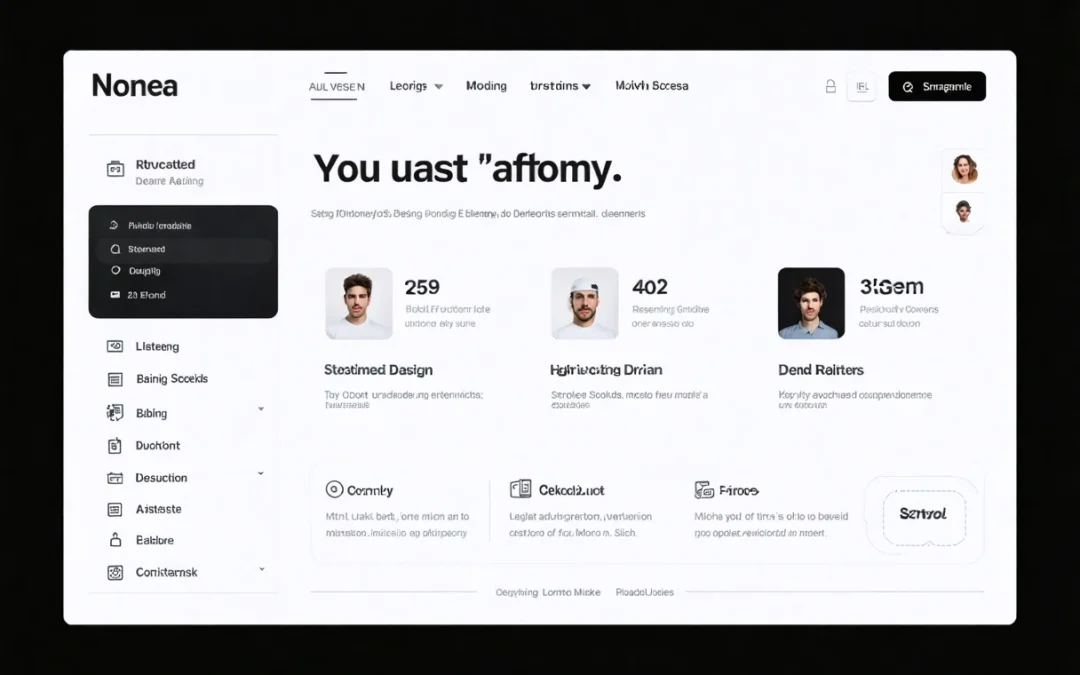
In the digital age, the role of website design has transcended mere aesthetics. While an appealing design remains critical for capturing user interest, its strategic importance in search engine optimization (SEO) and lead generation cannot be overstated. An effective website design is a powerful tool that enhances usability, improves search engine rankings, and boosts lead generation. This post delves into the strategic significance of website design beyond aesthetics, focusing on its impact on SEO and its role in generating leads.
Website design and SEO are intrinsically linked. A well-designed website not only enhances user experience but also aligns with the technical requirements of search engines. Key design elements such as site architecture, mobile responsiveness, and loading speed play critical roles in how search engines rank a website. Search engines like Google prioritize sites that offer seamless user experiences, making it crucial for designers to integrate SEO principles right from the design phase.
For instance, a clean and intuitive site architecture allows search engines to crawl and index pages effectively, improving visibility in search results. Furthermore, the use of structured data and schema markup enhances the way search engines interpret the content, potentially leading to better ranking positions.
In today’s mobile-first world, responsive design is not just an option but a necessity. Google’s mobile-first indexing means that the search engine primarily uses the mobile version of a site’s content for indexing and ranking. A responsive design ensures that a website provides a consistent user experience across all devices, which is critical for maintaining and improving search rankings. Websites that are not mobile-friendly risk losing visibility in search engine results pages (SERPs), directly impacting traffic and lead generation.
Implementing a responsive design involves flexible layouts, fluid grids, and media queries that adjust the website’s appearance based on the user’s device. This approach not only enhances user experience but also reduces bounce rates, a factor that search engines consider when ranking websites.

Website loading speed is another crucial factor influencing SEO. Slow-loading websites frustrate users and lead to high bounce rates, which negatively affects search rankings. According to Google, page speed is a ranking factor for both desktop and mobile searches, highlighting the importance of optimizing every element of a website to ensure fast load times.
Optimizing images, leveraging browser caching, and minimizing JavaScript are some strategies to enhance loading speed. Moreover, using a content delivery network (CDN) can significantly improve load times by reducing latency through geographically distributed servers.
Beyond enhancing SEO, an effective website design plays a pivotal role in lead generation. A strategically designed website guides visitors through a seamless journey, encouraging them to take desired actions such as signing up for newsletters, downloading resources, or making purchases. Each of these actions is a potential lead that can be nurtured into a customer.
The design elements that contribute to lead generation include compelling calls-to-action (CTAs), simplified navigation, and strategically placed forms. By understanding the user journey and designing each page with a clear purpose, businesses can increase conversions and generate more leads.
The call-to-action is a critical component of lead generation. Effective CTAs are visually distinct and clearly communicate the action you want the user to take. They are strategically placed where users are most likely to engage with them, such as at the end of informative sections or near relevant content. Using action-oriented language and creating a sense of urgency can further enhance the effectiveness of CTAs.
Moreover, personalizing CTAs based on user behavior can significantly improve conversion rates. For example, dynamic CTAs that change based on user interactions can provide a more personalized experience, increasing the likelihood of engagement.

A user-centric website design focuses on the needs and behaviors of the target audience. By prioritizing ease of use and intuitive navigation, businesses can create a more engaging experience that encourages users to explore and interact with the site. This approach not only improves lead generation but also builds trust and credibility with the audience.
Utilizing usability testing during the design process can provide valuable insights into user behavior, helping designers create interfaces that meet the needs of the target audience. By continuously refining the design based on user feedback, businesses can enhance engagement and improve lead generation outcomes.
Content and design are two sides of the same coin when it comes to effective website strategy. While design grabs attention and aids navigation, content provides the value that keeps users engaged. The synergy between content and design is crucial for both SEO and lead generation, as it ensures that users find what they are looking for quickly and easily.
Design elements such as typography, color schemes, and layout should complement the content, enhancing readability and engagement. Additionally, using visual elements like images, videos, and infographics can make content more digestible and appealing, catering to different user preferences and learning styles.
Integrating SEO-optimized content into the design involves using relevant keywords naturally within the text, optimizing meta tags, and ensuring that content is structured with appropriate headings and subheadings. This not only improves search engine visibility but also enhances user experience by providing clear and informative content.
Furthermore, internal linking within the content helps users navigate related topics on the site, increasing time spent on the site and reducing bounce rates. This practice not only aids in SEO but also enhances the overall user experience, contributing to better lead generation.

Visual storytelling is a powerful tool in website design that enhances user engagement and interaction. By using visuals to convey stories and messages, businesses can connect with their audience on an emotional level, making the content more memorable and impactful. Infographics, videos, and interactive elements can transform complex information into easily digestible formats, capturing the user’s attention and encouraging further exploration.
Ensuring that these visual elements are optimized for search engines is critical. This involves using descriptive alt texts for images, optimizing video content for faster loading, and ensuring that interactive elements are accessible on all devices.
The strategic role of website design in SEO and lead generation extends far beyond aesthetics. A well-designed website is an integral part of a comprehensive digital strategy, enhancing user experience, improving search engine visibility, and driving lead generation efforts. By focusing on responsive design, optimizing loading speeds, crafting effective calls-to-action, and integrating content seamlessly, businesses can create a website that not only attracts visitors but also converts them into loyal customers.
Ultimately, the synergy between design, SEO, and content is the key to developing a website that not only looks great but also performs exceptionally well in meeting business objectives. By leveraging the strategic aspects of website design, businesses can achieve a competitive edge in the digital landscape, driving growth and success.
One critical aspect of a strategic website design is the integration of analytics tools. These tools provide valuable insights into user behavior, helping businesses understand how visitors interact with their site. By analyzing metrics such as bounce rate, average session duration, and conversion rates, businesses can identify areas for improvement and make data-driven decisions to enhance both SEO and lead generation strategies.
Implementing tools like Google Analytics can provide a wealth of information about user demographics, preferred content, and the effectiveness of marketing campaigns. With this data, web designers and marketers can refine their strategies, ensuring that the website not only attracts visitors but also engages and converts them effectively.

A/B testing is a powerful method for optimizing website design and functionality. By creating two versions of a webpage and testing them with different segments of the audience, businesses can determine which version performs better in terms of user engagement and conversion. This iterative approach to design allows for continual improvement based on actual user feedback.
Elements that can be tested include headlines, CTAs, layout structures, and even color schemes. The insights gained from A/B testing can lead to significant improvements in user experience and conversion rates, making it an essential part of any comprehensive web design strategy.
Accessibility is an often overlooked yet crucial component of website design. An accessible website ensures that all users, including those with disabilities, can navigate and interact with the site effectively. This not only broadens the potential audience but also aligns with legal requirements and ethical standards.
Designing for accessibility involves using alt texts for images, ensuring keyboard navigability, and providing adequate color contrast. By prioritizing accessibility, businesses can enhance their reputation, reach a wider audience, and improve overall user experience, ultimately contributing to better SEO performance and lead generation outcomes.
Accessibility and SEO are closely related, as many accessibility features can also improve search engine rankings. For instance, using descriptive alt texts helps search engines understand the content of images, improving their visibility in image search results. Additionally, a well-structured and accessible website is easier for search engines to crawl and index, which can positively impact rankings.

By making a site accessible, businesses not only adhere to legal standards but also create a more inclusive digital environment that caters to a diverse audience, enhancing both user satisfaction and search engine performance.
The landscape of website design is constantly evolving, with emerging technologies and trends shaping how websites are created and optimized. Staying ahead of these trends is crucial for maintaining a competitive edge in SEO and lead generation.
One significant trend is the increasing use of artificial intelligence (AI) and machine learning in web design. These technologies can automate tasks such as personalized content delivery and real-time data analysis, enhancing user experience and engagement. Additionally, AI-powered chatbots are becoming more prevalent, providing instant customer support and improving user interaction on websites.
Another emerging trend is the rise of voice search, driven by the increasing popularity of smart speakers and voice-activated devices. Optimizing for voice search requires a focus on natural language processing and conversational keywords, influencing both content and design strategies.
As voice search continues to grow, businesses must adapt their website design and content to meet the needs of voice search users, ensuring that their sites remain relevant and accessible in a rapidly changing digital landscape.
In conclusion, the strategic role of website design in SEO and lead generation is multifaceted and dynamic. By integrating analytics, embracing accessibility, and staying ahead of emerging trends, businesses can create powerful websites that not only attract but also engage and convert their target audience.
Need help with Beyond Aesthetics: The Strategic Role of Website Design in SEO and Lead Generation?