Congratulations on Taking the First Step
to More Digital Visibility!
Then next step is to schedule a Strategy session...

In the ever-evolving realm of web development, staying ahead means keeping a keen eye on emerging trends and technologies. As we venture into the future, the landscape of full-stack development is poised for groundbreaking transformations. Let's delve into the key trends and technologies that are set to shape the future of full-stack development.
In conclusion, the future of full-stack development is brimming with exciting possibilities, driven by an array of trends and technologies. By embracing these innovations and continually adapting to change, full-stack developers can stay at the forefront of the digital landscape, delivering exceptional experiences that shape the way we interact with the web. As we embark on this journey into tomorrow, the opportunities for innovation and creativity are boundless.
Embark on the journey to tailor-made digital solutions for your business. Get a quote for custom web development today!

The realm of digital marketing is ever-evolving, with new technologies and platforms continually emerging. To find the best way to do internet marketing, it is crucial to understand the intricacies of the digital marketing landscape. This involves recognizing the vast array of digital channels available, including social media, search engines, email, and mobile apps, and understanding how they can be leveraged to reach target audiences effectively.
At the core of a successful digital marketing strategy is the ability to adapt to the dynamic online environment and the preferences of consumers. Marketers must stay abreast of the latest trends, such as the rise of influencer marketing, the growing importance of content marketing, and the use of data analytics to tailor marketing efforts to individual needs. Each of these trends plays a significant role in shaping how businesses communicate with their customers and prospects online.
To navigate this complex landscape, businesses must develop a comprehensive and cohesive digital marketing strategy that aligns with their overall business goals. Effective internet marketing is not just about being present online; it’s about creating a meaningful connection with the audience, providing value, and building trust.
Interested in harnessing the full potential of the digital marketing landscape for your business? Get a quote at Guru-is.com and let us empower your business with a targeted and results-driven online marketing strategy.

Content is the cornerstone of digital marketing, and a compelling content marketing strategy can significantly enhance your brand’s visibility and authority online. To craft a strategy that resonates with your audience, it’s vital to begin with a clear understanding of your target demographic and the type of content that engages them. This can range from informative blog posts and articles to interactive videos and infographics.
Once the target audience is defined, the next step is to create a content calendar that outlines the frequency and type of content to be published. This ensures a consistent and organized approach to content creation and distribution. It is also essential to optimize the content for search engines through the strategic use of keywords, meta descriptions, and tags, making it easier for your audience to find you online.
Moreover, a successful content marketing strategy is not just about producing content; it’s also about promoting it across the right channels to maximize reach. This may involve social media promotion, email marketing campaigns, or partnerships with influencers. Analyzing the performance of your content is just as important, as it allows you to refine your strategy based on what works best for engaging and converting your audience.
By delivering valuable and relevant content, you establish your brand as a thought leader in your industry, which in turn fosters trust and loyalty among customers. With a well-executed content marketing strategy, the best way to do internet marketing becomes clear – by providing your audience with substance, not just noise.

Social media marketing is an indispensable part of the internet marketing ecosystem. Utilizing platforms like Facebook, Twitter, Instagram, and LinkedIn allows businesses to tap into vast audiences and engage with them directly. Maximizing your social media reach requires a strategic approach that encompasses not only frequent and relevant postings but also an understanding of the algorithms and user behavior on each platform.
Developing a brand voice and visual consistency is crucial for recognition on social media. Engaging content that resonates with your followers, such as live videos, stories, and user-generated content, can encourage sharing and interaction. Additionally, leveraging social media analytics tools gives insights into which types of content perform best and the peak times for posting to ensure maximum visibility.
Paid advertising on social media platforms can also be an effective way to increase reach. These ads are highly targetable, allowing you to pinpoint your audience based on demographics, interests, and behaviors. A/B testing different ad formats and messages can help in identifying the most effective approach for your target audience.
Integrating social media with other marketing strategies amplifies its effectiveness. For example, driving traffic to your website through social media can bolster your search engine rankings, while social shares can increase your content’s reach beyond your immediate followers. Remember, the best way to do internet marketing through social media is to create a genuine connection with your audience, which not only increases reach but also builds brand loyalty.

In today’s digital world, having a strong online presence is essential, and Search Engine Optimization (SEO) is a key factor in achieving enhanced visibility on the internet. SEO involves optimizing your website and its content to rank higher in search engine results, making it more likely for potential customers to find you when they search for relevant keywords or phrases related to your business or industry.
One of the fundamental steps in leveraging SEO is to conduct thorough keyword research. Identifying the best way to do internet marketing for your niche involves understanding what your target audience is searching for and integrating those keywords naturally into your content. This includes your website copy, blog posts, and even meta tags and descriptions — all of which contribute to your overall search engine rankings.
Another crucial aspect of SEO is creating high-quality, valuable content. Search engines favor content that provides answers to users’ questions. Regularly updating your website with fresh, relevant content can help maintain a strong presence in search results. Additionally, ensuring your website is mobile-friendly and has fast loading times can significantly improve your SEO, as these factors are taken into account by search engines when ranking sites.
Backlinking is also a powerful SEO strategy. This involves getting other reputable websites to link to your site, which can boost your domain authority and credibility in the eyes of search engines. It’s important to pursue quality over quantity in backlinks to avoid penalties from search engines for spammy practices.
Ultimately, SEO is an ongoing process that requires regular monitoring and adapting to search engine algorithm updates. By keeping SEO practices top-of-mind, businesses can ensure consistent online visibility, attracting more traffic, and, ultimately, converting visitors into customers.

Building customer loyalty is crucial for long-term business success, and email marketing is one of the most effective channels to nurture this loyalty. By sending targeted and personalized emails, businesses can create a sense of value and connection with their audience, encouraging repeat business and referrals.
Personalization is at the heart of successful email marketing campaigns. This goes beyond simply addressing the recipient by name; it involves segmenting your email list based on customer behavior, preferences, and purchase history to deliver content that is highly relevant to each individual. For example, sending a discount code on a customer’s birthday or a special offer based on their past purchases can significantly enhance the feeling of being valued.
Regular newsletters are a great way to keep your audience informed and engaged with your brand. By sharing insightful content, industry news, and updates about your products or services, you can maintain a consistent point of contact without being overly sales-oriented. The best way to do internet marketing with email is to balance promotional messages with useful, informative content that benefits the reader.
Another effective loyalty-building strategy is to implement a rewards program. Inform your subscribers about accumulating points or receiving benefits for their loyalty through your emails. This not only incentivizes repeat purchases but also keeps customers engaged with your brand over time.
Email marketing allows for direct communication with your customers, which is essential for building a relationship based on trust and appreciation. By providing exclusive offers, valuable content, and personalized experiences, you can use email marketing to foster a loyal customer base that will support your business for years to come.
To truly understand the effectiveness of your internet marketing efforts, it is essential to measure success through analytics and key performance indicators (KPIs). It is not enough to execute marketing strategies without assessing their impact on your business goals. Utilizing tools such as Google Analytics, you can gain insights into user behavior, campaign performance, and overall website engagement.
Start by setting clear, measurable goals for your marketing campaigns. These could include increasing website traffic, enhancing customer engagement, or boosting conversion rates. Once you have established your objectives, identify which KPIs will best represent your campaign’s success. Common KPIs include click-through rates (CTR), bounce rates, conversion rates, and return on investment (ROI).
Tracking these KPIs over time will allow you to make data-driven decisions. For example, if you notice a high bounce rate on a landing page, you may need to optimize the content or design to better retain visitors. Conversely, if a particular campaign is driving a high CTR, you might consider allocating more resources to that strategy.
Regularly reviewing analytics reports can also help you understand your audience better and refine your marketing strategies to cater to their preferences. This continuous improvement cycle is key to the best way to do internet marketing, ensuring that your business adapts to changing trends and customer behaviors.
Are you ready to take your internet marketing to the next level? Get a quote today to discover how we can help you harness the power of analytics and KPIs to drive absolute web success for your business.
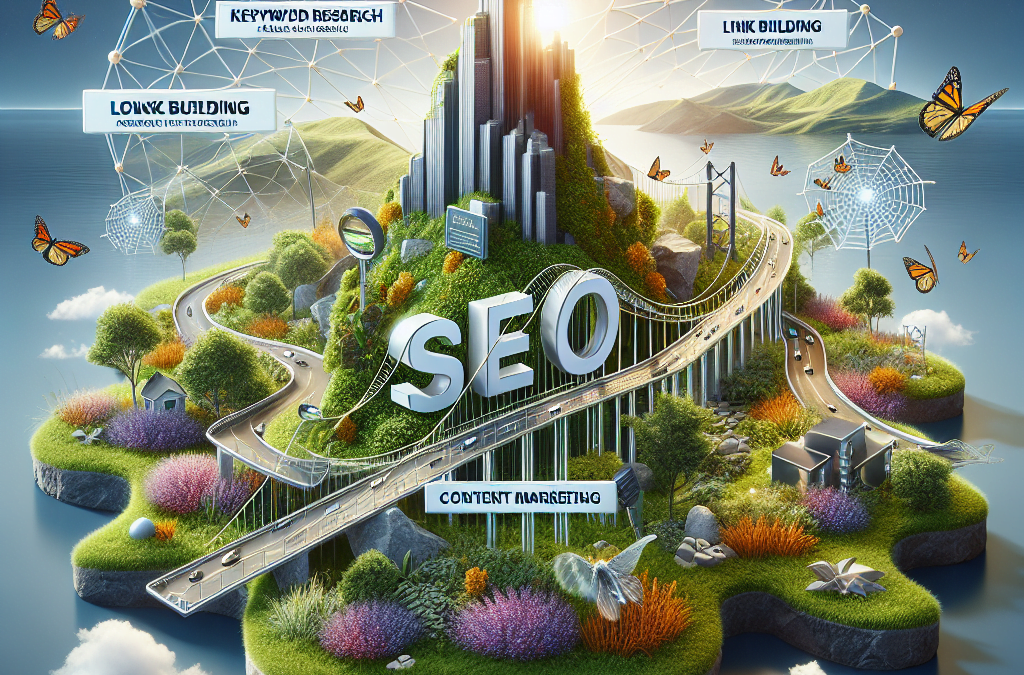
Embarking on the journey to enhance your website’s visibility starts with a solid grasp of Search Engine Optimization (SEO). It’s the bedrock upon which all successful online marketing strategies are built. SEO is not merely a buzzword but a pivotal element of the digital landscape that determines how easily potential customers can find your business amidst the vast sea of online content.
At its core, SEO involves optimizing various components of your website so that search engines, like Google, can understand and rank your site favorably in search results. This includes refining your website’s structure, ensuring content relevance, and building a network of backlinks that establish your site’s authority and trustworthiness in your niche.
Mastering the fundamentals of SEO is akin to constructing a sturdy foundation for a building. Without it, no matter how visually stunning your site may be, it is unlikely to withstand the competitive pressures of the internet. A strategic approach to SEO not only improves your site’s ranking but also enhances user experience, making it more likely that visitors will stay, engage, and convert into customers.
Ready to lay the groundwork for your online success? Get a quote and let us help you build a robust SEO strategy tailored to your business needs. As pioneers in web design and development since 1999, we at Guru-is.com are equipped with the expertise to elevate your website’s performance and secure your place at the top of search engine results.

Delving deeper into the 10 best search engine optimization strategies, the significance of keyword research and optimization cannot be overstated. This technique is the compass that guides your content to appear in front of the right audience. By identifying the terms and phrases that potential customers use to search for products or services like yours, you can tailor your website’s content to match these search queries.
Effective keyword optimization starts with comprehensive research using tools such as Google’s Keyword Planner, SEMrush, or Ahrefs. These tools provide insights into search volume, competition level, and trends that can help you select the most advantageous keywords for your business.
Once you’ve identified your target keywords, the next step is to seamlessly integrate them into your website’s meta tags, headers, content, and URLs. However, it’s crucial to maintain a natural flow of language to avoid ‘keyword stuffing’—a practice that search engines penalize. The keywords should enhance the content’s relevance and readability, not detract from it.
Remember, keyword optimization is not a one-time task but an ongoing process. As market trends shift and new competitors emerge, regularly updating your keyword strategy is essential to maintain and improve your search engine rankings. By keeping your content fresh and aligned with current search behavior, you can ensure that your website stays visible and relevant to your audience.

Following the foundation laid by thorough keyword research, the next pivotal strategy among the 10 best search engine optimization techniques is the creation of high-quality, engaging content. Content is king in the digital world, and its quality directly influences your website’s search engine rankings and user engagement levels.
To captivate and retain the attention of your audience, content must be informative, well-written, and add value to the reader’s experience. It’s not just about what you say, but how you say it. Utilizing a variety of content forms such as blog posts, infographics, videos, and podcasts can cater to different preferences and increase the time visitors spend on your site.
High-quality content also plays a critical role in establishing your website as an authority in your niche. By consistently delivering insightful and comprehensive content, you build trust with your audience. This trust not only encourages repeat visits but also increases the likelihood of your content being shared, thus amplifying your reach and link-building opportunities.
Moreover, search engines favor websites that provide a great user experience. Engaging content that resonates with your audience and encourages interaction will send positive signals to search engines, resulting in improved rankings. Always aim for originality and depth in your content, as this will help differentiate your site from competitors and provide a unique value proposition to your visitors.

Once high-quality content is in place, the focus shifts to On-Page SEO, a crucial component of the 10 best search engine optimization strategies. On-Page SEO refers to optimizing web page content for both search engines and users. Common on-page SEO practices include optimizing title tags, content, internal links, and URLs.
Ensuring that title tags are concise and include your primary keywords can significantly impact your site’s visibility. Title tags act as a first impression and can determine whether someone clicks on your site from search engine results pages (SERPs).
The use of header tags (H1, H2, H3) to structure content is also important for readability and SEO. Headers help break down content into digestible sections and guide search engines through the hierarchy and relevance of your content.
Internal linking is another vital aspect of On-Page SEO. It involves linking to other pages on your website with relevant anchor text. This not only helps visitors navigate your website and find more information but also allows search engine crawlers to discover more of your pages.
Lastly, creating SEO-friendly URLs that are short, descriptive, and include keywords can help both users and search engines understand what the page is about. A well-crafted URL structure can be a strong signal of a page’s relevance to a given search query.
Implementing these On-Page SEO elements ensures that your content is not only accessible to your audience but also structured in a way that search engines can easily interpret and rank. This balance is essential for improved visibility and attracting more targeted traffic to your website.

Moving beyond on-page elements, a strong backlink profile is paramount in the realm of the 10 best search engine optimization tactics. Backlinks, also known as inbound links or external links, are links from other websites that point to your website. They are considered by search engines as votes of confidence and can significantly boost your site’s authority and ranking.
Acquiring high-quality backlinks from reputable websites is a testament to the credibility of your content. It’s essential to focus on the quality rather than the quantity of backlinks. One link from a well-respected source can be more beneficial than multiple links from lesser-known sites.
Strategies to build a strong backlink profile include guest blogging on prominent sites in your industry, creating shareable infographics, and engaging in digital PR campaigns. By providing valuable content that others want to link to, you can naturally grow your backlink profile.
Moreover, it’s important to regularly audit your link profile to identify and disavow any toxic links that could harm your website’s ranking. Tools like Google’s Search Console can help you monitor your backlink profile and maintain its health over time.
Ultimately, a robust backlink profile supports your SEO efforts by enhancing your website’s trustworthiness and relevance, which are critical factors in search engine algorithms. By systematically building and maintaining high-quality backlinks, you position your website as a leader in its field, which can lead to improved search engine rankings and increased organic traffic.
Following the implementation of the 10 best search engine optimization strategies, the final step is to measure the success of your SEO efforts with analytics. Utilizing tools such as Google Analytics, you can track a range of metrics that reflect how well your site is performing in terms of search visibility, user engagement, and conversion rates.
Key performance indicators (KPIs) to monitor include organic traffic, bounce rate, conversion rate, keyword rankings, and page load time. These metrics provide insights into the user experience and the effectiveness of your SEO strategies. For instance, a high bounce rate may indicate that visitors are not finding what they expect on your page, signaling a need for content optimization.
SEO is not a set-and-forget process; it requires ongoing analysis and adjustment. By regularly reviewing your analytics, you can identify areas for improvement and make data-driven decisions to refine your SEO approach. This continuous optimization cycle ensures that your website stays competitive in search engine rankings and meets the evolving needs of your audience.
If you’re not sure how to interpret your analytics data or want to ensure that you’re tracking the right KPIs for optimal SEO performance, it’s time to seek professional help. Get a quote from our team of experts at Guru-is.com and let us guide you to Absolute Web Success.
Remember, measuring and analyzing your SEO success is crucial to understand the return on investment and to justify the efforts put into optimizing your website. Let’s partner to make your business thrive in the digital landscape.

Welcome to the dynamic world of digital marketing, where the landscape is perpetually evolving, and innovation is the name of the game. As we delve into the realm of best internet marketing techniques, it is crucial to understand that the efficacy of your online presence hinges on how well you leverage these strategies. In today’s digital age, a robust internet marketing plan is the linchpin of business growth and visibility.
Whether you’re a startup looking to make a splash or an established enterprise aiming to maintain dominance, mastering the art of internet marketing is non-negotiable. From social media to search engine optimization, email campaigns to content marketing, each technique offers a unique avenue to engage your target audience and drive conversions.
Ready to harness the full potential of internet marketing? Get a quote and embark on a journey to Absolute Web Success for your business. Stay tuned as we unveil the most effective strategies to give your business the competitive edge it deserves.
Embarking on a digital marketing journey demands a well-thought-out plan that aligns with your business objectives. To craft a successful digital marketing strategy, begin by setting clear, measurable goals. What are you looking to achieve? Increased brand awareness, more leads, higher sales? Once your goals are established, identifying your target audience is the next critical step. Understanding their behaviors, needs, and online habits will inform your approach and help tailor your messaging for maximum impact.
The backbone of any digital strategy is content. Quality content that resonates with your audience can elevate your brand and foster loyal customer relationships. It’s also essential to choose the right channels to disseminate your content. Whether it’s through social media platforms, email marketing, or your company blog, each channel should be selected based on where your audience spends their time and is most likely to engage with your brand.
Finally, continuous analysis and adaptation are vital. By monitoring the performance of your campaigns and analyzing data, you can make informed decisions to tweak and improve your strategy over time. Remember, a stagnant plan is a recipe for obsolescence in the fast-paced world of internet marketing.

Social media has become an indispensable tool for brands seeking to grow and engage with their audience. To leverage these platforms effectively, it’s crucial to create a consistent brand voice and aesthetic that resonate across all social channels. This involves curating content that is not only appealing but also communicates your brand’s values and mission.
Engagement is the currency of social media. Thus, it is vital to interact with your audience by responding to comments, messages, and mentions. Regular engagement not only fosters a sense of community but also boosts your visibility due to the algorithms favoring active user interaction. Additionally, using targeted social media advertising can amplify your reach and help you connect with potential customers based on specific demographics, interests, and behaviors.
Another aspect of social media that can spur brand growth is influencer partnerships. Collaborating with influencers who align with your brand can introduce your products or services to a broader, yet still targeted, audience. However, it’s essential to analyze and measure the impact of your social media efforts. Tracking metrics such as engagement rate, follower growth, and conversion rate will provide insights into the effectiveness of your strategies and areas for improvement. By staying attuned to the latest social media trends and adapting accordingly, you can ensure that your brand remains relevant and continues to flourish in the digital landscape.

As the digital marketplace becomes increasingly saturated, maximizing Search Engine Optimization (SEO) is critical for ensuring that your business stands out online. SEO involves a set of strategic practices aimed at improving your website’s ranking in search engine results pages (SERPs), making it more visible to those who are looking for the products or services you offer.
The heart of successful SEO lies in keyword research. Identifying and integrating the best internet marketing techniques begins by understanding the terms and phrases your target audience uses to search online. Once these keywords are identified, they should be seamlessly incorporated into your website’s content, including titles, meta descriptions, headers, and body text. However, keyword stuffing, or overusing these phrases, can be detrimental and should be avoided.
To further boost your SEO, it’s imperative to focus on building quality backlinks from reputable websites. These serve as endorsements for your content, signaling to search engines that your site is a valuable source of information. Additionally, ensuring that your website is mobile-friendly and has fast loading times is not just a user convenience but also a ranking factor for search engines like Google.
Moreover, creating valuable content that addresses the needs and questions of your audience can establish your website as an authority in your niche. This not only improves your SEO but also encourages users to spend more time on your site, reducing bounce rates and increasing the likelihood of conversions. By regularly updating your website with fresh, relevant content, you signal to search engines that your site is active, which can further improve your online visibility.

Email marketing remains one of the best internet marketing techniques due to its direct approach and personalized touch. Unlike other strategies that might come and go with technological trends, email marketing has stood the test of time, consistently delivering impressive returns on investment. It’s an intimate channel of communication that allows businesses to craft targeted messages and reach customers right in their inbox.
Successful email marketing campaigns rely on a few key practices. Firstly, building a robust and segmented email list is crucial. This enables tailored campaigns that resonate with different segments of your audience based on their preferences, behavior, and demographic information.
Creating compelling subject lines is another vital element. They act as the first point of engagement and determine whether an email is opened or ignored. Subject lines should be intriguing, clear, and relevant to the content within. Your emails should provide value, whether it’s through informative content, exclusive offers, or early access to new products.
Furthermore, the timing of your emails can significantly impact their effectiveness. Analyzing customer data to understand when your audience is most likely to engage with your emails can help in scheduling them at optimal times.
Lastly, it’s essential to ensure that your emails are designed to be responsive across all devices, particularly as mobile usage continues to rise. With the right design and content, email marketing can drive traffic to your website, nurture leads, and convert subscribers into loyal customers. By leveraging this timeless technique, you can maintain a strong connection with your audience and keep them informed and engaged with your brand.

To guarantee that you are utilizing the best internet marketing techniques effectively, it’s imperative to analyze and optimize your marketing efforts regularly. This process involves examining data from your campaigns to understand what’s working and what isn’t, allowing you to make informed decisions on where to allocate your resources.
Key performance indicators (KPIs) such as click-through rates, conversion rates, and return on investment are crucial metrics to monitor. These indicators help in measuring the success of your campaigns and in identifying areas for improvement. With the assistance of various analytics tools, you can gain insights into user behavior, campaign performance, and overall engagement levels.
Once you’ve gathered data, the optimization phase begins. This could include A/B testing different aspects of your campaigns, such as email subject lines, landing page designs, or ad copy to determine which variations deliver the best results. By continuously refining your strategies, you can enhance the effectiveness of your marketing efforts and drive better outcomes for your business.
Remember, the digital landscape is always evolving, and so should your marketing strategies. Stay ahead of the curve by being willing to adapt and experiment with new techniques that could potentially lead to greater success.
Are you ready to elevate your digital marketing game? Get a quote today and let us help you analyze and optimize your marketing efforts for absolute web success!

Welcome to the digital era, where Internet marketing plays a pivotal role in establishing the presence of your business online. As the cornerstone of a successful digital strategy, understanding and leveraging the best internet marketing information can set you apart from the competition. It’s not just about being online; it’s about being visible, relevant, and engaging to your target audience.
Our journey begins with an exploration of the vast world of internet marketing, where the possibilities are as limitless as the digital space itself. From search engine optimization (SEO) to social media campaigns, and from content marketing to email outreach, the right mix of strategies can propel your brand to new heights. But with an overwhelming amount of information available, where do you start?
That’s where we come in. Guru-is.com has been revolutionizing the web since 1999, transforming businesses with our innovative designs and cutting-edge marketing tactics. We believe that the key to absolute web success lies in a deep understanding of internet marketing’s best practices and emerging trends. We’re here to guide you through the labyrinth of information and provide you with the resources and expertise needed to excel online.
Ready to take your business to the next level? Get a quote and let’s embark on this journey to internet marketing excellence together.
The digital marketing landscape is a dynamic and ever-evolving field that requires marketers to stay abreast of the latest trends and technologies. It encompasses a variety of channels and tactics, each with its own set of rules and potential for impact. To navigate this landscape effectively, one must understand the intricate interplay between different marketing methods, such as SEO, pay-per-click (PPC) advertising, social media marketing, and content creation, among others.
At the core of digital marketing is the goal to reach audiences where they spend most of their time: online. As consumer behavior shifts towards a digital-first approach, businesses must adapt their marketing strategies to meet customers on their preferred platforms. This means creating a seamless online experience through a well-designed website, engaging social media presence, and targeted advertising that speaks directly to the needs and interests of the audience.
Moreover, data analytics play a crucial role in understanding the effectiveness of marketing efforts. By analyzing data from website traffic, social media interactions, and campaign performance, businesses can gain insights into consumer behavior, optimize their marketing tactics, and make informed decisions to drive better results.
Understanding the digital marketing landscape is not just about knowing the tools and platforms; it’s about developing a strategic mindset that leverages digital opportunities to achieve business goals. With the best internet marketing information at your disposal, you can craft campaigns that resonate with your audience, build brand loyalty, and ultimately, contribute to your business’s growth and success.

Effective online marketing is not a one-size-fits-all endeavor; it requires a blend of various strategies tailored to the goals of the business and the behaviors of its target audience. One key strategy is to ensure that Search Engine Optimization (SEO) is at the forefront of your efforts. By optimizing your website’s content for search engines, you can increase visibility and drive organic traffic to your site.
Another vital strategy is to engage in Content Marketing. This involves creating valuable and relevant content that attracts and retains a clearly defined audience. By providing content that solves problems or addresses the needs of consumers, businesses can establish themselves as thought leaders and build trust with potential customers.
Social Media Marketing is also crucial. It allows businesses to connect with their audience on a more personal level. Regularly updating your social media channels with engaging posts, stories, and interactive elements can help maintain a robust online presence and foster community around your brand.
Email marketing remains one of the most cost-effective strategies. It allows for direct communication with your audience, providing personalized content and offers that can lead to higher conversion rates. Combining this with Pay-Per-Click (PPC) advertising can also yield immediate results, placing your brand at the top of search engine results for relevant queries.
Lastly, don’t underestimate the power of Analytics and Data Measurement. These tools will enable you to track the success of your marketing campaigns and understand the return on investment (ROI), helping you to refine your strategies over time and focus on what works best for your business.
Adopting these key strategies, coupled with the best internet marketing information, can lead to highly effective online marketing that not only reaches but also engages and converts your target audience.

In today’s digital landscape, the importance of social media for business growth cannot be overstated. Platforms like Facebook, Twitter, Instagram, and LinkedIn offer tremendous opportunities to reach and engage with a broader audience. To leverage social media effectively, businesses must develop a strategic approach that aligns with their brand identity and business goals.
Creating a consistent brand voice and personality across all social channels is vital. This helps in building brand recognition and loyalty. The content shared should resonate with your target audience and encourage interaction, whether it’s through compelling visuals, informative posts, or discussions.
Targeted advertising on social media platforms can be highly beneficial. By using these platforms’ advanced targeting capabilities, businesses can reach specific demographics, interests, and behaviors, ensuring that their marketing efforts are reaching the right people at the right time.
Engagement is key to social media success. This means not only posting content but also interacting with followers. Responding to comments, sharing user-generated content, and participating in social conversations can enhance your brand’s presence and foster a sense of community.
Furthermore, social media can be a valuable tool for customer service. By monitoring your channels and responding promptly to inquiries and feedback, you can provide support and build a positive reputation for being attentive and responsive to customer needs.
Monitoring the performance of your social media activities through analytics is also crucial. This data can provide insights into what types of content perform best, the most effective times to post, and how your audience is growing and engaging with your brand. By analyzing these metrics, you can continually refine your social media strategy for even greater business growth.
With the right approach, leveraging social media becomes an indispensable component of a company’s marketing toolkit, driving brand awareness, customer engagement, and ultimately, business success.

For businesses looking to achieve online marketing success, harnessing the power of essential tools is a must. These tools can automate processes, provide valuable insights, and help streamline marketing efforts. At the core of these tools are Customer Relationship Management (CRM) systems, which manage customer data and interactions, enabling personalized and efficient marketing campaigns.
Email marketing software is another indispensable tool, allowing businesses to reach out to their audience with targeted messages, newsletters, and promotional offers. These platforms often come with analytics capabilities, helping to understand open rates, click-through rates, and conversion rates to optimize future campaigns.
Analytics tools like Google Analytics play a critical role in internet marketing. They provide in-depth insights into website traffic, user behavior, and campaign performance. By understanding these metrics, marketers can make data-driven decisions to improve their online presence and ROI.
Search Engine Optimization (SEO) tools are vital for improving search engine rankings and visibility. They assist in keyword research, tracking keyword rankings, and identifying SEO issues on websites. With these tools, businesses can refine their content strategy to attract more organic traffic.
Lastly, social media management tools are essential for scheduling posts, monitoring brand mentions, and analyzing social media engagement. These tools save time and offer comprehensive reporting features that help tailor social media strategies to audience preferences.
By integrating these essential internet marketing tools into their strategy, businesses can maximize their online potential, ensuring they stay ahead in the competitive digital landscape. Each tool offers unique benefits that, when combined, create a robust framework for internet marketing success.

Measuring and analyzing the impact of your marketing efforts is crucial to understand the effectiveness of your strategies and to make informed decisions for future campaigns. To do this, marketers must employ a variety of analytics tools and metrics that can track performance across different channels and activities.
Key performance indicators (KPIs) such as conversion rates, customer acquisition costs, and return on investment (ROI) are central to gauging the success of marketing initiatives. Conversion rate metrics reveal how well your campaigns are turning prospects into customers, while customer acquisition cost measures the efficiency of your marketing spend. ROI calculations help determine the overall profitability of your marketing efforts.
A/B testing, or split testing, is another powerful method for analyzing marketing impact. It involves comparing two versions of a webpage, email, or other marketing assets to determine which one performs better in terms of driving conversions or other desired actions.
With advanced analytics platforms, businesses can dive deeper into the data to uncover trends, patterns, and customer behaviors. These insights guide future marketing strategies, ensuring they are data-driven and aligned with what resonates best with the target audience.
However, it’s not just about collecting the data; it’s also about interpreting it correctly. This is where the expertise of a professional team can make a significant difference. At Guru-is.com, we understand the nuances of digital marketing analytics and can help you translate data into actionable insights.
If you’re ready to elevate your internet marketing to the next level, we invite you to get a quote. Let us assist you in crafting a marketing strategy that is not only visually appealing but also grounded in solid analytics for absolute web success.