
Congratulations on Taking the First Step
to More Digital Visibility!
Then next step is to schedule a Strategy session...

Welcome to the world of Divi Theme, where web design becomes an effortless and creative experience. As an integral part of our mission to revolutionize web design, Divi Theme stands out as a remarkable tool that has been shaping the digital landscape since its inception. With an emphasis on flexibility and user-friendliness, it empowers businesses and individuals alike to craft stunning websites with ease.
Whether you are a seasoned developer or a beginner with a vision, Divi Theme provides you with a suite of advanced features that ensures your online presence is both professional and impactful. Its intuitive visual builder transforms the way you create websites, allowing for real-time design and the ability to see your changes instantly. The Divi Theme is more than just a tool; it’s a comprehensive solution that caters to all your web design needs.
As we delve into the Divi Theme, we invite you to imagine the possibilities it can unlock for your business. If you’re looking to elevate your online presence, don’t hesitate to Get a quote and join the ranks of businesses achieving absolute web success with Divi Theme.

At the heart of the Divi Theme is its unparalleled capacity for customization and flexibility. This powerful theme offers a vast array of options that cater to the diverse needs of web designers and business owners. With Divi, you can tailor every aspect of your site to match your brand’s unique identity and vision.
One of the standout features is the Divi Builder, a drag-and-drop page builder that enables users to create complex layouts without having to write a single line of code. The Divi Builder comes with dozens of customizable content modules, allowing you to add sliders, tabs, images, and much more to your web pages. Moreover, the Advanced Design Settings give you control over every detail, from fonts and colors to spacing and sizing, ensuring that each element is just right.
The theme also boasts a responsive editing feature, which means your website will look great on any device. The ability to directly customize your site’s appearance on tablets and smartphones is a testament to Divi’s commitment to responsive web design. With Divi Theme, the power to create a versatile and adaptive online presence is truly in your hands.

Designing with the Divi theme is a testament to its user-friendly interface and commitment to providing a superior user experience. Both amateur and professional web designers appreciate the intuitive nature of the Divi interface, which makes website building both accessible and enjoyable.
The theme’s interface is cleanly laid out, with a visual builder that allows you to see changes in real-time. This means that as you adjust the design elements, you can immediately see how it will look to the end-users, streamlining the design process and reducing the need for revisions. Furthermore, the Divi theme goes beyond mere aesthetics. It incorporates comprehensive navigation tools and keyboard shortcuts, enhancing efficiency and making the experience smoother for designers of all skill levels.
Another aspect where Divi shines is in its libraries of layouts and pre-made templates. These resources are a boon for rapidly deploying professional-grade designs, allowing for quick customization while maintaining a high standard of user experience. Whether you’re crafting a portfolio, e-commerce site, or a corporate webpage, Divi provides a solid foundation that can be adapted to suit any audience or purpose.

When it comes to website performance, the Divi theme is engineered to ensure that websites not only look good but also load quickly and rank well on search engines. Speed is a critical factor in user retention, and Divi’s efficient coding minimizes bloat, leading to faster loading times. This is achieved through its smart use of code that prioritizes the most essential elements, ensuring a swift user experience.
In terms of search engine optimization (SEO), Divi is built with best practices in mind. It is compatible with most popular SEO plugins, allowing webmasters to enhance their site’s visibility and searchability. Divi also ensures that the websites are responsive and mobile-friendly, which is a key ranking factor in Google’s search algorithm. The theme’s attention to semantic HTML structure and its ability to produce clean, streamlined code further aids in the SEO process, allowing search engines to index content more effectively.
Additionally, Divi provides a suite of tools to optimize your website’s images and media content, such as setting appropriate alt tags and ensuring that images are of a suitable size for rapid loading without sacrificing quality. With these considerations in mind, Divi theme users can create websites that perform well not just visually and functionally, but also in terms of page speed and SEO ranking, which are pivotal for online success.
An examination of case studies reveals how the Divi theme has played a pivotal role in the success of numerous business websites. From small startups to established enterprises, many companies have leveraged the power of Divi to create visually appealing and highly functional websites. One such example is a boutique e-commerce shop that saw an increase in conversion rates by 30% after revamping their site with Divi. The shop capitalized on Divi’s extensive customization options to create a unique shopping experience that resonated with its customer base.
Another case study involves a tech company that utilized Divi’s seamless integration with leading marketing tools to generate a significant uptick in leads. Through Divi’s built-in split testing and optimization features, the company was able to refine its messaging and calls-to-action, resulting in a 50% increase in lead generation within the first quarter of implementation.
Fitness centers, law firms, and educational institutions have also reported improvements in user engagement and retention after adopting Divi. By exploiting Divi’s intuitive content modules and layout configurations, these businesses have managed to present complex information in a user-friendly manner, simplifying the user journey and enhancing the overall customer experience.
These case studies exemplify the transformative impact that a well-crafted Divi theme can have on a business’s online presence. By embracing the versatility and power of Divi, businesses across various industries have achieved measurable success and solidified their digital footprint.

Embarking on the journey of creating a website with the Divi theme can be both exciting and daunting for new users. To ensure a smooth start, it’s crucial to familiarize oneself with Divi’s extensive documentation and community forums. These resources offer valuable insights and step-by-step tutorials that cover everything from basic configuration to advanced design techniques. Additionally, tapping into the array of Divi-specific blogs and YouTube channels can provide new users with practical tips and creative inspiration.
It’s also beneficial to explore the Divi Marketplace, where users can find a wealth of child themes, plugins, and layout packs specifically crafted for the Divi theme. These pre-designed elements can greatly accelerate the design process and help new users achieve a professional look with minimal effort. Moreover, practicing with Divi’s visual builder on a test site allows users to experiment with different design elements and customization options without the fear of making irreversible changes to a live site.
For those who prefer a guided approach, attending Divi webinars and workshops can be exceptionally helpful. These live events provide an opportunity to learn directly from Divi experts and ask questions in real-time. Furthermore, engaging with the Divi community through social media groups and forums is a great way to exchange ideas, receive feedback, and stay updated on the latest Divi developments.
If you’re ready to take the leap into building your website with Divi, remember that expert assistance is just a click away. At Guru-is.com, our team of skilled designers and developers are at your service to help craft a site that reflects your vision and drives your business forward. Get a quote today to partner with professionals who understand your needs and are dedicated to your success.

Embarking on the journey of Search Engine Optimization (SEO) is akin to unlocking a door to immense online potential for businesses of all sizes. At its core, SEO is the art and science of enhancing your website’s presence in search engine results, making it more visible to your target audience. In today’s digital era, where the internet serves as the modern marketplace, being easily discoverable by potential customers is crucial for success.
As the search engine algorithms become more sophisticated, understanding the nuances of SEO strategies is paramount. This involves not only selecting the right keywords but also ensuring your site’s structure, content, and user experience are optimized for both search engines and users. It is a delicate balance that requires regular updates and analytics to keep pace with the ever-changing online landscape.
SEO is not a one-time effort but an ongoing process. It encompasses various elements including on-page optimization, quality content creation, link building, and technical SEO. Each aspect plays a vital role in boosting your site’s relevancy and authority, which, in turn, can lead to higher rankings on search engine results pages (SERPs).
With the right SEO practices in place, businesses can expect a marked improvement in traffic, engagement, and ultimately, conversions. The journey toward achieving these goals begins with a solid understanding of SEO principles and a strategic plan to implement them effectively.
At Guru-is.com, we specialize in leveraging the best SEO practices to catapult your online visibility. Our expertise can help you navigate the complexities of SEO and ensure that your website stands out in the crowded digital space. Get a quote today and take the first step towards absolute web success for your business!

The cornerstone of any effective SEO strategy lies in the creation of compelling content that not only captivates readers but also complies with search engine algorithms. Crafting content that ranks requires more than just incorporating keywords; it demands a deep understanding of your audience’s needs and interests, and the ability to create value through your words.
SEO writing essentials include the use of relevant keywords in a natural and contextually appropriate manner. It’s not just about keyword density, but about placing them strategically throughout your content, including titles, headings, and meta descriptions, to ensure maximum visibility without compromising readability.
Another critical aspect is the structure of your content. Breaking down information into digestible chunks using subheadings, bullet points, and short paragraphs enhances user engagement and makes it easier for search engines to crawl and index your content. Furthermore, incorporating internal and external links enriches your content by providing additional value and establishing credibility.
Originality is key in SEO writing. Search engines favor unique content that provides fresh perspectives and insights. Therefore, it is essential to avoid plagiarism and deliver content that stands out from the competition. By focusing on these SEO writing essentials, you can create content that not only ranks well but also resonates with your audience, making them more likely to return for more insightful information.
While high-quality content is the visible lure for your audience and search engines alike, Technical SEO is the robust backbone that supports your website’s overall performance. Ensuring a solid foundation in technical SEO is crucial for any site to rank well and provide a seamless user experience. This involves optimizing your website’s infrastructure so that search engines can easily crawl and index your site.
One of the primary components of technical SEO is site speed. A fast-loading site not only improves user experience but also positively impacts search engine rankings. Optimization can include reducing file sizes, leveraging browser caching, and employing a content delivery network (CDN) to expedite load times.
Mobile-friendliness is another critical factor, especially since Google’s shift to mobile-first indexing. Ensuring your site is responsive and provides a consistent experience across all devices is no longer optional but a necessity.
Moreover, a clean site architecture and URL structure aid both users and search engines in navigating your content. A clear hierarchy and simple, descriptive URLs can significantly enhance the efficacy of your site’s indexing.
Lastly, securing your website with HTTPS encryption has become imperative, not only for safety but also as a ranking signal. The implementation of SSL certificates reassures users and search engines that your site is trustworthy and secure.
Paying attention to these technical SEO elements lays the groundwork for a website that is robust, reliable, and ready to climb the ranks of search engine results pages (SERPs).

Link building remains a cornerstone of search engine optimization, propelling websites to greater visibility and authority within search engine results. It involves acquiring hyperlinks from other websites to your own, a process viewed by search engines as a vote of confidence in the quality of your content. A robust link profile can significantly elevate your site’s ranking potential.
One effective strategy is to create compelling, shareable content that naturally encourages other sites to link to it. This could be an insightful blog post, a useful infographic, or a research study with original findings. Content that provides value is more likely to garner links organically.
Another approach is guest posting on reputable sites within your industry. Contributing high-quality content to other sites can lead to backlinks that not only drive referral traffic but also enhance your site’s SEO. It’s important to ensure that these guest posts are informative and relevant to the audience of the host site, which in turn improves the chances of the links being maintained over time.
Reaching out for backlinks can also be fruitful. This involves contacting website owners or editors and requesting that they link to your site. This process can be more successful if you provide a compelling reason why linking to your content will benefit their audience.
Lastly, monitoring your competitors’ backlinks can provide insights into their link-building strategies and help you identify potential link opportunities. Tools like Ahrefs or Moz can be used to analyze the backlink profiles of competing websites to spot patterns and potential link sources.
Ultimately, the success of link building hinges on a balance between quantity and quality. A smaller number of high-quality, relevant links can be far more beneficial than a large number of low-quality links, and this focus on quality aligns with the best SEO practices for sustainable ranking improvements.

Once SEO strategies are implemented, it’s crucial to track their performance to understand the impact they have on your website’s search engine rankings and traffic. Analytics play a pivotal role in measuring the success of your SEO efforts and guiding future optimizations.
Utilizing tools such as Google Analytics can provide a wealth of data about your website’s users, including how they arrived at your site, their behavior while on the site, and the content that most engages them. By analyzing this information, you can identify which SEO strategies are working and which need adjustment. For example, if certain pages have high bounce rates, this may indicate that the content is not meeting the needs of your visitors or that the keywords targeted are not aligned with the page content.
Another critical metric to monitor is your website’s organic search traffic over time. An upward trend in organic traffic is a good indicator that your SEO strategies are effective. Conversely, if traffic plateaus or declines, it may be time to re-evaluate your approach.
Keyword rankings are also important to track. While not the only metric to consider, knowing where your website stands in search engine results pages (SERPs) for targeted keywords can help you understand the effectiveness of your on-page optimization and content strategies.
Lastly, conversion rates from organic traffic can tell you how well your site is doing at turning visitors into customers or leads. If you’re getting traffic but conversions are low, it may be necessary to optimize your calls-to-action, user experience, or other on-site elements.
By regularly reviewing these analytics, you can make data-driven decisions that continually refine and improve your SEO strategies, ensuring that your website remains competitive and visible in the ever-changing landscape of search engine algorithms.
The digital landscape is ever-evolving, and staying abreast of the latest SEO trends and algorithm updates is essential for maintaining and enhancing your website’s visibility. Search engines frequently update their algorithms to provide the best user experience, which means what worked yesterday might not work today. These updates can significantly affect your site’s ranking and visibility.
To keep up with these changes, it’s important to follow SEO news from reputable sources. Attend industry conferences, webinars, and subscribe to SEO blogs and newsletters. Additionally, engaging with the SEO community on social media or forums can provide insights and tips for adapting to the latest changes.
Mobile optimization, for instance, has become increasingly important as more users access the internet via mobile devices. Ensuring that your website is mobile-friendly is no longer optional; it’s a necessity. Similarly, voice search optimization is on the rise, necessitating the inclusion of conversational keywords and questions in your content strategy.
Another trend is the growing importance of user experience (UX) in SEO. Search engines are prioritizing sites that provide a seamless and engaging user experience. This includes fast loading times, intuitive navigation, and high-quality, relevant content. Therefore, regular UX audits of your website are crucial to identify areas that need improvement.
Machine learning and artificial intelligence are also shaping the future of SEO. These technologies are being used to personalize search results, making it vital to understand and leverage user intent.
Staying ahead in SEO requires continual learning and adaptation. If you want to ensure your website keeps pace with these changes and maximizes its online potential, get a quote from us at Guru-is.com. Our expertise in cutting-edge SEO practices will help your business thrive in the dynamic digital world.

Embarking on the journey of web development requires a strong grasp of its core principles. At its heart, web development is the process of building and maintaining websites; it’s the work that happens behind the scenes to make a website look great, work fast and perform well with a seamless user experience. Developers achieve this through a variety of coding languages, depending on the tasks they are performing and the platforms on which they are working.
The fundamentals of web development include a thorough understanding of HTML, CSS, and JavaScript – the building blocks of the web. HTML (HyperText Markup Language) structures the content on the web, CSS (Cascading Style Sheets) is used to control presentation, layout, and design, and JavaScript enables interactive features that can engage users and improve functionality.
Moreover, web development also involves understanding how to work with Content Management Systems (CMS) like WordPress or Drupal, which allow users to create, manage, and modify content on a website without the need for specialized technical knowledge. Additionally, knowledge of server-side scripting, database management, and application development frameworks are crucial.
Whether you’re a business owner seeking to establish a robust online presence or someone looking to dive into a career in tech, a solid foundation in web development is essential. Get a quote from Guru-is.com, and let our expertise pave the way for your absolute web success.

The landscape of web development technologies is constantly evolving, with new frameworks, libraries, and tools emerging regularly. Navigating these advancements is vital for developers aiming to build cutting-edge websites. One of the most significant trends is the rise of single-page applications (SPAs) built with frameworks like Angular, React, and Vue.js. These powerful tools have changed the way developers approach the construction of user interfaces, offering dynamic and responsive web experiences.
In addition to front-end frameworks, the growth of serverless architectures and microservices has transformed backend development. This approach allows developers to write and deploy code without worrying about the underlying infrastructure, leading to increased scalability and flexibility in web applications.
Progressive Web Apps (PWAs) are another innovation redefining the capabilities of web-based applications. PWAs provide a near-native app experience and are designed to work on any platform that uses a standards-compliant browser. With the integration of modern APIs, PWAs can now offer offline functionality, push notifications, and fast load times.
Finally, the adoption of headless CMS technology has enabled developers to separate the backend content management from the front-end presentation layer. This separation allows for greater design flexibility and the ability to deliver content across multiple platforms.
Staying abreast of these technologies is crucial for developers and businesses alike to ensure that their web presence remains competitive and relevant in the digital marketplace.

Responsive design is no longer a luxury but a necessity in web development. With the proliferation of mobile devices, it’s imperative that websites function seamlessly across a variety of screen sizes and resolutions. Employing fluid grid layouts is a foundational practice, allowing page elements to resize in relation to one another rather than using fixed widths.
Another critical aspect is the use of media queries in CSS, which enable developers to apply different styles based on the device’s characteristics, such as its width, height, or orientation. This flexibility ensures that no matter the device, the user experience remains consistent and accessible.
Images and multimedia must also be adaptable. Techniques like responsive images with the srcset attribute, which allows browsers to select the appropriate image size, help in reducing load times and conserving bandwidth on mobile devices.
Touchscreen readiness is equally vital, as mobile users predominantly navigate with finger taps and swipes. Ensuring that interactive elements like buttons and links are of an adequate size and spaced well apart is essential to prevent user frustration and to enhance usability.
Lastly, performance optimization plays a crucial role in responsive web design. Fast-loading pages are crucial for mobile users, especially when network speeds are slow or unreliable. Techniques such as minifying CSS and JavaScript files, using browser caching, and optimizing server response times all contribute to a more responsive, mobile-friendly user experience.
By following these best practices in responsive and mobile-friendly design, not only will the user engagement increase, but it will also significantly contribute to better search engine rankings, as mobile-friendliness is a key factor in SEO.
The landscape of web development is constantly evolving, and having the right set of tools is crucial for efficiency and innovation. A version control system, such as Git, is indispensable for tracking changes in code and collaborating with other developers. It facilitates branching and merging, allowing multiple developers to work on different features simultaneously without disrupting the main codebase.
Text editors and IDEs (Integrated Development Environments) like Visual Studio Code or Sublime Text provide a robust platform for coding with features like syntax highlighting, code completion, and debugging tools. These editors make writing and navigating through code more intuitive and less error-prone.
For front-end development, frameworks such as Angular, React, or Vue.js have become essential. They offer pre-written, standardized code, which can drastically speed up the development process and ensure consistency across projects.
On the back-end side, Node.js is highly regarded for its scalable and fast server-side solutions, while Docker helps in creating, deploying, and running applications by using containers, which allow a developer to package up an application with all of the parts it needs.
Web development is also heavily reliant on testing. Tools like Jest for JavaScript testing, and Selenium for automating web applications for testing purposes, are fundamental to deliver bug-free websites.
Lastly, performance monitoring tools such as Google Lighthouse or WebPageTest are crucial for assessing the website’s speed and user experience, providing actionable insights to improve site performance.
These tools, among others, form the backbone of a web developer’s toolkit, helping to streamline the development process, enhance collaboration, and ensure the delivery of high-quality web applications.

Search Engine Optimization (SEO) is a critical component of web development that should be integrated from the outset. To ensure that websites rank well in search engine results, developers must employ a variety of SEO strategies throughout the development process.
Responsive design is a non-negotiable aspect of modern web development, as it ensures that websites are accessible and user-friendly across all devices. This is especially important given Google’s mobile-first indexing approach. Utilizing semantic HTML5 elements is also beneficial for SEO, as it helps search engines understand the structure and content of web pages.
Website speed is another crucial factor; search engines favor sites that load quickly. Developers should optimize images, minify CSS and JavaScript files, and leverage browser caching to improve load times. Additionally, implementing lazy loading for images and videos can significantly enhance page speed by loading these assets only as they are needed.
Creating a clear and logical URL structure also contributes to SEO success, making it easier for search engines to crawl and index the site’s pages. Moreover, ensuring that all content is easily reachable through simple and intuitive navigation can reduce bounce rates and increase the amount of time users spend on the site, which are positive indicators for search engines.
Another essential SEO strategy is the use of meta tags, such as title tags and meta descriptions, which provide search engines with concise information about the content of each page. These tags also influence the appearance of web pages in search results, impacting click-through rates.
Incorporating these and other SEO strategies into the web development process is vital for creating websites that not only look good and function well but also have the potential to rank prominently in search engine results, driving organic traffic and achieving greater online visibility.

As online threats evolve, ensuring web security and protecting user data has become paramount for every website developer. Implementing robust security measures is not just about safeguarding the website, but also about protecting the trust and privacy of its users. To this end, a multi-layered security approach is often recommended.
One of the first steps in securing a web application is the use of HTTPS protocol through SSL/TLS certificates, which encrypt data transmitted between the user and the server. This is essential for all websites, especially those handling sensitive user information.
Input validation and sanitization are critical to prevent SQL injection attacks and cross-site scripting (XSS). By ensuring that only properly formatted data passes through, developers can protect the website from malicious inputs that aim to exploit vulnerabilities.
Regular updates to the website’s software and third-party plugins can close security loopholes that hackers might exploit. Additionally, implementing a Content Security Policy (CSP) can help prevent XSS attacks by specifying which dynamic resources are allowed to load.
User authentication systems should be robust, incorporating strong password policies, multi-factor authentication (MFA), and secure password recovery mechanisms. Moreover, limiting user access to only the necessary parts of the website can minimize the risk of internal security breaches.
Finally, regular security audits and penetration testing can identify and address potential security issues before they can be exploited by attackers. Backups should also be conducted regularly to ensure that data can be restored in the event of a breach or data loss.
By prioritizing these security practices, developers can create a secure environment for users to interact with the web application confidently. If you’re looking to build a website that is not only visually appealing but also secure, get a quote from our experts at Guru-is.com. Let us help you achieve absolute web success while keeping your user’s data safe.
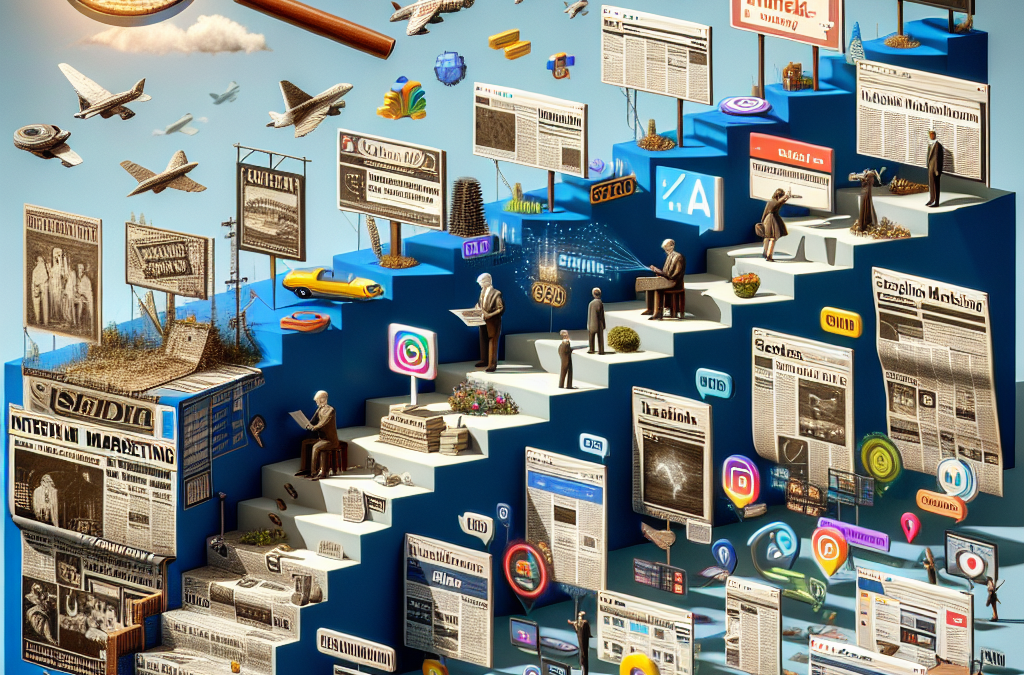
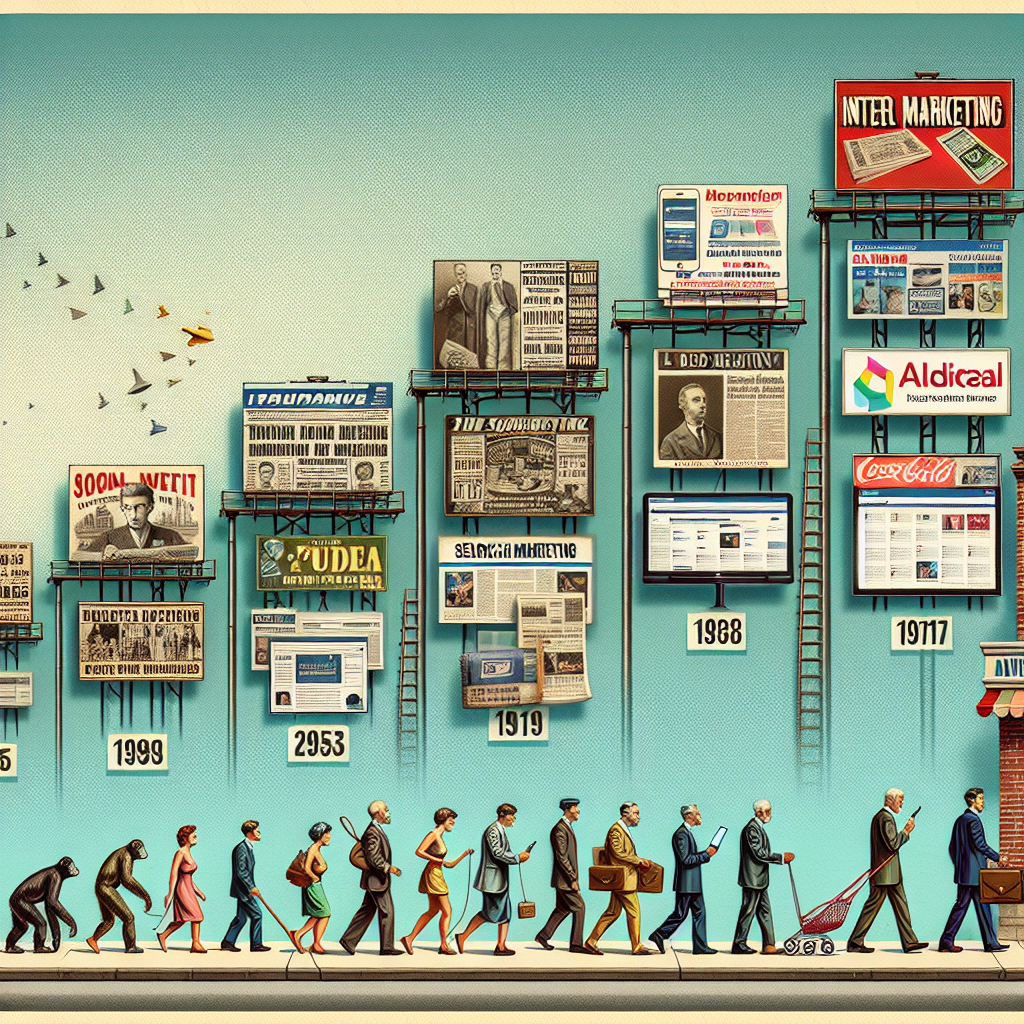
The landscape of internet marketing has undergone a dramatic transformation since its inception. In the early days, online marketing was a novelty, limited to simple banner ads and email campaigns. However, the advent of search engines and the rise of social media platforms have revolutionized the way businesses connect with their target audience. Today, internet marketing encompasses a variety of strategies, including search engine optimization (SEO), pay-per-click (PPC) advertising, social media marketing, content marketing, and more, all aimed at enhancing online visibility and driving consumer engagement.
Businesses that understand the importance of adapting to the ever-evolving digital environment are the ones that thrive. By leveraging cutting-edge analytics and targeting tools, companies can now personalize their marketing efforts to reach potential customers more effectively than ever before. Moreover, with the rise of mobile technology, marketers must ensure that their strategies are optimized for a range of devices, providing a seamless user experience across all platforms.
At Guru-is.com, we recognize the potential of internet marketing to fuel business growth. Our team is dedicated to staying ahead of the curve, using innovative web design and development to empower your business. Harness the power of internet marketing and revolutionize your online presence with us. Get a quote and let’s create a strategy that ensures absolute web success for your business!

To carve out a strong online brand presence, businesses must implement strategic internet marketing techniques. Content marketing sits at the heart of this, involving the creation and sharing of valuable content to attract and retain a clearly-defined audience. This content can range from blog posts and videos to infographics and podcasts, all tailored to the interests and needs of target customers.
Another crucial strategy is search engine optimization (SEO), which enhances a website’s visibility in search engine results pages (SERPs). By optimizing content with relevant keywords, maintaining a user-friendly site structure, and earning quality backlinks, businesses can increase organic traffic and establish authority in their industry.
Social media platforms offer a powerful avenue for brand promotion and customer engagement. Companies should focus on building a consistent brand voice and image across all channels, engaging with their audience through regular posts, comments, and interactive content. Paid advertising campaigns on these platforms can also amplify reach and target specific demographics with precision.
Email marketing remains a highly effective tool for direct communication with customers, allowing for personalized messaging and promotions that can drive loyalty and repeat business. Finally, analytics and data-tracking tools are invaluable for measuring the success of internet marketing campaigns and making informed decisions to refine strategies over time.
By integrating these strategies, businesses can develop a comprehensive and impactful online presence. In the digital marketplace, a well-crafted internet marketing plan is not just an option; it is an essential component for achieving competitive advantage and long-term success.
In the realm of internet marketing, social media is a game-changer, offering unparalleled opportunities for businesses to connect with their audience. To fully leverage social media in digital marketing campaigns, companies must first identify the platforms where their target audience is most active. Whether it’s Facebook, Instagram, Twitter, LinkedIn, or newer platforms like TikTok, each has unique features and user demographics that can inform a tailored marketing approach.
Creating engaging content that resonates with users is key to social media success. This includes eye-catching visuals, compelling videos, informative articles, and interactive features like polls and live streams. Such content encourages shares, likes, and comments, fostering organic reach and virality.
Another vital aspect is community management. Interacting with followers, responding to comments, and participating in conversations can build a loyal community around a brand. This not only enhances brand image but also provides valuable insights into customer preferences and behaviors.
Paid social media advertising is another powerful tool that allows for hyper-targeted campaigns. With sophisticated targeting options, advertisers can reach specific demographics based on interests, behaviors, location, and more. This ensures that marketing messages are seen by those most likely to engage with the brand.
Finally, tracking engagement and conversion metrics is essential for understanding the effectiveness of social media campaigns and optimizing future efforts. Utilizing tools such as Facebook Insights or Twitter Analytics can help marketers make data-driven decisions to maximize ROI.
Integrating social media strategically within broader internet marketing initiatives can greatly amplify a brand’s online presence and drive meaningful engagement with potential and existing customers.
Search Engine Optimization (SEO) and content marketing are two pillars of internet marketing that, when combined, create a synergistic approach to digital visibility and audience engagement. SEO involves optimizing a website to rank higher in search engine results, while content marketing focuses on creating and distributing valuable, relevant, and consistent content to attract and retain a clearly defined audience.
At the core of this synergistic approach is keyword research, which informs the content creation process. Identifying and incorporating the right keywords helps ensure that the content not only appeals to the target audience but also adheres to search engine algorithms. However, it’s crucial to maintain a balance between keyword usage and the natural flow of the content to avoid the pitfalls of keyword stuffing.
Quality content is the cornerstone of effective SEO. By producing authoritative and informative content, businesses can establish themselves as thought leaders in their industry. This not only attracts backlinks from other sites, which are crucial for SEO, but also increases user engagement, as visitors are more likely to spend time on and return to a site that offers value.
SEO and content marketing also require a focus on user experience (UX). A well-designed website that’s easy to navigate and provides a seamless user journey can lead to longer dwell times and lower bounce rates, which are positive signals to search engines. Moreover, optimizing for mobile users is non-negotiable in today’s mobile-first world, as search engines like Google prioritize mobile-friendly sites in their rankings.
It’s important to track the performance of both SEO and content marketing efforts through analytics. By doing so, businesses can gain insights into what works and what doesn’t, allowing them to refine their strategies for improved outcomes. When SEO and content marketing work hand-in-hand, they create a powerful combination that can significantly enhance a business’s online presence and drive sustainable growth.

Understanding the impact of internet marketing initiatives is essential for businesses aiming to achieve absolute web success. Analytics serve as the compass in the vast sea of digital marketing, providing the metrics and insights necessary to gauge the effectiveness of various strategies. The key is to focus on the right metrics that align with business objectives, whether that’s increasing brand awareness, generating leads, or driving sales.
Web analytics tools like Google Analytics offer a comprehensive look into website traffic, user behavior, and conversion rates. By monitoring these metrics, businesses can learn which channels are driving the most traffic, what content resonates with their audience, and where there might be room for improvement. For example, a high bounce rate might indicate that the landing page content is not relevant or engaging enough, prompting a revision of the content or design.
Another critical aspect of analytics in internet marketing is tracking the customer journey. Understanding the pathways that lead to conversion can help marketers optimize the sales funnel. This might involve A/B testing different page layouts or calls-to-action to determine which variations perform the best in converting visitors into customers.
Social media analytics also play a vital role, as platforms provide detailed insights into post engagement, audience demographics, and peak activity times. Such data empowers businesses to tailor their content and posting schedule to maximize reach and engagement.
Email marketing campaigns benefit from analytics as well, with metrics such as open rates, click-through rates, and conversion rates indicating the effectiveness of email content and subject lines. Adjusting these elements based on data can lead to significant improvements in campaign performance.
Ultimately, the goal of analytics in internet marketing is to turn data into actionable insights. By continually measuring, analyzing, and adjusting strategies based on analytical feedback, businesses can refine their internet marketing efforts to ensure they’re achieving the desired outcomes, leading to absolute web success.
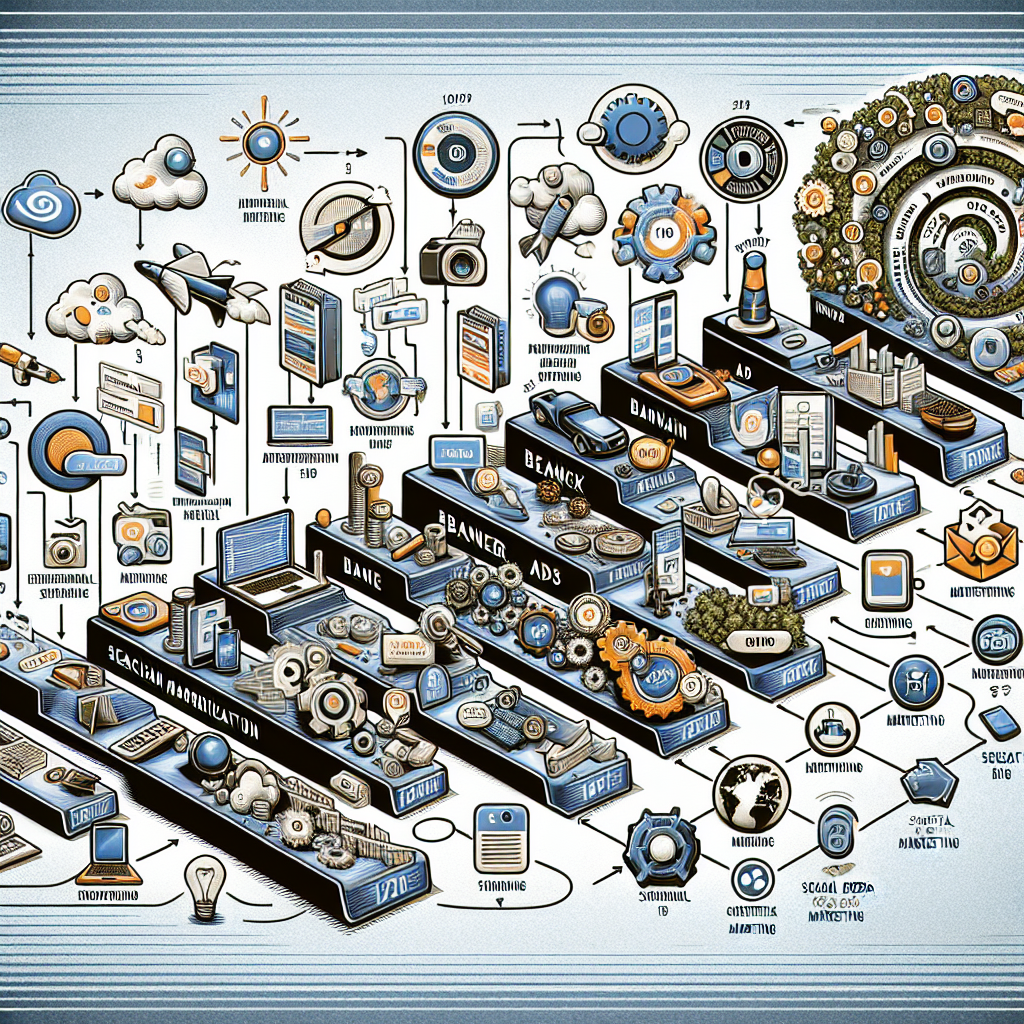
As we look towards the horizon, it’s clear that the future of internet marketing will be shaped by emerging technologies and evolving consumer behaviors. Businesses that adapt to these changes will be better positioned to grow and thrive in the competitive digital landscape. One of the most significant trends is the rise of artificial intelligence (AI) and machine learning, which are set to revolutionize the personalization of customer experiences. By analyzing vast amounts of data, AI can help businesses predict consumer behavior and automate tailored marketing campaigns.
Another trend to watch is the increasing importance of voice search optimization. With the popularity of smart speakers and virtual assistants, optimizing for voice search will become crucial for businesses to ensure their content is easily discoverable in spoken queries.
Video content, already a powerful marketing tool, is expected to dominate even more, as platforms like TikTok and Instagram Reels continue to expand. Brands will need to become more adept at creating engaging, short-form video content to capture the attention of their audiences.
Moreover, the integration of augmented reality (AR) and virtual reality (VR) in marketing campaigns can offer immersive experiences that enhance brand storytelling and product visualization. This could revolutionize the way customers interact with products before making a purchase.
As these trends continue to unfold, staying ahead in internet marketing will require innovation, agility, and a deep understanding of the digital ecosystem. For businesses seeking to leverage these future trends to achieve absolute web success, partnering with experts in the field can be a game-changer.
At Guru-is.com, we are dedicated to empowering businesses through innovative web design and forward-thinking internet marketing strategies. If you’re ready to harness the power of the latest trends and drive real business growth, Get a quote today and let us help you navigate the future of internet marketing.

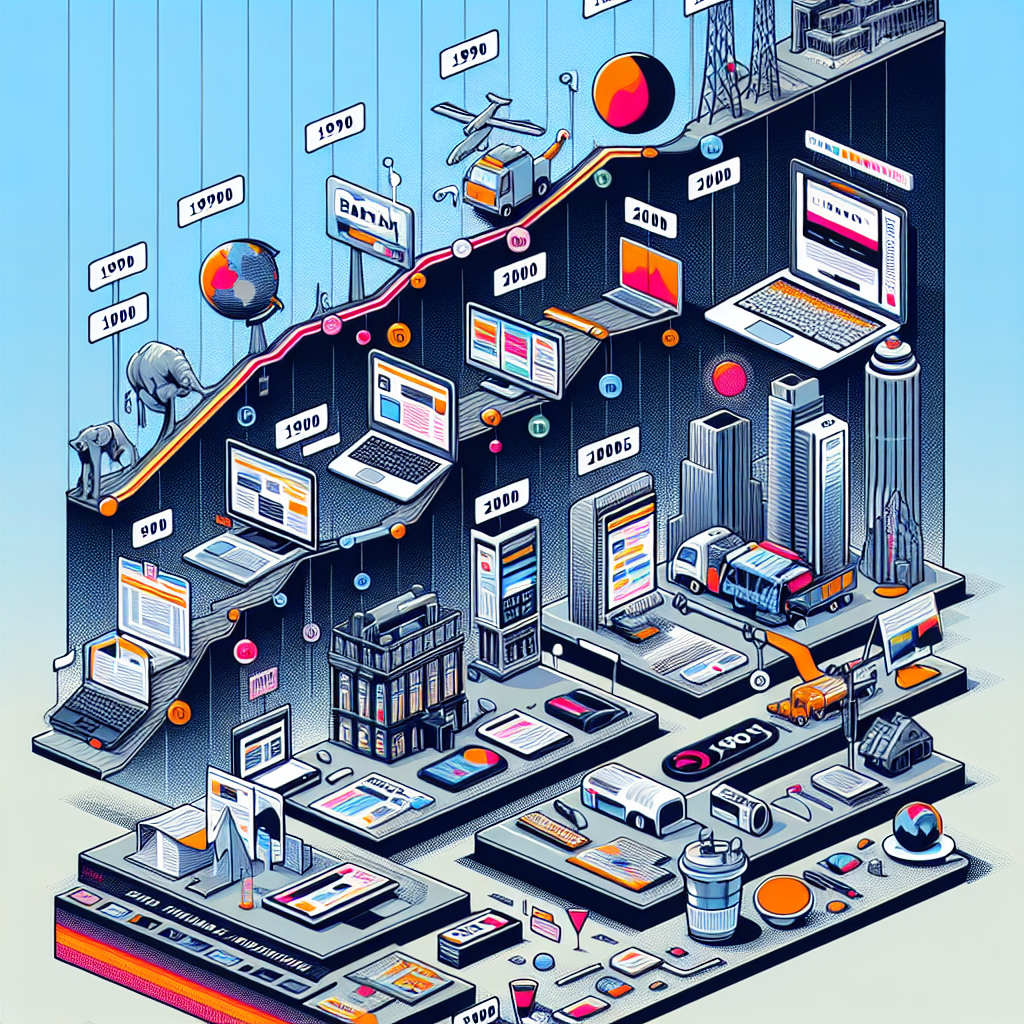
As we delve into the dynamic world of website design, it’s crucial to understand its evolution. The digital landscape has witnessed remarkable transformations since the dawn of the internet. From the static web pages of the early 2000s to today’s interactive and responsive designs, the journey of web design has been nothing short of revolutionary. In 2024, these changes are not just about aesthetics; they embody the shifting ways users interact with the web and how businesses leverage online platforms for growth.
Embracing the latest trends in website design, businesses can craft online experiences that captivate visitors, encourage engagement, and ultimately drive conversions. Whether it’s through the integration of advanced technologies or the implementation of minimalist principles, the objective remains consistent – to deliver a seamless and impactful user experience. As we explore the top trends in website design for this year, we will uncover the elements that are essential for any business looking to make a powerful statement online.
At Guru-is.com, our mission is to empower your business with innovative web solutions that stand the test of time. Since 1999, we’ve been at the forefront of website design, constantly evolving to meet the needs of our clients. If you’re ready to transform your online presence and achieve absolute web success, don’t hesitate to Get a quote from our team of experts.
The philosophy of ‘less is more’ has taken center stage in the realm of website design as we embrace minimalism. This trend prioritizes clean, uncluttered layouts, focusing on essential elements to achieve a sleek and professional look. The minimalist approach emphasizes the importance of whitespace, which is not merely emptiness, but a powerful design element that enhances readability and guides users’ attention to the most vital parts of your website.
With the adoption of minimalist design, websites become faster to load and easier to navigate, offering a user-friendly experience that is both aesthetically pleasing and functional. This trend also aligns with the mobile-first approach, as minimalism ensures that sites remain attractive and accessible on smaller screens without overwhelming users with excessive content or complex navigation.
Furthermore, a minimalist website often translates to a timeless quality, keeping your site relevant and engaging regardless of fleeting design fads. It’s about stripping down to the essentials and allowing your content to shine. By focusing on simplicity, businesses can effectively communicate their message without distraction, ensuring that the user’s journey on their site is straightforward and enjoyable.
Artificial Intelligence (AI) and Machine Learning (ML) are revolutionizing website design by enabling more personalized and dynamic user experiences. The incorporation of these advanced technologies allows websites to learn from user interactions, adapting content and functionalities to better meet individual needs. As AI and ML continue to advance, we’re witnessing the birth of websites that can predict user preferences, provide intelligent recommendations, and even automate design processes.
AI-powered chatbots have become a staple for customer service, offering instant responses and support. This technology has evolved to the point where interactions with bots are becoming increasingly human-like, improving engagement and user satisfaction. Moreover, AI is now being used in the development phase of web design, with algorithms capable of generating design elements based on user data, significantly reducing the time and effort required from designers.
Machine Learning algorithms, on the other hand, are being utilized to analyze vast amounts of data to uncover insights about user behavior. This data-driven approach helps designers create more effective user interfaces by predicting trends and user actions. As a result, websites are not only becoming more intuitive and efficient but are also offering a level of personalization that was once impossible.
In the realm of website design, the shift towards a mobile-first approach is not just a trend; it’s a fundamental change in how sites are created and structured. With the majority of internet traffic now coming from mobile devices, designers are prioritizing responsiveness and mobile usability from the outset. This ensures that websites provide an optimal experience across a range of devices, particularly on the smaller screens of smartphones and tablets.
Mobile-first design involves designing an online experience for mobile before scaling up to larger screens, which contrasts with the traditional approach that started with desktop designs. This paradigm shift is critical because it addresses the constraints and navigational considerations unique to mobile usage, such as touch interfaces and limited screen real estate. By focusing on mobile, designers can ensure that the most essential elements of a site are accessible and user-friendly, regardless of the device being used.
Implementing a mobile-first strategy also positively impacts search engine rankings. Search engines like Google have adopted mobile-first indexing, which means the mobile version of a site is considered the primary version when evaluating relevance and ranking. As such, a responsive design is not just a matter of user convenience but also a vital component of SEO strategy.
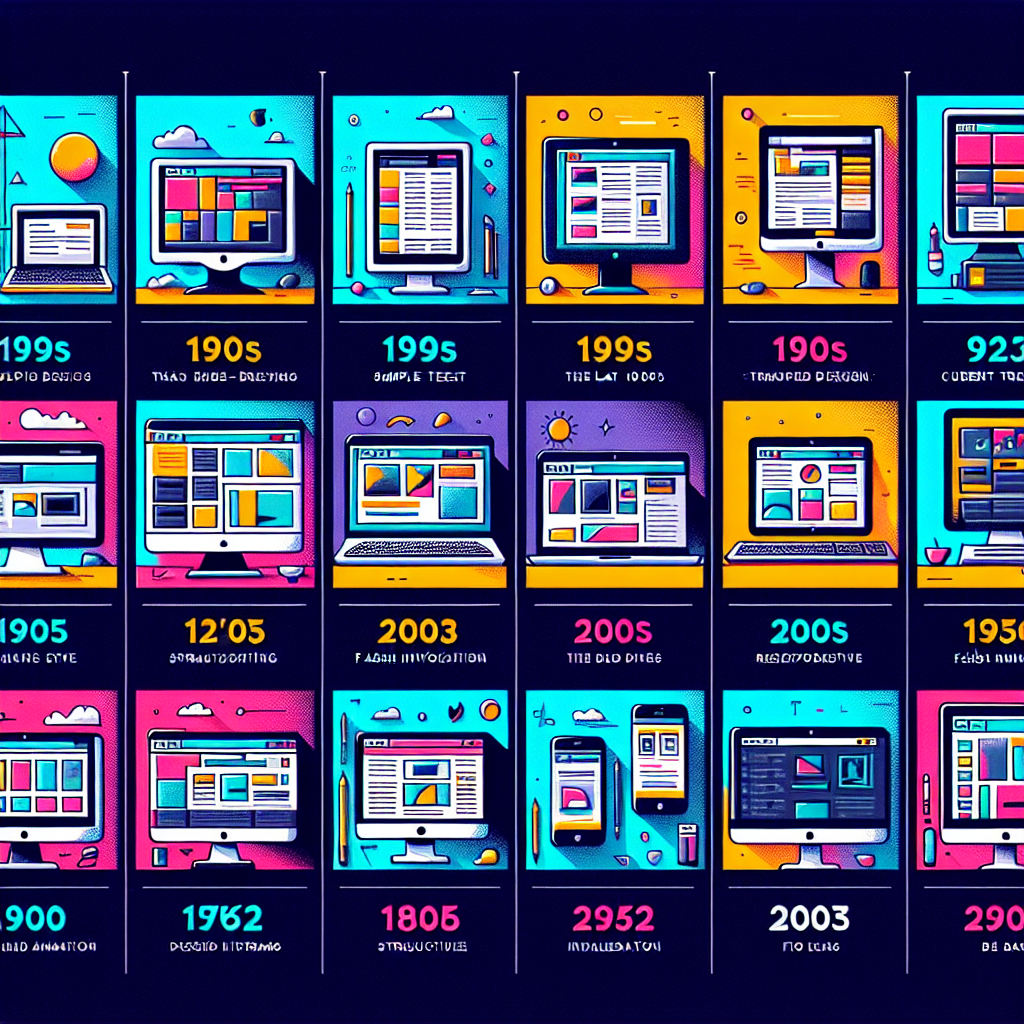
As we delve further into 2024, website design continues to evolve, and one of the most engaging trends is the use of advanced interactivity and micro-animations. These subtle yet powerful design elements capture users’ attention and enhance their experience by bringing websites to life. When applied thoughtfully, micro-animations provide visual cues that guide users through their interactions with a website, making the experience not only more intuitive but also more rewarding.
Micro-animations serve various functions; from indicating a successful form submission to drawing attention to important calls to action, they help reduce cognitive load for users. For example, a button that animates on hover can signal to users that it is clickable, improving usability. Advanced interactivity, on the other hand, can include scroll-triggered animations or dynamic content loading, which adds a layer of depth and engagement to the browsing experience.
However, it’s crucial that these animations and interactive elements are used sparingly and strategically. Overuse can lead to distraction and even frustration, especially if it affects the website’s loading time or overall performance. The key is to strike a balance, ensuring that the animations serve a purpose and enhance the user’s journey, rather than merely serving as decoration. When done correctly, they can be a powerful tool for storytelling and branding, making a website not just a platform, but an experience to remember.

Embracing sustainability in website design has become more than just a trend; it’s an essential practice for businesses looking to demonstrate their commitment to eco-friendly initiatives. As we navigate 2024, sustainable web design practices are gaining traction, recognizing the impact of digital products on the environment. Websites optimized for energy efficiency not only load faster and provide a better user experience but also reduce carbon footprints by using less energy.
Key practices in sustainable web design include optimizing images and videos for faster loading times, utilizing green hosting providers that run on renewable energy, and implementing coding best practices that minimize server requests. Additionally, the use of dark mode options not only reduces screen glare and saves battery life but also consumes less energy. By prioritizing accessibility and usability, designers can ensure that their websites are not only environmentally conscious but also inclusive.
Including sustainability as a core aspect of your brand’s online presence can resonate with environmentally conscious consumers, reflecting a responsible and forward-thinking business approach. If you’re inspired to make your website part of this positive change, get a quote at Guru-is.com. Our team is dedicated to crafting websites that are not only visually stunning and user-friendly but also aligned with the best practices for eco-friendly web design. Join us in leading the way towards a more sustainable digital future.