
Congratulations on Taking the First Step
to More Digital Visibility!
Then next step is to schedule a Strategy session...

In the rapidly evolving world of online shopping, WooCommerce has emerged as a preferred choice for many e-commerce entrepreneurs. This powerful plugin for WordPress offers a flexible, customizable, and scalable solution for businesses of all sizes. Whether you’re launching a new store or looking to enhance an existing one, understanding the intricacies of WooCommerce is crucial.
WooCommerce’s popularity stems from its open-source nature, allowing businesses to tailor their stores to meet unique needs. By leveraging the vast array of plugins and themes available, store owners can create a personalized shopping experience that delights customers and drives sales. However, to truly harness the potential of WooCommerce, one must dive deeper into its features and optimization techniques.
Launching a WooCommerce store requires careful planning and execution. First and foremost, selecting the right hosting provider is critical. A reliable host ensures your website remains fast and responsive, which is essential for both user experience and search engine rankings. Look for hosting options that offer WooCommerce-specific features, such as built-in caching and automatic updates.
Once your hosting is sorted, focus on choosing a theme that aligns with your brand and offers a seamless user experience. Themes like Storefront, Flatsome, and Astra are popular choices due to their compatibility with WooCommerce and customization capabilities. Ensure the theme you select is mobile-friendly, as an increasing number of shoppers use their smartphones for online purchases.
Another key aspect is setting up essential plugins that enhance functionality. From payment gateways to shipping solutions, WooCommerce offers a wide range of plugins to cater to your store’s needs. Carefully assess the plugins to ensure they align with your business goals and provide a seamless shopping experience.
The product page is where the magic happens. It’s crucial to optimize this page to convert visitors into buyers. Start with high-quality product images that showcase your items from multiple angles. Use zoom features to allow customers to inspect details closely, enhancing their confidence in the purchase.

Product descriptions should be detailed and engaging, highlighting the unique selling points and benefits. Incorporate keywords naturally to improve search visibility and cater to the needs of both customers and search engines. Additionally, enable customer reviews, as they build trust and can significantly influence purchasing decisions.
Search engine optimization is a vital component of e-commerce success. With WooCommerce, there are several strategies you can employ to boost your store’s visibility. Start by optimizing your product titles and descriptions with relevant keywords. Use structured data markup to help search engines understand your content better, improving your chances of appearing in rich snippets.
Another effective strategy is to focus on creating high-quality, unique content. Blog posts, buying guides, and video tutorials not only provide value to customers but also increase your chances of ranking higher in search results. Regularly update your content to keep it fresh and relevant, encouraging both search engines and customers to visit your site frequently.
Technical SEO aspects should not be overlooked. Ensure your site is fast-loading, as page speed is a critical ranking factor. Utilize tools like PageSpeed Insights to identify and rectify any speed issues. Implementing an SSL certificate is also essential, as it secures customer data and builds trust, which can positively impact your search rankings.
In a digital marketplace, trust is paramount. Integrating social proof elements into your WooCommerce store can significantly enhance credibility and encourage conversions. Display customer testimonials prominently on your homepage and product pages. Positive reviews and ratings serve as powerful endorsements that influence potential buyers.
Another effective tactic is to showcase trust badges and certifications, such as secure payment icons and affiliations with reputable organizations. These elements reassure customers of your store’s legitimacy and security, making them more likely to complete a purchase.

Personalization is a game-changer in e-commerce. By tailoring the shopping experience to individual preferences, you can increase engagement and foster customer loyalty. WooCommerce offers various plugins and tools to help you implement personalized recommendations, dynamic pricing, and targeted email marketing campaigns.
Use data analytics to understand customer behavior and preferences. Segment your audience based on purchase history, browsing patterns, and demographics to deliver personalized content and offers. For example, sending personalized follow-up emails with product recommendations can significantly boost repeat sales and customer retention.
Marketing plays a crucial role in driving traffic and generating sales for your WooCommerce store. Social media marketing, email campaigns, and influencer collaborations are just a few strategies to consider. Leverage platforms like Facebook and Instagram to reach a broader audience and engage with potential customers through eye-catching visuals and compelling content.
Email marketing remains a powerful tool for nurturing leads and encouraging repeat purchases. Segment your email list and send targeted campaigns based on customer preferences and behavior. Automated emails, such as abandoned cart reminders and post-purchase follow-ups, can significantly enhance your marketing efforts and increase conversion rates.
Achieving e-commerce success with WooCommerce requires a strategic approach and a deep understanding of the platform’s capabilities. From setting up a visually appealing and functional store to implementing effective SEO and marketing strategies, each step plays a crucial role in driving sales and building a loyal customer base.
By continuously optimizing your WooCommerce store and staying updated with the latest trends and technologies, you can stay ahead of the competition and unlock the full potential of your e-commerce venture. Whether you’re a seasoned entrepreneur or a newcomer to the online retail space, embracing these best practices will pave the way for long-term success.

One of the most significant advantages of WooCommerce is its compatibility with a wide range of third-party tools and services. These integrations can greatly enhance your store’s functionality and streamline operations. For instance, integrating a customer relationship management (CRM) system can help you manage customer data more efficiently, allowing for better-targeted marketing efforts and improved customer service.
Consider incorporating analytics tools like Google Analytics and Hotjar to gain deeper insights into customer behavior and website performance. These tools can help identify bottlenecks in the shopping process, optimize conversion rates, and enhance the overall user experience. Additionally, integrating inventory management software ensures your stock levels are always up-to-date, preventing overselling and improving order fulfillment efficiency.
WooCommerce offers an extensive library of extensions that cater to a variety of business needs. From advanced reporting tools to subscription management and loyalty programs, these extensions allow you to customize your store to suit your specific requirements. For instance, the WooCommerce Subscriptions extension is perfect for businesses offering monthly or annual service plans.
Another powerful extension is WooCommerce Bookings, which enables businesses to offer appointments and reservations directly through their site. This is particularly beneficial for service-based businesses like salons, consultants, or rental services. By selecting the right extensions, you can provide a more comprehensive and engaging shopping experience, ultimately driving customer satisfaction and loyalty.
Security is a paramount concern for any e-commerce business. With the increase in cyber threats, it’s crucial to implement robust security measures to protect your WooCommerce store and customer data. Start by ensuring your site is hosted on a secure server and regularly updated to the latest WordPress and WooCommerce versions.
Utilize security plugins like Wordfence or Sucuri to actively monitor and protect your store from potential threats. These plugins offer features such as firewall protection, malware scanning, and login security. Additionally, encourage strong password policies for both customers and staff, and consider implementing two-factor authentication for added protection.

Regularly back up your website data using tools like UpdraftPlus or BackupBuddy. In the event of a security breach or data loss, having recent backups can significantly reduce downtime and recovery efforts. By prioritizing security, you not only protect your store but also build trust with your customers, reassuring them that their information is safe.
The e-commerce landscape is constantly evolving, with new technologies and consumer trends emerging regularly. To remain competitive, it’s essential to stay informed and adapt to these changes. One way to do this is by keeping an eye on industry news and updates from trusted sources such as e-commerce blogs and industry reports.
Consider experimenting with the latest technologies, such as augmented reality or voice search, to enhance the shopping experience. Additionally, embrace the growing trend of social commerce by integrating your WooCommerce store with social media platforms, allowing customers to shop directly from your social channels.
Regularly seek feedback from your customers to understand their needs and preferences better. Use this information to refine your product offerings, improve customer service, and innovate your marketing strategies. By staying agile and responsive to market trends, you position your store for sustained growth and success.
Exceptional customer support is a cornerstone of any successful e-commerce business. Providing timely and effective assistance can significantly enhance the shopping experience, leading to increased customer satisfaction and loyalty. Implementing a robust support system within your WooCommerce store is crucial.
Consider integrating live chat support to provide customers with immediate assistance during their shopping journey. Tools like LiveChat or Tidio can be seamlessly added to your WooCommerce store, offering real-time communication that resolves queries and issues quickly. Additionally, ensure your contact information is easily accessible, and provide multiple support channels, such as email and phone support.

Invest in creating a comprehensive FAQ section on your website, addressing common customer queries and concerns. This not only reduces the volume of support requests but also empowers customers to find solutions independently. By prioritizing customer support, you not only enhance the shopping experience but also build a strong reputation that fosters trust and loyalty.
As your WooCommerce store gains traction, scaling becomes a priority. Expanding your product line, entering new markets, or increasing marketing efforts are just a few strategies to consider. Conduct thorough market research to identify opportunities for growth and assess the feasibility of expanding your business operations.
Consider leveraging automation tools to streamline processes and improve efficiency. From automated email marketing campaigns to inventory management, automation can free up valuable time and resources, allowing you to focus on strategic growth initiatives. Additionally, explore partnerships or collaborations with complementary businesses to reach new audiences and diversify your customer base.
Finally, continuously analyze your store’s performance metrics to identify areas for improvement. Use data-driven insights to optimize your marketing strategies, product offerings, and customer experience. By adopting a proactive approach to scaling, you position your WooCommerce store for long-term success and sustainability.
WooCommerce offers a dynamic and versatile platform for building and growing a successful e-commerce business. By understanding its features, optimizing your store, and staying informed about industry trends, you can create a shopping experience that delights customers and drives sales.
As you embark on your e-commerce journey with WooCommerce, remember that success is not a destination but an ongoing process. Continuously refine your strategies, embrace innovation, and prioritize customer satisfaction to unlock the full potential of your online store. With dedication and the right approach, WooCommerce can be the key to achieving e-commerce success and realizing your business goals.
Need help with Achieving E-commerce Success with WooCommerce: Secrets Revealed by Guru Internet Services?

WordPress has emerged as one of the most popular content management systems (CMS) in the world, powering over 40% of all websites on the internet. Its user-friendly interface, flexible customization options, and a vast ecosystem of plugins and themes make it an ideal choice for both beginners and seasoned developers. In this post, we’ll explore how harnessing the power of WordPress can lead to efficient and robust website development.
Whether you’re building a personal blog, an e-commerce store, or a corporate website, WordPress offers a range of tools and resources to bring your vision to life. By understanding its capabilities and leveraging its strengths, you can create a high-performing website that meets your specific needs.
WordPress is renowned for its simplicity and ease of use, characteristics that make it accessible to individuals without extensive technical expertise. Its intuitive interface allows users to create and manage content effortlessly, reducing the learning curve for new users. Developers, on the other hand, appreciate WordPress’s flexibility, making it a preferred choice for custom development projects.
One of the standout features of WordPress is its open-source nature. As an open-source platform, it fosters a collaborative environment where developers can contribute to its continuous improvement. This community-driven approach ensures that WordPress remains at the forefront of web development technologies, continually evolving to meet the changing demands of users and developers alike.
WordPress offers unparalleled customizability, allowing developers to tailor websites to specific requirements. With thousands of themes and plugins available, you can extend the functionality of your site without starting from scratch. Themes control the visual appearance, while plugins add specific features, such as contact forms, SEO enhancements, and social media integration.
For developers looking to create unique solutions, WordPress’s extensive documentation and support for custom code make it easy to implement individualized features. This flexibility ensures that your website can grow and adapt as your business evolves.
WordPress is built with search engine optimization (SEO) in mind, helping your website rank higher in search engine results. Its clean code and logical structure make it easy for search engines to crawl and index your content. Additionally, WordPress offers numerous SEO plugins that provide advanced optimization tools, such as keyword analysis, metadata management, and XML sitemap generation.

By taking advantage of these SEO capabilities, you can improve your website’s visibility and attract more organic traffic. This is particularly important in today’s competitive online landscape, where standing out from the crowd can significantly impact your success.
Efficiency is a key consideration in website development, and WordPress excels in providing tools and techniques to streamline the process. The platform’s ecosystem of themes and plugins allows for rapid prototyping and deployment, reducing development time and costs.
Furthermore, WordPress’s extensive marketplace of third-party plugins enables you to add complex functionalities without the need for extensive coding. This modular approach allows developers to focus on building core features, rather than reinventing the wheel for common tasks.
In today’s mobile-first world, ensuring that your website is responsive and mobile-friendly is essential. WordPress themes are designed with responsive design principles in mind, ensuring that your website looks great on all devices, from desktops to smartphones.
By choosing a responsive theme, you can provide a seamless user experience, regardless of the device your visitors use. Mobile optimization is crucial for maintaining low bounce rates and high conversion rates, directly impacting your site’s overall performance and success.
Security is a top priority for any website owner, and WordPress takes this responsibility seriously. Regular updates, security patches, and community-driven security measures ensure that WordPress remains a secure platform for website development.
To further enhance security, WordPress provides numerous plugins designed to protect against common threats such as malware and brute force attacks. Implementing these security measures is essential for safeguarding your data and maintaining user trust.

Creating a robust WordPress website involves more than just installing themes and plugins. It requires careful planning, thoughtful design, and a strategic approach to content and functionality.
Start by defining your website’s goals and target audience. Understanding your audience’s needs will guide your design and content decisions, ensuring that your website resonates with visitors and achieves its intended purpose.
Content is the backbone of any website, and WordPress offers a variety of tools to manage and optimize your content effectively. Use categories and tags to organize your posts, making it easy for visitors to find relevant information. Additionally, WordPress supports multimedia content, allowing you to incorporate images, videos, and audio to enhance your site’s engagement.
Consistency is key when it comes to content strategy. Regular updates and quality content will keep your audience engaged and encourage return visits. Consider implementing a content calendar to plan and schedule your posts, ensuring a steady stream of fresh content.
Website performance is a critical factor in user experience and search engine ranking. Slow-loading websites can lead to high bounce rates and lost revenue. WordPress provides several tools and plugins to help optimize your site’s performance.
Caching plugins, for example, can significantly improve load times by storing static versions of your pages and serving them to visitors, reducing server load. Additionally, optimizing images and using a content delivery network (CDN) can further enhance your site’s speed and reliability.
WordPress is a powerful platform that offers a wealth of tools and resources for efficient and robust website development. Its flexibility, customizability, and user-friendly interface make it an ideal choice for projects of all sizes and complexities.
By harnessing the power of WordPress, you can create a website that not only meets your current needs but also grows and evolves with your business. Whether you’re a seasoned developer or a novice just starting out, WordPress provides the foundation you need to build a successful online presence.

As you embark on your WordPress journey, remember to leverage the wealth of knowledge and support available through the WordPress community. Engaging with other developers, participating in forums, and exploring official documentation will enhance your skills and help you make the most of this versatile platform.
While WordPress offers a wide array of themes and plugins, advanced customization can take your website to the next level. Customizing your own themes or developing custom plugins can provide unique functionality and aesthetics tailored specifically to your brand’s needs.
For developers, using the WordPress REST API opens up new possibilities for integrating external applications and services. This API allows for seamless data exchange between your WordPress site and other platforms, enabling you to build complex and dynamic web applications.
Creating a child theme is a common practice in WordPress development that allows you to modify an existing theme without losing changes during updates. By creating a child theme, you can customize the appearance and functionality of your site while preserving the original theme’s integrity.
To create a child theme, you’ll need to set up a new directory in your WordPress themes folder and include a style.css file with the necessary header information. Once your child theme is ready, you can begin adding custom styles and functions to achieve your desired look and behavior.
Page builders have revolutionized the way users create and edit content in WordPress. With drag-and-drop interfaces and pre-built modules, page builders like Elementor and Beaver Builder provide a visual way to design pages without coding.
These tools are especially beneficial for users who want to create complex layouts and interactive elements quickly. By using a page builder, you can enhance your site’s design and functionality while maintaining ease of use.

The rise of online shopping has made e-commerce an essential component for many businesses. WordPress, combined with plugins like WooCommerce, offers a powerful platform for building and managing an online store.
WooCommerce transforms your WordPress site into a fully functional e-commerce platform. It supports a wide range of payment gateways, shipping options, and inventory management tools, making it a comprehensive solution for online retailers.
WooCommerce is highly extensible, with numerous extensions available to add specific features to your store. Whether you need advanced product options, subscription models, or multilingual support, there’s likely an extension to meet your needs.
For developers, WooCommerce’s hooks and filters allow for further customization and integration with third-party services. By leveraging these tools, you can create a tailored e-commerce experience that aligns with your business objectives.
Conversion rate optimization (CRO) is crucial for maximizing the success of your e-commerce store. WordPress and WooCommerce provide several tools to enhance the user experience and boost conversions.
Consider implementing A/B testing to identify the most effective design and content strategies. Additionally, ensure that your store is mobile-friendly, as a significant portion of online shopping occurs on mobile devices.
The WordPress ecosystem is supported by a vibrant community of developers, designers, and enthusiasts. This community plays a crucial role in WordPress’s ongoing development and offers a wealth of resources for users at all levels.

Whether you’re seeking technical support or looking to improve your skills, the WordPress community provides numerous opportunities for learning and collaboration.
WordPress meetups and conferences, such as WordCamps, are excellent opportunities to connect with other users and learn from experts. These events offer a platform to share knowledge, network with peers, and stay updated on the latest developments in the WordPress world.
Attending these events can provide valuable insights and inspiration, helping you stay ahead in the ever-evolving landscape of web development.
In addition to in-person events, a plethora of online resources are available to help you master WordPress. Websites like the WordPress Codex and developer blogs provide comprehensive guides and tutorials on various aspects of WordPress development.
Online forums and communities, such as the WordPress subreddit and Stack Exchange, offer platforms for asking questions and sharing knowledge. Engaging with these resources can accelerate your learning and help you overcome any challenges you encounter.
As the digital landscape continues to evolve, WordPress remains a powerful and adaptable platform for website development. Its extensive capabilities, coupled with a thriving community, make it an invaluable tool for developers and businesses alike.
By embracing WordPress, you can create websites that are not only visually appealing but also highly functional and optimized for performance. Whether you’re building a simple blog or a complex enterprise solution, WordPress provides the foundation you need to succeed.
Stay committed to learning and experimenting with new features and techniques. By doing so, you’ll unlock the full potential of WordPress and continue to deliver exceptional web experiences that meet the needs of your users and clients.
Need help with Harnessing the Power of WordPress for Efficient and Robust Website Development?
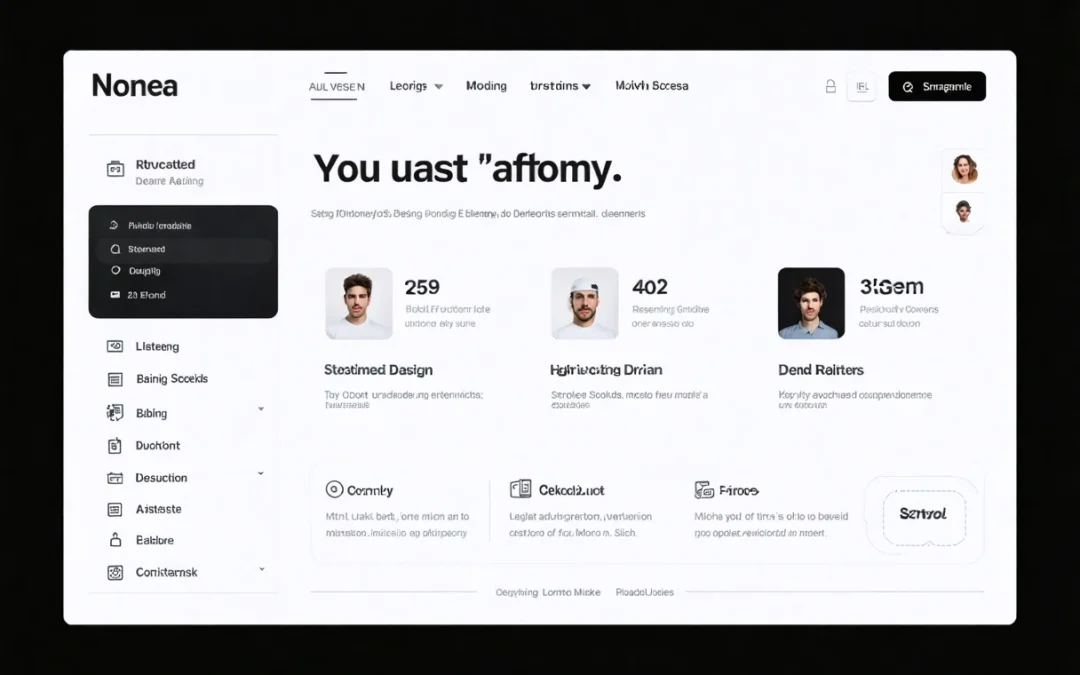
In the digital age, the role of website design has transcended mere aesthetics. While an appealing design remains critical for capturing user interest, its strategic importance in search engine optimization (SEO) and lead generation cannot be overstated. An effective website design is a powerful tool that enhances usability, improves search engine rankings, and boosts lead generation. This post delves into the strategic significance of website design beyond aesthetics, focusing on its impact on SEO and its role in generating leads.
Website design and SEO are intrinsically linked. A well-designed website not only enhances user experience but also aligns with the technical requirements of search engines. Key design elements such as site architecture, mobile responsiveness, and loading speed play critical roles in how search engines rank a website. Search engines like Google prioritize sites that offer seamless user experiences, making it crucial for designers to integrate SEO principles right from the design phase.
For instance, a clean and intuitive site architecture allows search engines to crawl and index pages effectively, improving visibility in search results. Furthermore, the use of structured data and schema markup enhances the way search engines interpret the content, potentially leading to better ranking positions.
In today’s mobile-first world, responsive design is not just an option but a necessity. Google’s mobile-first indexing means that the search engine primarily uses the mobile version of a site’s content for indexing and ranking. A responsive design ensures that a website provides a consistent user experience across all devices, which is critical for maintaining and improving search rankings. Websites that are not mobile-friendly risk losing visibility in search engine results pages (SERPs), directly impacting traffic and lead generation.
Implementing a responsive design involves flexible layouts, fluid grids, and media queries that adjust the website’s appearance based on the user’s device. This approach not only enhances user experience but also reduces bounce rates, a factor that search engines consider when ranking websites.

Website loading speed is another crucial factor influencing SEO. Slow-loading websites frustrate users and lead to high bounce rates, which negatively affects search rankings. According to Google, page speed is a ranking factor for both desktop and mobile searches, highlighting the importance of optimizing every element of a website to ensure fast load times.
Optimizing images, leveraging browser caching, and minimizing JavaScript are some strategies to enhance loading speed. Moreover, using a content delivery network (CDN) can significantly improve load times by reducing latency through geographically distributed servers.
Beyond enhancing SEO, an effective website design plays a pivotal role in lead generation. A strategically designed website guides visitors through a seamless journey, encouraging them to take desired actions such as signing up for newsletters, downloading resources, or making purchases. Each of these actions is a potential lead that can be nurtured into a customer.
The design elements that contribute to lead generation include compelling calls-to-action (CTAs), simplified navigation, and strategically placed forms. By understanding the user journey and designing each page with a clear purpose, businesses can increase conversions and generate more leads.
The call-to-action is a critical component of lead generation. Effective CTAs are visually distinct and clearly communicate the action you want the user to take. They are strategically placed where users are most likely to engage with them, such as at the end of informative sections or near relevant content. Using action-oriented language and creating a sense of urgency can further enhance the effectiveness of CTAs.
Moreover, personalizing CTAs based on user behavior can significantly improve conversion rates. For example, dynamic CTAs that change based on user interactions can provide a more personalized experience, increasing the likelihood of engagement.

A user-centric website design focuses on the needs and behaviors of the target audience. By prioritizing ease of use and intuitive navigation, businesses can create a more engaging experience that encourages users to explore and interact with the site. This approach not only improves lead generation but also builds trust and credibility with the audience.
Utilizing usability testing during the design process can provide valuable insights into user behavior, helping designers create interfaces that meet the needs of the target audience. By continuously refining the design based on user feedback, businesses can enhance engagement and improve lead generation outcomes.
Content and design are two sides of the same coin when it comes to effective website strategy. While design grabs attention and aids navigation, content provides the value that keeps users engaged. The synergy between content and design is crucial for both SEO and lead generation, as it ensures that users find what they are looking for quickly and easily.
Design elements such as typography, color schemes, and layout should complement the content, enhancing readability and engagement. Additionally, using visual elements like images, videos, and infographics can make content more digestible and appealing, catering to different user preferences and learning styles.
Integrating SEO-optimized content into the design involves using relevant keywords naturally within the text, optimizing meta tags, and ensuring that content is structured with appropriate headings and subheadings. This not only improves search engine visibility but also enhances user experience by providing clear and informative content.
Furthermore, internal linking within the content helps users navigate related topics on the site, increasing time spent on the site and reducing bounce rates. This practice not only aids in SEO but also enhances the overall user experience, contributing to better lead generation.

Visual storytelling is a powerful tool in website design that enhances user engagement and interaction. By using visuals to convey stories and messages, businesses can connect with their audience on an emotional level, making the content more memorable and impactful. Infographics, videos, and interactive elements can transform complex information into easily digestible formats, capturing the user’s attention and encouraging further exploration.
Ensuring that these visual elements are optimized for search engines is critical. This involves using descriptive alt texts for images, optimizing video content for faster loading, and ensuring that interactive elements are accessible on all devices.
The strategic role of website design in SEO and lead generation extends far beyond aesthetics. A well-designed website is an integral part of a comprehensive digital strategy, enhancing user experience, improving search engine visibility, and driving lead generation efforts. By focusing on responsive design, optimizing loading speeds, crafting effective calls-to-action, and integrating content seamlessly, businesses can create a website that not only attracts visitors but also converts them into loyal customers.
Ultimately, the synergy between design, SEO, and content is the key to developing a website that not only looks great but also performs exceptionally well in meeting business objectives. By leveraging the strategic aspects of website design, businesses can achieve a competitive edge in the digital landscape, driving growth and success.
One critical aspect of a strategic website design is the integration of analytics tools. These tools provide valuable insights into user behavior, helping businesses understand how visitors interact with their site. By analyzing metrics such as bounce rate, average session duration, and conversion rates, businesses can identify areas for improvement and make data-driven decisions to enhance both SEO and lead generation strategies.
Implementing tools like Google Analytics can provide a wealth of information about user demographics, preferred content, and the effectiveness of marketing campaigns. With this data, web designers and marketers can refine their strategies, ensuring that the website not only attracts visitors but also engages and converts them effectively.

A/B testing is a powerful method for optimizing website design and functionality. By creating two versions of a webpage and testing them with different segments of the audience, businesses can determine which version performs better in terms of user engagement and conversion. This iterative approach to design allows for continual improvement based on actual user feedback.
Elements that can be tested include headlines, CTAs, layout structures, and even color schemes. The insights gained from A/B testing can lead to significant improvements in user experience and conversion rates, making it an essential part of any comprehensive web design strategy.
Accessibility is an often overlooked yet crucial component of website design. An accessible website ensures that all users, including those with disabilities, can navigate and interact with the site effectively. This not only broadens the potential audience but also aligns with legal requirements and ethical standards.
Designing for accessibility involves using alt texts for images, ensuring keyboard navigability, and providing adequate color contrast. By prioritizing accessibility, businesses can enhance their reputation, reach a wider audience, and improve overall user experience, ultimately contributing to better SEO performance and lead generation outcomes.
Accessibility and SEO are closely related, as many accessibility features can also improve search engine rankings. For instance, using descriptive alt texts helps search engines understand the content of images, improving their visibility in image search results. Additionally, a well-structured and accessible website is easier for search engines to crawl and index, which can positively impact rankings.

By making a site accessible, businesses not only adhere to legal standards but also create a more inclusive digital environment that caters to a diverse audience, enhancing both user satisfaction and search engine performance.
The landscape of website design is constantly evolving, with emerging technologies and trends shaping how websites are created and optimized. Staying ahead of these trends is crucial for maintaining a competitive edge in SEO and lead generation.
One significant trend is the increasing use of artificial intelligence (AI) and machine learning in web design. These technologies can automate tasks such as personalized content delivery and real-time data analysis, enhancing user experience and engagement. Additionally, AI-powered chatbots are becoming more prevalent, providing instant customer support and improving user interaction on websites.
Another emerging trend is the rise of voice search, driven by the increasing popularity of smart speakers and voice-activated devices. Optimizing for voice search requires a focus on natural language processing and conversational keywords, influencing both content and design strategies.
As voice search continues to grow, businesses must adapt their website design and content to meet the needs of voice search users, ensuring that their sites remain relevant and accessible in a rapidly changing digital landscape.
In conclusion, the strategic role of website design in SEO and lead generation is multifaceted and dynamic. By integrating analytics, embracing accessibility, and staying ahead of emerging trends, businesses can create powerful websites that not only attract but also engage and convert their target audience.
Need help with Beyond Aesthetics: The Strategic Role of Website Design in SEO and Lead Generation?

As we step into 2026, the digital landscape continues to evolve at an unprecedented pace. Businesses are not just expected to have an online presence; they are expected to excel and stand out in an increasingly competitive virtual marketplace. A significant aspect of this evolution is proprietary website development, which has become a cornerstone for businesses aiming to enhance their digital footprint. This in-depth exploration will delve into the nuances of proprietary website development and how it can significantly elevate your business in 2026.
Proprietary website development refers to the creation of a website using exclusive tools, frameworks, and technologies that are privately owned by a company. Unlike open-source platforms, proprietary solutions provide unique advantages such as enhanced security, customizability, and performance optimization. These elements are crucial for businesses that wish to maintain a competitive edge in the digital arena.
In 2026, the demand for tailored web experiences is at an all-time high. Consumers expect personalized interactions, seamless navigation, and flawless performance. Proprietary development allows businesses to meet these expectations by offering bespoke solutions that cater specifically to their target audience. By leveraging proprietary technologies, companies can create unique user experiences that foster customer loyalty and drive engagement.
One of the primary advantages of proprietary website development is security. Open-source platforms, while flexible and widely adopted, are more vulnerable to security breaches due to their publicly accessible code. Proprietary systems, on the other hand, offer a higher level of protection because their code is not available for public scrutiny. This closed environment minimizes the risk of exploitation and ensures that sensitive data remains secure.

Additionally, proprietary development provides unparalleled customization options. Businesses can tailor every aspect of their website—from design to functionality—to align with their brand identity and business objectives. This level of customization is often unattainable with open-source solutions, which can be limited by pre-existing templates and plugins. By investing in proprietary development, companies can differentiate themselves in the marketplace and deliver a distinct brand experience.
Performance is a critical factor in website success. Slow-loading pages and unresponsive features can deter potential customers and negatively impact a company’s reputation. Proprietary solutions are engineered to optimize performance, ensuring that websites load quickly and run smoothly across all devices. This is particularly important in 2026, where user expectations for speed and functionality are higher than ever.
Moreover, proprietary development supports scalability, allowing businesses to grow and expand their digital presence without compromising on performance. As a company evolves, its website must adapt to accommodate increased traffic and new functionalities. Proprietary systems are designed with scalability in mind, providing the flexibility needed to integrate new features and support greater volumes of user traffic.
Several companies have successfully harnessed the power of proprietary website development to elevate their brand and achieve significant growth. A prime example is Apple, which uses a proprietary ecosystem to ensure seamless integration and superior performance across all its platforms. This approach has enabled Apple to offer a consistent and high-quality user experience, reinforcing its position as a leader in the tech industry.
Another case is Netflix, which leverages proprietary algorithms and technologies to deliver personalized content recommendations. By utilizing proprietary development, Netflix can efficiently process vast amounts of data to enhance user engagement and retention. These examples illustrate how proprietary solutions can provide a competitive advantage in various industries.

Looking ahead, the role of proprietary website development will continue to expand. As technologies such as artificial intelligence and machine learning mature, businesses will increasingly rely on proprietary solutions to integrate advanced features and capabilities. These technologies offer opportunities for enhanced personalization, predictive analytics, and intelligent automation, all of which can be seamlessly integrated into proprietary systems.
Furthermore, the rise of cloud computing and the Internet of Things (IoT) will further amplify the need for proprietary development. Businesses will need to create interconnected systems that can communicate efficiently and securely. Proprietary solutions will play a pivotal role in developing these complex infrastructures, enabling businesses to harness the full potential of emerging technologies.
In conclusion, proprietary website development is a strategic investment for businesses aiming to thrive in 2026 and beyond. It offers unmatched security, customization, performance, and scalability, all of which are essential for maintaining a competitive edge in today’s digital landscape. By embracing proprietary solutions, companies can create unique digital experiences that resonate with their audience and drive long-term success.
As we move further into the future, businesses that prioritize proprietary development will be well-positioned to adapt to the ever-changing technological landscape and capitalize on new opportunities. Whether you’re a startup or an established enterprise, investing in proprietary website development can elevate your business to new heights.
For more insights into the future of web development, explore resources like the evolution of the internet and how emerging technologies are reshaping the digital world. By staying informed and proactive, your business can harness the full potential of proprietary development and secure a prosperous future.

While proprietary website development offers numerous advantages, it is essential to consider several factors before embarking on such a project. First and foremost, businesses need to assess their specific needs and objectives. Understanding the purpose of the website and the desired outcomes will guide the development process and ensure that the final product aligns with business goals.
Budget is another critical consideration. Proprietary development can require a significant investment, particularly when compared to open-source alternatives. However, the long-term benefits often outweigh the initial costs. Businesses should carefully evaluate their budget and allocate resources accordingly to maximize the return on investment.
Moreover, selecting the right development partner is crucial. Companies should seek experienced developers with a proven track record in proprietary technologies. This ensures that the project is executed efficiently and to the highest standards. Collaborating with a skilled development team can also facilitate knowledge transfer, enabling internal teams to manage and maintain the website post-launch.
User-centric design is a fundamental component of successful proprietary website development. By prioritizing the needs and preferences of the end-user, businesses can create intuitive and engaging interfaces that enhance the overall user experience. This is achieved through a combination of user research, usability testing, and iterative design processes.
In 2026, the emphasis on user experience has never been greater. Consumers expect seamless interactions and personalized experiences that cater to their individual preferences. Proprietary development allows businesses to implement advanced design features that cater to these expectations, such as interactive elements, dynamic content, and responsive layouts.

Additionally, accessibility is a critical aspect of user-centric design. Proprietary solutions can be tailored to meet accessibility standards, ensuring that all users, including those with disabilities, can access and navigate the website with ease. This inclusivity not only broadens the potential audience but also enhances the brand’s reputation as a socially responsible entity.
One of the most exciting aspects of proprietary website development is the ability to integrate emerging technologies seamlessly. As we progress through 2026, technologies such as virtual reality, augmented reality, and blockchain are becoming more prevalent. Proprietary systems provide the flexibility needed to incorporate these technologies, offering businesses the opportunity to innovate and differentiate themselves in the marketplace.
For instance, virtual reality can be used to create immersive product demonstrations or virtual tours, providing customers with a unique and engaging experience. Augmented reality, on the other hand, can enhance online shopping by allowing users to visualize products in their real-world environment. These technologies not only capture user interest but also drive higher conversion rates and customer satisfaction.
Blockchain technology is another area where proprietary development shines. By integrating blockchain, businesses can enhance security, improve transparency, and streamline operations. This is particularly valuable for industries such as finance and supply chain, where trust and accountability are paramount. Proprietary solutions enable businesses to harness the potential of blockchain, creating decentralized systems that offer competitive advantages.
Despite its many benefits, proprietary website development is not without its challenges. One of the main obstacles is the potential for vendor lock-in. When businesses rely on proprietary technologies, they may become dependent on a single provider, which can limit flexibility and increase costs. To mitigate this risk, companies should negotiate favorable terms and maintain open lines of communication with their development partners.

Another challenge is the rapid pace of technological change. As new technologies emerge, businesses must continually update and adapt their proprietary systems to remain competitive. This requires ongoing investment in research and development, as well as a proactive approach to innovation. By staying ahead of industry trends, companies can anticipate changes and implement solutions that keep them at the forefront of their respective fields.
Lastly, businesses must address the challenge of maintaining and updating proprietary systems. Unlike open-source platforms, which benefit from community support, proprietary solutions require dedicated resources for maintenance and upgrades. Companies should establish a robust support infrastructure and allocate resources to ensure their systems remain secure, efficient, and up-to-date.
In the rapidly evolving digital landscape of 2026, proprietary website development offers a strategic advantage for businesses seeking to differentiate themselves and achieve sustained growth. By prioritizing security, customization, performance, and scalability, proprietary solutions enable companies to create exceptional digital experiences that resonate with their audience.
As emerging technologies continue to reshape the digital world, businesses that embrace proprietary development will be well-positioned to capitalize on new opportunities and navigate the challenges of an ever-changing marketplace. By investing in proprietary solutions, companies can build a strong foundation for future success and secure their place as leaders in their respective industries.
For businesses looking to stay ahead of the curve, exploring resources such as digital business trends can provide valuable insights and strategies for leveraging proprietary development to its fullest potential. By remaining informed and proactive, companies can harness the power of proprietary technologies to elevate their brand and achieve their business objectives in 2026 and beyond.
Need help with How Proprietary Website Development Elevates Your Business in 2026: A Deep Dive?

In today’s rapidly evolving technological landscape, businesses face the critical decision of choosing the right development path for their software needs. While open-source software has gained popularity, proprietary development remains a robust option for many organizations. This tutorial delves into the specific advantages of proprietary development, providing businesses with a comprehensive understanding of why this approach may be beneficial for them.
Proprietary development refers to the creation of software that is owned by a company or individual. Unlike open-source software, which is freely available for anyone to modify and distribute, proprietary software is protected by copyrights and licenses, restricting its use to those who have purchased it or received permission from the owner. This controlled environment offers a unique set of benefits that can be crucial for businesses aiming to maintain competitiveness and security.
Many enterprises opt for proprietary development to ensure that their software solutions are tailored to their specific needs, providing unique functionalities that distinguish them from competitors. This approach can also enhance security measures, as the internal handling of the software reduces the chances of external vulnerabilities.
One of the primary advantages of proprietary development is the ability to customize software to meet the exact needs of a business. Unlike off-the-shelf solutions, proprietary software can be developed with specific features and functionalities that cater to the unique requirements of the company. This level of customization allows businesses to operate more efficiently and effectively, giving them a competitive edge.

For instance, consider a financial services company that requires a unique algorithm for analyzing market trends. By investing in proprietary development, the company can ensure that the software is specifically designed to handle its data sets, providing more accurate and reliable results. This customization extends beyond functionalities to include user interfaces and user experience, enhancing employee productivity and satisfaction.
Security is a paramount concern for businesses, especially those handling sensitive data. Proprietary development offers enhanced security measures, as the source code is not publicly available. This closed environment minimizes the risk of vulnerabilities being exploited by malicious actors. Companies have full control over who can access the software, reducing the likelihood of data breaches.
Moreover, proprietary software allows businesses to implement tailored security protocols that align with their specific needs and compliance requirements. For example, businesses in the healthcare sector can incorporate HIPAA-compliant features directly into their proprietary applications, ensuring patient data is safeguarded according to the latest standards. This control over security features is a significant advantage for industries that are heavily regulated.
Developing proprietary software allows businesses to retain full ownership of their intellectual property. This ownership is crucial for maintaining a competitive advantage, as it prevents competitors from accessing or replicating the software. Companies can protect their innovations and use them as a differentiator in the marketplace.
For example, a tech startup that develops a unique machine learning algorithm can leverage proprietary development to safeguard its innovation. By protecting the software with patents and copyrights, the company ensures that its competitors cannot imitate or utilize its technology without permission. This protection not only secures the company’s market position but also enhances its valuation in the eyes of investors.

Proprietary development typically comes with dedicated support and maintenance services. Vendors of proprietary software usually provide comprehensive customer support, ensuring that any issues are promptly addressed. This support can include regular software updates, bug fixes, and feature enhancements, contributing to a seamless user experience.
Having access to consistent support is particularly beneficial for businesses that rely heavily on their software for day-to-day operations. With proprietary development, companies can ensure that they have a reliable partner to assist with technical challenges, reducing downtime and maintaining productivity. For instance, a manufacturing firm using proprietary software to manage its supply chain can rely on vendor support to resolve any disruptions quickly.
Proprietary development also provides businesses with the scalability needed to support long-term growth. As companies expand, their software needs evolve, requiring additional features and functionalities. Proprietary software can be adapted to accommodate these changes, ensuring that the business’s technological infrastructure remains aligned with its strategic goals.
Consider an e-commerce company experiencing rapid growth. As its customer base increases, the company may need to enhance its software to handle higher traffic volumes and provide additional services such as personalized recommendations. Proprietary development offers the flexibility to scale the software as needed, enabling the company to sustain its growth trajectory without being hindered by technological limitations.
Understanding the advantages of proprietary development is crucial for businesses looking to make informed decisions about their software strategies. While open-source solutions have their merits, proprietary development offers unparalleled levels of customization, security, and control. By investing in proprietary software, businesses can ensure that their technological solutions are tailored to their specific needs, providing a competitive edge in their respective industries.

Ultimately, the choice between proprietary and open-source development depends on the unique requirements and goals of the organization. By carefully evaluating the advantages and potential drawbacks of each approach, businesses can select the path that best aligns with their long-term objectives, ensuring sustained success in an ever-evolving digital landscape.
To better understand the tangible benefits of proprietary development, let’s examine a few case studies where businesses have thrived by adopting this approach. These examples highlight how companies across various industries have successfully leveraged proprietary software to achieve operational excellence and market leadership.
First, consider the example of a logistics company that needed a unique software solution to optimize its delivery routes. Off-the-shelf software options did not provide the level of precision required, so the company invested in proprietary development. By working closely with developers, the company created a customized application that integrated real-time traffic data and historical delivery patterns. This solution not only reduced delivery times but also significantly cut fuel costs, leading to a substantial improvement in overall efficiency.
Another compelling case is that of a healthcare provider that developed proprietary software to manage patient records. The system was designed to comply with stringent industry regulations while offering advanced data analytics capabilities. By having a tailored solution, the provider improved patient care and streamlined administrative processes, setting a benchmark for others in the field.
While proprietary development offers numerous advantages, businesses must be aware of potential challenges and prepare to overcome them. One major challenge is the initial cost of development. Proprietary software often requires a significant upfront investment, which can be daunting for smaller enterprises. However, the long-term benefits of having a tailored solution often justify this expense.

To manage costs effectively, businesses can adopt a phased approach to development, prioritizing essential features in the initial version and gradually incorporating additional functionalities. This strategy allows companies to spread costs over time while reaping the benefits of a customized software solution.
Another challenge is the dependency on the development team for updates and maintenance. Ensuring that the team has a comprehensive understanding of the business’s needs and objectives is crucial for successful collaboration. Establishing clear communication channels and setting realistic expectations can help mitigate potential issues, ensuring that the software remains aligned with the company’s evolving requirements.
As technology continues to advance, the landscape of proprietary development is also evolving. Emerging technologies such as artificial intelligence, machine learning, and the Internet of Things (IoT) are opening new avenues for innovation in proprietary software. Businesses can leverage these technologies to create even more sophisticated and efficient solutions tailored to their unique needs.
For example, AI-powered proprietary software can provide businesses with actionable insights by analyzing vast amounts of data, helping them make informed decisions. Companies in the retail sector can use machine learning algorithms to predict customer preferences and enhance personalized marketing strategies. Similarly, IoT integration in proprietary systems can enable real-time monitoring and control of industrial processes, leading to increased productivity and reduced operational costs.
Moreover, the rise of cloud computing is transforming how businesses approach proprietary development. Cloud-based proprietary solutions offer scalability, flexibility, and access to advanced computing resources, making it easier for companies to manage their software infrastructure. Cloud deployment also facilitates collaboration and remote access, enabling businesses to operate efficiently in an increasingly digital world.

For businesses considering proprietary development, several key considerations must be taken into account to ensure a successful outcome. First and foremost, it’s essential to conduct a thorough needs assessment to identify the specific challenges and objectives that the software must address. This assessment should involve stakeholders from various departments to ensure a comprehensive understanding of the company’s requirements.
Once the needs are clearly defined, selecting the right development partner is crucial. Businesses should seek developers with a proven track record in creating proprietary solutions and a deep understanding of the industry. A collaborative approach, where the development team works closely with the company’s internal IT department, can lead to more effective outcomes.
Finally, businesses must plan for the long-term maintenance and evolution of the software. As the company grows and industry standards change, the software will need to be updated and enhanced. Establishing a maintenance plan and allocating resources for ongoing support will ensure that the proprietary software continues to deliver value over time.
In conclusion, proprietary development offers a multitude of advantages for businesses seeking to gain a competitive edge. By providing customized solutions, enhanced security, and intellectual property protection, proprietary software empowers companies to address their unique challenges and capitalize on opportunities. While there are challenges to navigate, the potential rewards make proprietary development a compelling choice for organizations committed to innovation and excellence.
As technology continues to evolve and industries become more competitive, the strategic use of proprietary software will play a crucial role in driving business success. By embracing proprietary development, businesses can position themselves at the forefront of their sectors, poised for sustained growth and achievement in the digital age.
Need help with Understanding the Advantages of Proprietary Development: A Detailed Tutorial for Businesses?