

The Importance of Two-Factor Authentication in 2026: A Complete Guide for Businesses
In the digital age, where cyber threats are growing more sophisticated, businesses must constantly adapt to protect sensitive information. As we approach 2026, two-factor authentication (2FA) has emerged as a critical component of cybersecurity strategies. This guide will delve into the importance of 2FA, its evolution, and how businesses can effectively implement it to safeguard their digital assets.
Understanding Two-Factor Authentication
Two-factor authentication is a security process that requires users to provide two different authentication factors to verify their identity. This typically involves something the user knows (a password) and something the user has (a mobile device or hardware token). By requiring two distinct forms of verification, 2FA adds an extra layer of security that makes it significantly harder for unauthorized individuals to gain access.
The concept of two-factor authentication is not new, but its importance has surged as cyber-attacks become more prevalent. In a world where data breaches can have catastrophic consequences for businesses, employing 2FA is no longer optional but essential. Companies that fail to adopt robust security measures risk financial losses, reputational damage, and legal repercussions.
Why Two-Factor Authentication Matters in 2026
As technology advances, so do the tactics employed by cybercriminals. By 2026, the need for enhanced security measures like 2FA will become even more critical. The increasing reliance on cloud services, remote work, and internet-connected devices means more entry points for potential threats. Two-factor authentication helps mitigate these risks by requiring an additional piece of information that hackers would find challenging to obtain.
Moreover, regulatory compliance is becoming stricter in many regions, with governments enforcing laws that mandate specific security protocols. Implementing 2FA can help businesses comply with these regulations, thereby avoiding hefty fines and penalties. For instance, the European Union’s General Data Protection Regulation (GDPR) emphasizes the importance of data protection and privacy, making 2FA a vital component of compliance strategies.
Examples of 2FA in Action
Real-world applications of two-factor authentication can be found across various industries. In the financial sector, banks often use 2FA to protect online banking services. Customers may receive a one-time password (OTP) on their mobile devices to complete a transaction, ensuring that only the account holder can authorize activity.

Similarly, social media platforms have adopted 2FA to protect user accounts. Accounts can be secured through an app-based authentication method, where users need to approve a login attempt via their smartphone. These examples highlight the versatility and effectiveness of 2FA across different sectors.
Implementing Two-Factor Authentication in Your Business
For businesses looking to implement two-factor authentication, several factors need to be considered. First, it’s essential to choose the right method of authentication that fits the company’s needs. Options range from SMS-based codes to app-generated tokens and biometric verification. Each method has its own pros and cons, so it’s crucial to evaluate them based on the level of security required and the user experience.
Once a method is chosen, businesses must ensure a smooth implementation process. This involves integrating 2FA with existing systems, training employees on how to use it, and educating customers about its benefits. Providing clear instructions and support can help overcome resistance to change and encourage widespread adoption.
Potential Challenges and Solutions
While 2FA significantly enhances security, it can also present challenges. For instance, users may find the additional step cumbersome, leading to frustration and potential abandonment of the service. To mitigate this, businesses can focus on user-friendly solutions, such as biometrics, which offer a seamless experience without sacrificing security.
Another challenge is ensuring accessibility for all users. Not everyone may have access to a smartphone or the internet, which can hinder their ability to use 2FA. Businesses should consider offering alternative methods, such as hardware tokens or backup codes, to accommodate diverse user needs.
The Future of Two-Factor Authentication
Looking ahead, the future of two-factor authentication appears promising. As technology evolves, we can expect to see more advanced forms of authentication, such as behavioral biometrics and AI-driven solutions. These innovations will further enhance security and make 2FA more accessible and efficient.

In addition to technological advancements, the future will likely see broader adoption of 2FA across industries. Businesses that prioritize security will invest in comprehensive solutions that integrate seamlessly with their operations. By doing so, they can protect their assets and foster trust among customers, partners, and stakeholders.
Staying Ahead of Cyber Threats
To stay ahead of ever-evolving cyber threats, businesses must adopt a proactive approach to security. This involves regularly updating and testing 2FA systems, staying informed about the latest security trends, and collaborating with cybersecurity experts. By remaining vigilant and adaptable, businesses can effectively defend against potential threats and ensure the protection of their digital infrastructure.
Takeaways
In conclusion, two-factor authentication is a vital security measure that businesses cannot afford to overlook. As cyber threats continue to grow in complexity, 2FA offers a robust defense mechanism that protects sensitive data and ensures compliance with regulatory standards. By understanding its importance and implementing it effectively, businesses can safeguard their operations and maintain the trust of their customers.
By 2026, two-factor authentication will be an indispensable component of cybersecurity strategies. Businesses that embrace this technology will be better equipped to navigate the challenges of the digital landscape and emerge as leaders in their industries. As we move forward, the commitment to cybersecurity will be a defining factor in the success and sustainability of businesses worldwide.
For further reading on enhancing security measures, consider exploring the Cybersecurity and Infrastructure Security Agency’s guide on two-factor authentication, or the National Cyber Security Centre’s recommendations on password management. Additionally, the National Institute of Standards and Technology’s guidelines offer valuable insights into implementing effective cybersecurity protocols. Finally, the European Union Agency for Cybersecurity’s resources on IoT security provide further information on protecting connected devices.
Industry-Specific Use Cases for Two-Factor Authentication
While the benefits of two-factor authentication are broadly applicable, certain industries have unique requirements that make 2FA particularly crucial. In sectors such as healthcare, finance, and government, the sensitivity of data and the potential consequences of breaches necessitate stringent security measures.
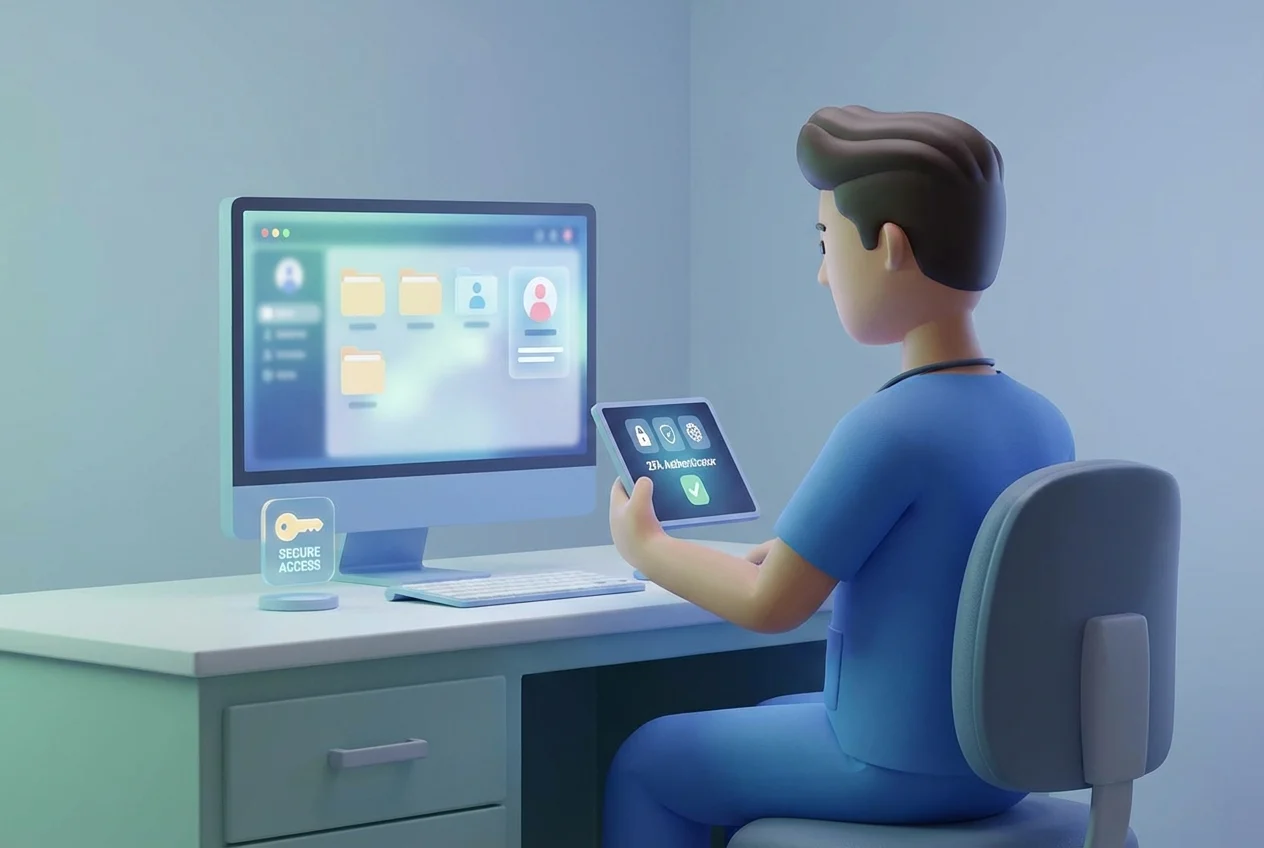
In healthcare, protecting patient information is paramount. The Health Insurance Portability and Accountability Act (HIPAA) mandates strict safeguards for electronic health information. Implementing 2FA can help healthcare providers meet these requirements by ensuring that only authorized personnel can access patient records. This not only protects patient privacy but also fosters trust between patients and healthcare providers.
The financial industry is another area where 2FA is indispensable. Banks and financial institutions are prime targets for cybercriminals seeking to exploit vulnerabilities for financial gain. By using two-factor authentication, these organizations can provide an additional layer of security for online transactions and account management, reducing the risk of fraud and unauthorized access.
Government agencies manage vast amounts of sensitive data, including national security information. The implementation of 2FA is critical to safeguarding this data. By requiring multiple forms of verification, government entities can protect against cyber threats and ensure that only authorized individuals can access classified information.
Overcoming Common Misconceptions About Two-Factor Authentication
Despite its benefits, some misconceptions about two-factor authentication persist. One common belief is that 2FA is cumbersome and complicates the user experience. While it’s true that 2FA requires an additional step, advancements in technology have made the process more seamless and user-friendly. For instance, biometric authentication methods such as fingerprint scanning or facial recognition offer quick and convenient ways to verify identity without sacrificing security.
Another misconception is that implementing 2FA is too costly for small businesses. While there may be initial setup costs, the long-term benefits of improved security and reduced risk of data breaches far outweigh the investment. Small businesses can choose scalable 2FA solutions that fit their budget and gradually expand as their needs grow.
Lastly, some users believe that 2FA is infallible. While it significantly enhances security, no system is entirely immune to breaches. However, 2FA drastically reduces the likelihood of unauthorized access and provides an additional layer of defense against potential threats. Businesses should complement 2FA with other security measures, such as regular software updates and employee training, for comprehensive protection.
Best Practices for Maximizing Two-Factor Authentication Security
To maximize the effectiveness of two-factor authentication, businesses should adhere to best practices that enhance security and streamline implementation. First, it’s essential to choose authentication methods that align with the company’s security needs and user base. For example, a technology firm might prefer app-based authentication, while a healthcare provider might opt for biometric solutions.

Regularly updating and auditing 2FA systems is another crucial practice. Cyber threats are constantly evolving, and businesses must ensure their security measures are up-to-date. Conducting periodic security assessments can help identify vulnerabilities and areas for improvement, ensuring that 2FA systems remain robust and effective.
Employee training and awareness are also vital components of a successful 2FA strategy. Employees should be educated on the importance of 2FA, how to use it effectively, and how to recognize potential security threats. By fostering a culture of security awareness, businesses can empower their workforce to act as the first line of defense against cyber threats.
Integrating Two-Factor Authentication with Other Security Measures
While two-factor authentication is a powerful security tool, it should be part of a broader cybersecurity strategy. Integrating 2FA with other security measures, such as firewalls, encryption, and intrusion detection systems, can provide comprehensive protection against a wide range of threats.
Encryption ensures that data is unreadable to unauthorized individuals, adding an extra layer of security even if a breach occurs. Firewalls and intrusion detection systems monitor network traffic and detect suspicious activity, allowing businesses to respond swiftly to potential threats.
Additionally, implementing a zero-trust security model can complement 2FA efforts. This approach assumes that threats could exist both inside and outside the network, and therefore requires verification for every access request. By combining 2FA with a zero-trust model, businesses can create a robust security framework that mitigates risks and protects sensitive data.
Preparing for the Future of Cybersecurity
As we move towards 2026, the cybersecurity landscape will continue to evolve, presenting new challenges and opportunities. Businesses must remain agile and proactive in their approach to security, embracing emerging technologies and trends that enhance their defenses.
Artificial intelligence (AI) and machine learning are poised to play a significant role in the future of cybersecurity. These technologies can analyze vast amounts of data to detect anomalies and predict potential threats, allowing businesses to respond proactively. By integrating AI-driven solutions with 2FA, companies can enhance their ability to identify and mitigate risks before they escalate.
Furthermore, the proliferation of Internet of Things (IoT) devices presents both opportunities and challenges for cybersecurity. While IoT devices can improve efficiency and connectivity, they also introduce new vulnerabilities. Businesses must ensure that these devices are secured with robust authentication measures, including 2FA, to prevent unauthorized access and data breaches.
Ultimately, staying ahead of cyber threats requires a commitment to continuous learning and adaptation. By investing in cutting-edge security solutions and fostering a culture of security awareness, businesses can navigate the complexities of the digital landscape and thrive in an increasingly interconnected world.
Embracing Two-Factor Authentication for a Secure Future
As businesses face the challenges of the digital age, the importance of two-factor authentication cannot be overstated. By implementing this essential security measure, companies can protect their sensitive data, comply with regulatory requirements, and build trust with customers and partners.
In 2026 and beyond, two-factor authentication will remain a cornerstone of comprehensive cybersecurity strategies. By understanding its benefits, addressing misconceptions, and adopting best practices, businesses can enhance their security posture and prepare for the future of cybersecurity.
By prioritizing security and embracing innovative solutions, businesses can safeguard their operations and maintain a competitive edge in an ever-evolving digital landscape. Two-factor authentication is not just a tool; it is a critical component of a secure and resilient future.
Need help with The Importance of Two-Factor Authentication in 2026: A Complete Guide for Businesses?