
Congratulations on Taking the First Step
to More Digital Visibility!
Then next step is to schedule a Strategy session...
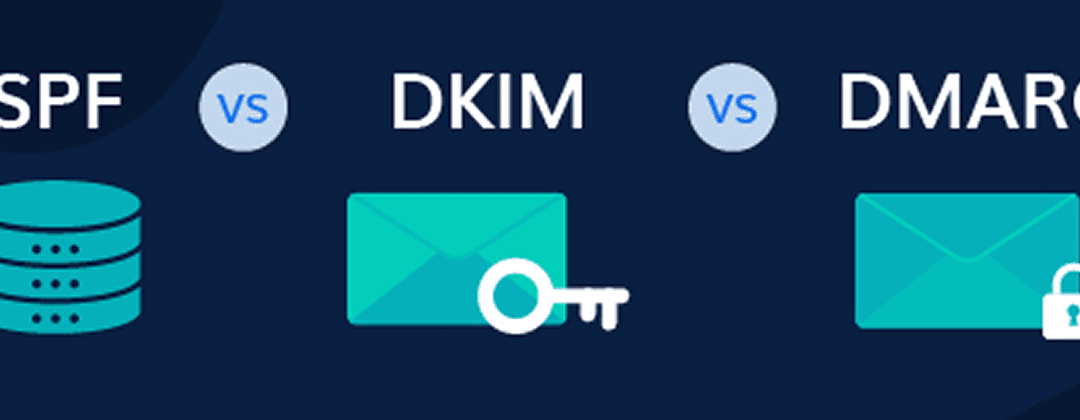
Email deliverability is a critical aspect of any successful email marketing strategy. Ensuring that your emails reach the intended recipients' inboxes requires a combination of various factors. In this comprehensive guide, we'll explore the key components essential for optimal email deliverability, covering topics such as static IP addresses, DKIM, SPF, and DMARC.
A static IP address provides a fixed point of origin for your emails, enhancing stability and reliability. This consistency is crucial for establishing a positive sender reputation. Here's why a static IP matters: When you have a static IP address, you can also setup Reverse DNS. Reverse DNS (rDNS) enables the association of an IP address with its corresponding domain name. By creating a reverse mapping of IP addresses to domain names, rDNS allows systems to identify and verify the origin of network traffic. This process facilitates the establishment of a meaningful connection between IP addresses and domain names, contributing to accurate and secure communication on the internet. It's also important for brand recognition!
DKIM is an email authentication method that adds a digital signature to your emails. This signature verifies that the email content hasn't been altered during transit and confirms the email's legitimacy. Key considerations for DKIM implementation include:
SPF is an email authentication method that prevents email spoofing by specifying which IP addresses are authorized to send emails on behalf of your domain. Key aspects of SPF include:
DMARC builds upon DKIM and SPF, providing additional layers of authentication and reporting. It helps in validating the authenticity of the sender's domain and aids in identifying and blocking phishing attempts. Key considerations for DMARC include:
Conclusion: Achieving optimal email deliverability involves a multifaceted approach. By incorporating a static IP address, DKIM, SPF, and DMARC into your email strategy, you enhance the credibility of your emails and improve the likelihood of reaching recipients' inboxes. Keep in mind that ongoing monitoring, analysis, and adjustment are crucial for maintaining high deliverability rates in the ever-evolving landscape of email communication. Mastering these aspects will set the foundation for a successful and reliable email marketing campaign.

In the dynamic landscape of the internet, website owners are constantly seeking ways to optimize their online presence. One often-overlooked aspect that can significantly impact both SEO and email deliverability is the use of a static IP address. In this blog article, we'll explore how having a static IP address can positively influence your website's search engine ranking and enhance email deliverability.
Before delving into the benefits, let's briefly understand what a static IP address is. Unlike shared IP addresses that provide access to multiple websites, a static IP address is specific to a certain domain. This is particularly advantageous for websites, providing a solid brand presence and a reliable point of access for users and services.
Conclusion: In conclusion, opting for a static IP address for your website offers a range of benefits, from improved SEO ranking to enhanced email deliverability. The stability and reliability associated with a static IP address contribute to a positive online presence, ultimately benefiting your website's visibility and communication effectiveness. Consider making the switch to a static IP to reap these advantages and stay ahead in the competitive online landscape.

Embarking on your journey to create a website can be an exciting endeavor, but before you dive in, it's crucial to understand the fundamental concept of web hosting. In this beginner-friendly guide, we'll break down what web hosting is and why it's an essential component for bringing your website to life.
What is Web Hosting?
At its core, web hosting is the service that makes your website accessible to users on the internet. Imagine your website as a house and web hosting as the plot of land where your house stands. When someone types your website's domain name into their browser, the web hosting provider delivers the content of your site to that user.
Key Components of Web Hosting:
Types of Web Hosting:
Choosing the Right Web Hosting:
Consider factors like the type of website you're building, your budget, and expected traffic when choosing a web hosting provider. Research and read reviews to find a reliable service that meets your specific needs.
Conclusion: Understanding the basics of web hosting is a crucial step in your website-building journey. Whether you're creating a personal blog or an e-commerce site, a reliable web hosting provider is the foundation that ensures your online presence is secure, accessible, and performs optimally for your visitors.

Choosing the right web hosting provider is a critical decision for anyone looking to establish an online presence. While GoDaddy is a well-known name in the industry, there are several reasons why hosting your website with them might not be the best idea. In this blog article, we'll explore some of the drawbacks and alternatives to help you make an informed decision for your website hosting needs.
Conclusion: While GoDaddy is a popular choice for many due to its brand recognition, it's essential to weigh the drawbacks and consider alternatives that better align with your website hosting requirements. Researching and comparing different hosting providers can help you find a solution that offers better performance, support, and overall value for your online endeavors.

In the ever changing tech world of web hosting, having a user-friendly and efficient control panel is a game-changer. This blog post explores the essential reasons why having a control panel for your web hosting is not just a convenience, but a critical component in managing and optimizing your online presence.
Conclusion: In the complex world of web hosting, a control panel emerges as a pivotal tool for website owners and administrators. Beyond convenience, it offers a range of features that empower users to efficiently manage server resources, enhance security, and streamline various aspects of their online presence. Investing in a hosting plan with a robust control panel is a strategic move toward achieving a well-managed, secure, and optimized web presence.