

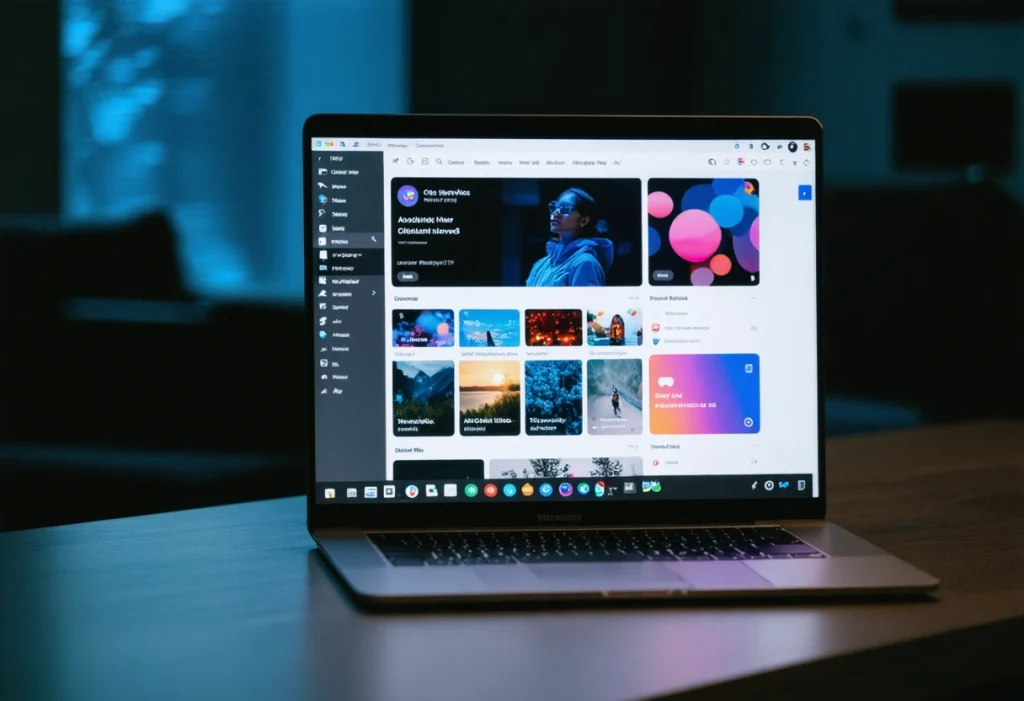
Exploring the Power of Visually Stunning Website Design in Driving Customer Engagement
In today’s digital landscape, where first impressions are often made online, the design of a website plays a crucial role in capturing attention and facilitating user engagement. A visually stunning website can serve as a powerful tool to not only attract visitors but also convert them into loyal customers. This post delves into the various aspects of website design that contribute to enhanced customer engagement, offering insights and actionable tips for businesses looking to optimize their online presence.
The Importance of First Impressions in Web Design
First impressions are critical in the digital world. A visitor’s initial interaction with a website can determine whether they stay to explore further or leave in search of alternatives. Studies have shown that users often form an opinion about a website within milliseconds of landing on it. This means the visual appeal and functionality of your site can directly impact user retention and engagement.
Visually stunning designs can make your site memorable, setting it apart from competitors. Elements such as color schemes, typography, and layout not only enhance aesthetic appeal but also influence user behavior. A well-designed website can guide visitors effortlessly through the content, creating a seamless user experience that encourages further interaction and exploration.
Elements of Visually Stunning Website Design
Several elements contribute to the creation of a visually stunning website. Understanding and effectively implementing these components can significantly enhance customer engagement.
Color Theory and Psychology
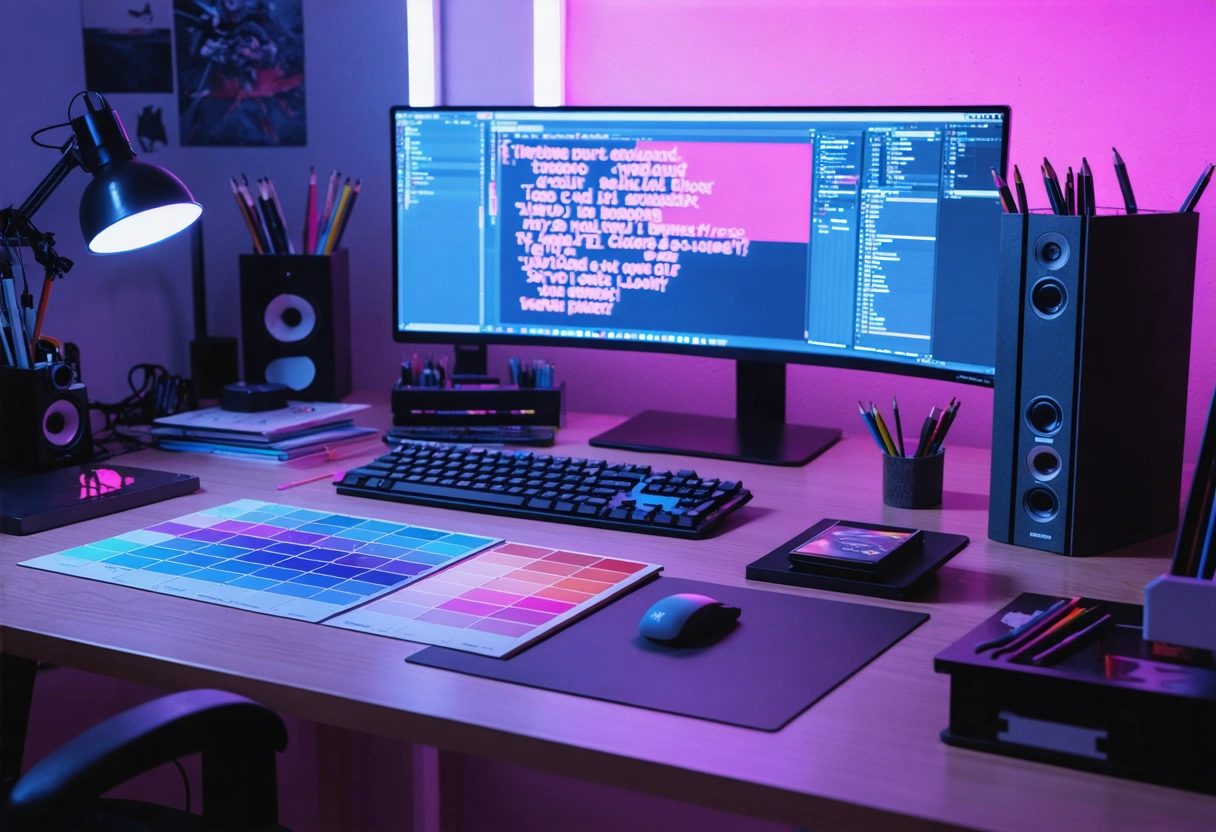
Colors evoke emotions and can influence a user’s perception of your brand. Understanding color theory and psychology is essential for creating a visually compelling website. For instance, blue is often associated with trust and calmness, making it a popular choice for financial institutions. On the other hand, vibrant colors like red and orange can evoke excitement and urgency, which are useful for calls to action.
Typography and Readability
The choice of typography can significantly impact the readability and visual hierarchy of your website. It is crucial to select fonts that align with your brand’s identity while ensuring they are legible across different devices and screen sizes. Additionally, maintaining a clear visual hierarchy through font size and weight can guide users through your content intuitively.
Layout and White Space
The layout of your website determines how content is presented and navigated. A clean and organized layout, complemented by ample white space, can enhance readability and focus. White space, or negative space, helps to declutter the interface, allowing users to focus on key elements without feeling overwhelmed.
Impact of Visual Content on User Engagement
Visual content is a powerful tool for driving user engagement. Incorporating high-quality images, videos, and infographics can enhance the storytelling aspect of your website, making the content more engaging and relatable.
Images and Graphics
Images and graphics are not just decorative elements; they play a crucial role in conveying messages and emotions. High-quality, relevant images can capture attention, evoke emotions, and reinforce your brand’s message. It’s essential to choose images that align with your brand identity and resonate with your audience.
Video Integration
Videos are an effective way to engage users, as they can communicate complex information in an easily digestible format. A well-produced video can explain your product or service, showcase customer testimonials, or offer tutorials, all of which can enhance user understanding and trust. Consider integrating video content strategically across your site to maintain user interest and engagement.
Interactive Elements
Interactive elements such as sliders, quizzes, and interactive infographics can also boost user engagement. These elements encourage users to interact with the content actively, making their experience more enjoyable and memorable. Such interactivity can lead to increased time spent on the site and higher conversion rates.

Usability and User Experience Design
While visual aesthetics are important, the usability and overall user experience (UX) of a website are equally crucial. A stunning design that is difficult to navigate can frustrate users and drive them away. Therefore, balancing aesthetics with functionality is key to creating a successful website.
Navigation and Accessibility
Effective navigation is essential for a positive user experience. A well-structured navigation menu enables users to find the information they need quickly and efficiently. Additionally, ensuring your website is accessible to all users, including those with disabilities, is not only a best practice but also a legal requirement in many jurisdictions. Implementing accessibility guidelines enhances usability for a broader audience.
Responsive Design
With the increasing use of mobile devices, responsive design has become a necessity. A responsive website adjusts its layout and content to fit different screen sizes, ensuring a consistent user experience across devices. This adaptability not only improves user satisfaction but also positively impacts search engine rankings, as search engines prioritize mobile-friendly websites.
The Role of Visual Design in Brand Identity
Your website’s visual design is a reflection of your brand’s identity. Consistency in design elements such as color schemes, typography, and imagery reinforces brand recognition and builds trust with your audience.
A strong brand identity distinguishes your business from competitors and fosters loyalty among customers. By aligning your website’s design with your brand values and messaging, you create a cohesive and memorable experience that resonates with users and encourages them to engage with your content.
Case Studies: Successful Visually Stunning Websites
To better understand the impact of visually stunning design, let’s examine a few case studies of websites that successfully leverage design to drive customer engagement.
Apple
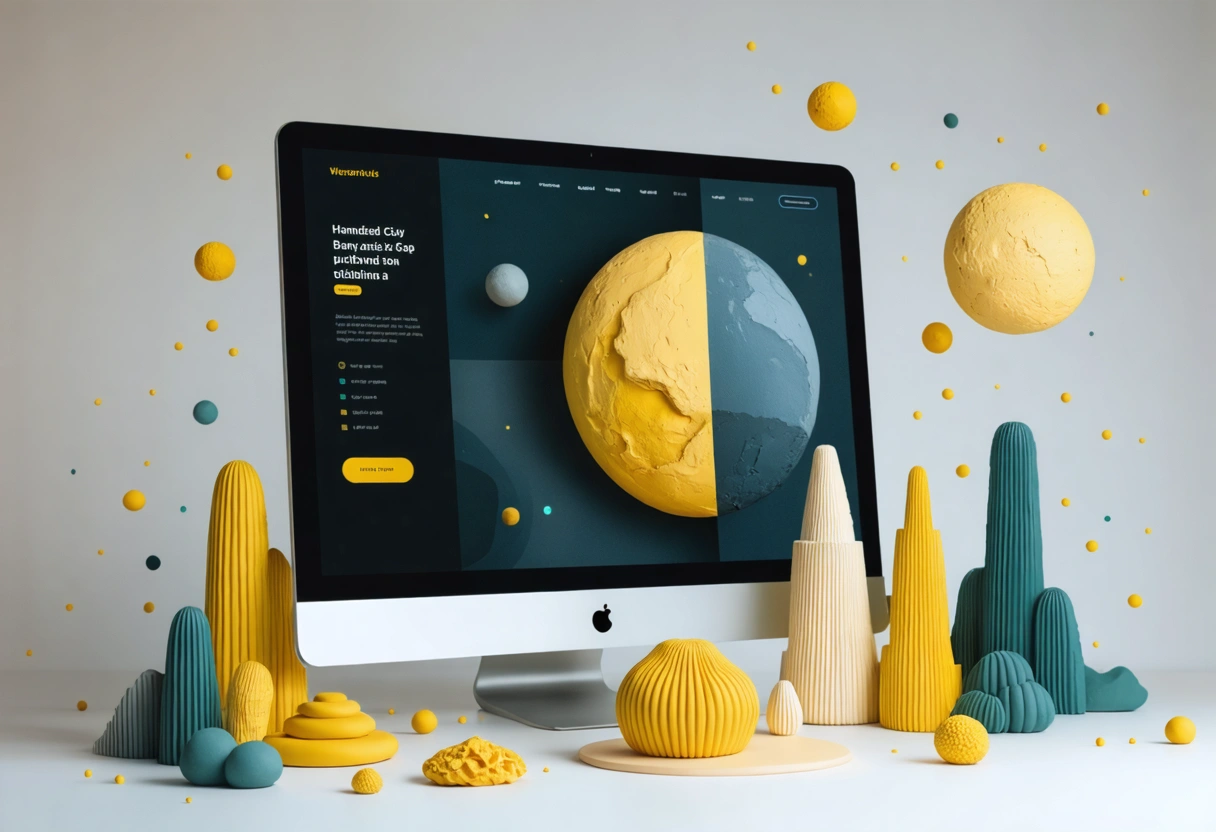
Apple’s website is a prime example of minimalist design that emphasizes product visuals. The use of high-quality images and videos, coupled with a clean layout and intuitive navigation, creates an engaging experience that highlights the brand’s innovative products. This design approach not only captures attention but also reinforces Apple’s brand identity as a leader in technology and design.
Airbnb
Airbnb’s website effectively uses visual storytelling to connect with users emotionally. The homepage features stunning images of travel destinations, encouraging users to explore and book accommodations. The website’s design is user-friendly, with a simple search functionality and easy navigation, ensuring a seamless booking experience.
Spotify
Spotify’s website design is vibrant and dynamic, reflecting the energy of music and entertainment. The use of bold colors and interactive elements creates a lively atmosphere that invites users to explore the platform. Spotify’s personalized recommendations and curated playlists further enhance user engagement by tailoring the experience to individual preferences.
Takeaways
In conclusion, a visually stunning website design is a powerful asset in driving customer engagement. By understanding and implementing key design elements such as color theory, typography, and responsive design, businesses can create a memorable and engaging user experience. Visual content, usability, and brand identity also play crucial roles in capturing and retaining user interest.
As the digital landscape continues to evolve, businesses must prioritize the visual appeal and functionality of their websites to remain competitive. By investing in a visually stunning design, you can enhance your brand’s online presence, attract more visitors, and ultimately drive higher engagement and conversions.
Strategies for Enhancing Website Design
Developing a visually stunning website involves a strategic approach that encompasses both design and development. Here are some strategies to consider for enhancing your website design:
Utilizing High-Quality Visuals
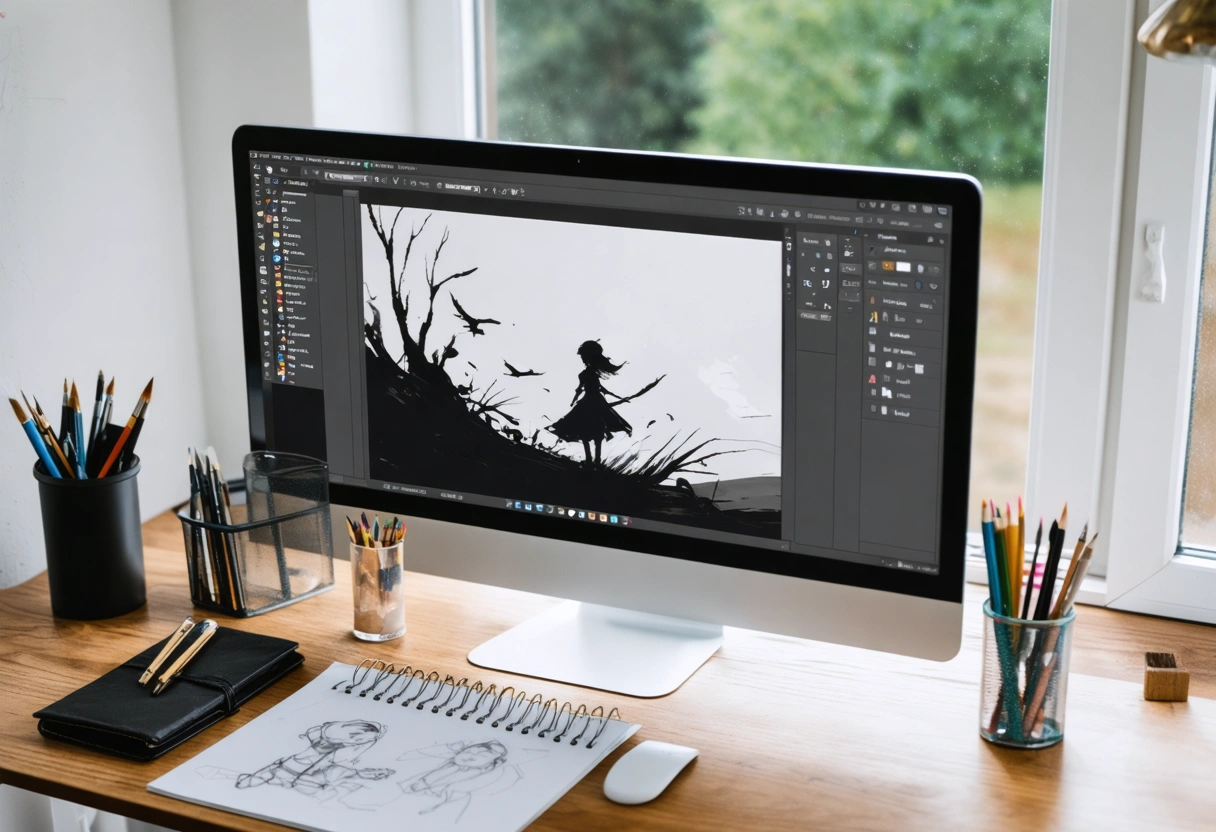
Invest in high-quality visuals that are relevant to your brand and content. Stock images can be convenient, but original photography or custom illustrations often have a more substantial impact. Ensure that images are optimized for web to maintain fast loading times without sacrificing quality.
Consistency Across Platforms
Maintain consistency in design elements such as colors, fonts, and imagery across all digital platforms, including your website, social media channels, and email marketing. This consistency builds brand recognition and trust. A consistent design approach ensures that users have a unified experience, regardless of how they interact with your brand online.
Emphasizing User-Centered Design
User-centered design focuses on creating a website that meets the needs and preferences of your target audience. Conduct user research to understand their behaviors and preferences, and use this data to inform design decisions. By prioritizing the user experience, you can create a design that is both appealing and functional.
The Future of Website Design
The landscape of website design is constantly evolving, driven by technological advancements and changing user expectations. Here are a few trends shaping the future of website design:
Artificial Intelligence and Personalization
Artificial Intelligence (AI) is increasingly being used to create personalized user experiences. AI can analyze user data to deliver tailored content, recommendations, and interactions. This level of personalization enhances user engagement by making the experience more relevant and valuable to the individual.
Augmented Reality and Immersive Experiences
Augmented Reality (AR) is gaining traction as a tool for creating immersive web experiences. By overlaying digital content onto the real world, AR can provide interactive and engaging experiences that captivate users. Industries such as retail and real estate are already leveraging AR to offer virtual try-ons and property tours, respectively.
Minimalist and Micro-Interactions
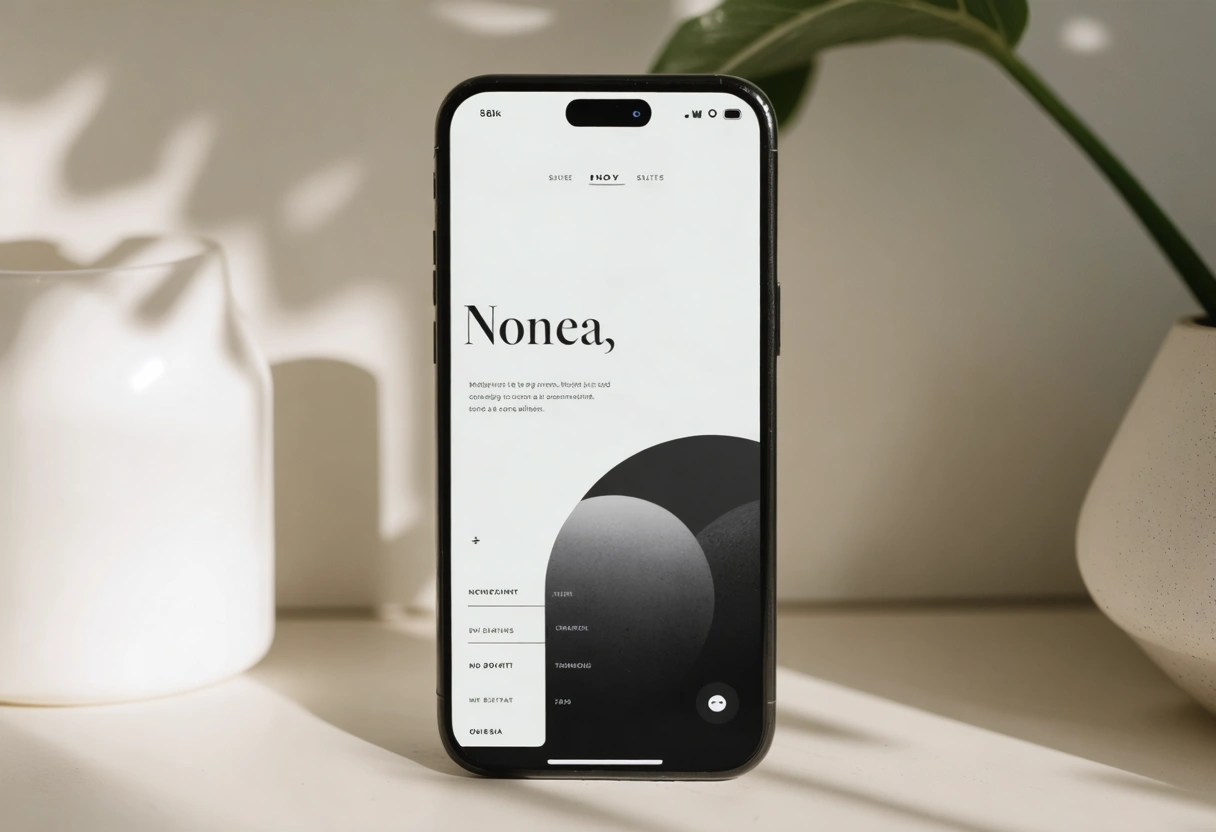
Minimalist design continues to be popular, with an emphasis on simplicity and functionality. Micro-interactions, such as subtle animations and interactive elements, add a layer of interactivity without overwhelming the user. These small details can enhance the overall user experience by providing feedback and guiding user actions.
Measuring the Impact of Design on Engagement
To fully understand the effectiveness of your website design, it’s crucial to measure its impact on customer engagement. Utilize analytics tools to track key performance indicators such as bounce rate, time on site, and conversion rates. These metrics can provide insights into how users are interacting with your website and identify areas for improvement.
Conducting user testing and gathering feedback can also offer valuable insights into user experiences and preferences. By continually analyzing data and feedback, you can make informed adjustments to your design to optimize engagement and achieve your business goals.
Final Thoughts
As we have explored, the power of visually stunning website design in driving customer engagement cannot be overstated. By embracing design principles that prioritize visual appeal and usability, businesses can create an online presence that not only attracts visitors but also converts them into loyal customers. As technology continues to advance, staying updated with the latest design trends and user expectations will be essential for maintaining a competitive edge in the digital marketplace.
Ultimately, a well-designed website is an investment that pays dividends in customer satisfaction, brand loyalty, and business success. By prioritizing both aesthetics and functionality, you can create a digital experience that resonates with your audience and propels your business forward.
Need help with Exploring the Power of Visually Stunning Website Design in Driving Customer Engagement?