


Embracing Change: How Businesses Can Stay Adaptive in a Rapidly Evolving Digital World
In today’s fast-paced digital landscape, businesses face an unprecedented rate of technological advancement. The rapid evolution of digital tools and platforms has fundamentally altered the way companies operate, communicate, and deliver value. Embracing change is no longer optional; it is essential for survival and growth. This blog post delves into strategies that businesses can adopt to remain adaptive and thrive in this dynamic environment.
The Importance of Adaptability in Modern Business
Adaptability is the ability of a business to respond quickly and efficiently to changes in its environment. This skill is crucial in the digital age, where the pace of change is relentless. Companies that fail to adapt risk falling behind their competitors, losing market share, or even becoming obsolete.
One of the key benefits of adaptability is resilience. Businesses that are adaptable can withstand shocks and disruptions, such as economic downturns or technological shifts, better than those that are rigid. Adaptable companies are also more likely to seize new opportunities as they arise, giving them a competitive edge.
Understanding the Digital Transformation
Digital transformation refers to the integration of digital technology into all areas of a business, fundamentally changing how it operates and delivers value to customers. This transformation is driven by the need to meet evolving customer expectations and the potential for new business models enabled by technology.
A successful digital transformation requires a cultural shift within the organization. Employees must be encouraged to challenge the status quo, experiment with new ideas, and embrace failure as a learning opportunity. This cultural shift is often more challenging than the technical aspects of transformation but is crucial for sustained success.
Strategies for Staying Adaptive
There are several strategies businesses can employ to enhance their adaptability. These include fostering a culture of continuous learning, leveraging data analytics, and embracing agile methodologies.

Continuous learning is vital in a rapidly changing world. Businesses should invest in training and development programs that keep employees informed about the latest technologies and industry trends. Encouraging a learning mindset helps employees adapt to new roles and responsibilities as the business evolves.
Data analytics is another powerful tool for adaptability. By analyzing data, businesses can gain insights into customer behavior, market trends, and operational efficiency. These insights can inform strategic decisions, enabling companies to adapt proactively rather than reactively.
Agile methodologies, which emphasize flexibility, collaboration, and customer feedback, can help businesses respond quickly to changes. By breaking down projects into smaller, manageable parts and iterating based on feedback, companies can adjust their strategies and tactics in real-time.
Leveraging Technology for Competitive Advantage
Technology is a critical enabler of adaptability. Businesses that leverage the latest technologies can improve efficiency, enhance customer experience, and unlock new revenue streams. For instance, cloud computing allows companies to scale their operations quickly and cost-effectively.
Artificial intelligence (AI) and machine learning are other technologies that can drive adaptability. These technologies can automate routine tasks, provide predictive insights, and enhance decision-making. Companies that integrate AI into their operations can respond more swiftly to market changes and customer needs.
Additionally, the Internet of Things (IoT) is reshaping industries by enabling real-time data collection and analysis. IoT devices can provide businesses with valuable insights into customer preferences and operational efficiencies, allowing them to adapt their products and services accordingly.
Case Studies: Businesses that Thrived Through Adaptability
Several companies have demonstrated the power of adaptability in the digital age. Amazon, for example, started as an online bookstore but quickly adapted to become a global e-commerce giant. By continuously innovating and expanding its product offerings, Amazon has maintained its competitive edge.
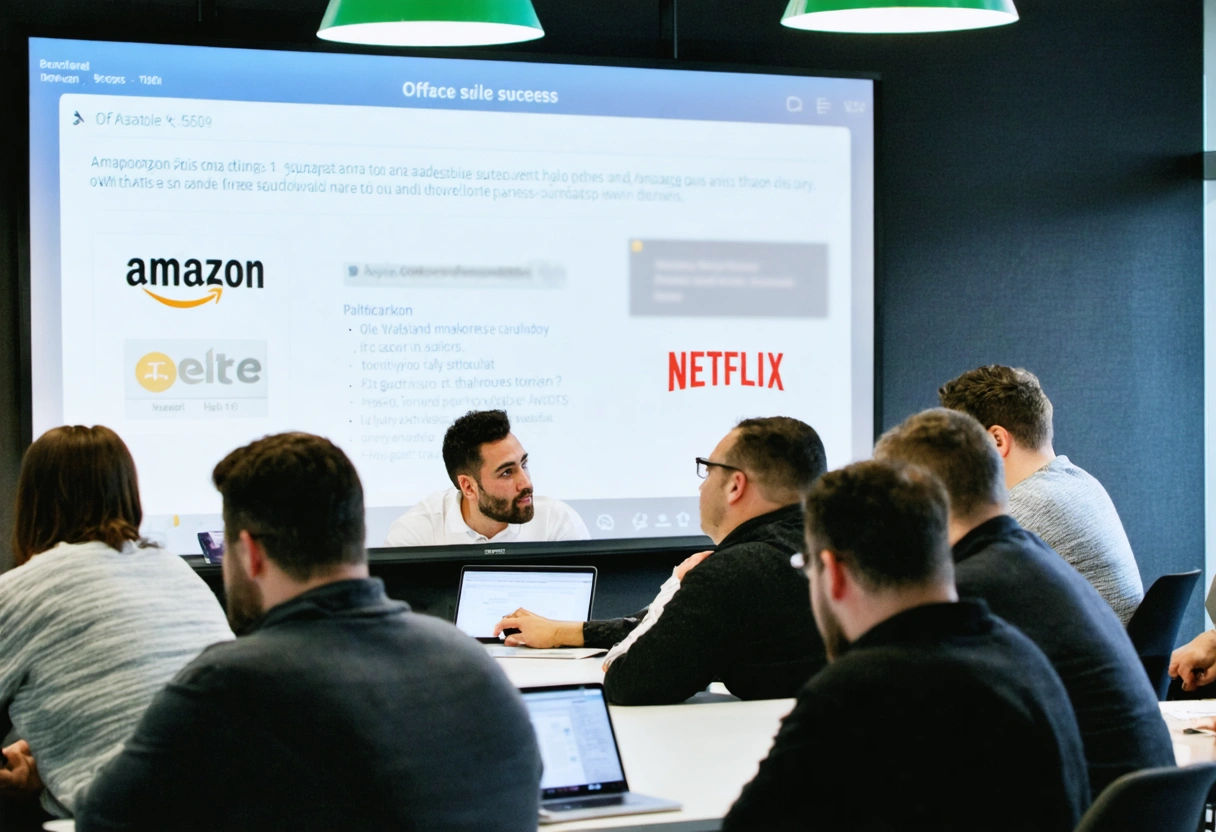
Netflix is another example of adaptability. Originally a DVD rental service, Netflix successfully transitioned to a streaming platform, disrupting the entertainment industry. By investing in original content and leveraging data analytics, Netflix has continued to grow and evolve with consumer preferences.
Overcoming Challenges in the Adaptation Process
Adapting to change is not without its challenges. Common obstacles include resistance to change, lack of resources, and insufficient leadership support. Overcoming these challenges requires a clear vision, strong leadership, and effective communication.
Resistance to change can be mitigated by involving employees in the adaptation process. By soliciting their input and addressing their concerns, businesses can foster a sense of ownership and commitment to the change initiative.
Securing the necessary resources for adaptation is another challenge. This may involve reallocating budgets, investing in new technologies, or hiring additional staff. Businesses must be strategic in their resource allocation to ensure a successful transition.
Leadership support is essential for driving change. Leaders must model adaptable behaviors, communicate the benefits of change, and provide the necessary support and resources to their teams.
The Role of Leadership in Fostering Adaptability
Leaders play a critical role in fostering a culture of adaptability. They set the tone for the organization and influence how change is perceived and embraced. Effective leaders are open to new ideas, encourage innovation, and support their teams in taking calculated risks.

One way leaders can promote adaptability is by creating a vision for the future that inspires and motivates employees. This vision should be communicated clearly and consistently, ensuring that everyone in the organization understands the direction and purpose of the change.
Leaders must also be willing to make tough decisions and prioritize initiatives that align with the organization’s goals. By aligning resources and efforts with strategic objectives, leaders can ensure that the organization remains focused and agile in pursuing its vision.
The Path Forward
In a rapidly evolving digital world, adaptability is not just a competitive advantage; it is a necessity. Businesses that embrace change and remain agile are better positioned to navigate the challenges and opportunities of the digital age. By fostering a culture of continuous learning, leveraging technology, and demonstrating strong leadership, companies can adapt to new realities and sustain long-term success.
As the digital landscape continues to evolve, businesses must remain vigilant and proactive in their adaptation efforts. By staying informed about emerging trends and technologies, companies can anticipate changes and respond effectively. Ultimately, embracing change is about creating a future where businesses can thrive, innovate, and deliver exceptional value to their customers.
Fostering a Culture of Innovation
Innovation is at the heart of adaptability. In order for businesses to thrive in a rapidly changing digital landscape, they must cultivate an environment where creativity and new ideas can flourish. This involves encouraging risk-taking, rewarding innovation, and providing employees with the resources and support they need to experiment and develop new solutions.
Creating a culture of innovation starts with leadership. Leaders must actively champion innovation, setting clear expectations and recognizing the efforts of employees who contribute to innovative projects. This positive reinforcement encourages others to think creatively and push the boundaries of what is possible.
Moreover, businesses can foster innovation by forming cross-functional teams that bring together diverse perspectives and expertise. These teams can collaborate on projects, harnessing their collective knowledge to develop novel solutions to complex problems. By valuing diversity of thought, companies can unlock new opportunities and remain competitive in a dynamic market.
Harnessing Customer Feedback for Continuous Improvement
Customer feedback is an invaluable resource for businesses seeking to adapt and improve. By actively seeking and analyzing feedback, companies can gain insights into customer needs, preferences, and pain points. This information can guide decision-making and inform product development, ensuring that offerings remain relevant and aligned with market demands.

To effectively harness customer feedback, businesses should implement robust feedback collection mechanisms, such as surveys, focus groups, and social media monitoring. These channels allow companies to gather real-time insights and respond promptly to customer concerns. Additionally, businesses can use data analytics to identify trends and patterns in customer feedback, enabling them to make data-driven decisions.
Incorporating customer feedback into the adaptation process not only improves products and services but also strengthens customer relationships. By showing that they value customer input, businesses can build trust and loyalty, which are critical for long-term success in a competitive market.
The Impact of Emerging Technologies on Business Adaptability
Emerging technologies, such as blockchain, virtual reality (VR), and 5G, are reshaping industries and creating new opportunities for businesses to adapt and innovate. By staying informed about these technologies and exploring their potential applications, companies can enhance their adaptability and maintain a competitive edge.
Blockchain technology, for instance, offers potential solutions for enhancing transparency, security, and efficiency in supply chain management. By adopting blockchain, businesses can streamline operations and build trust with partners and customers. Similarly, VR and augmented reality (AR) are transforming customer experiences, offering immersive and interactive ways to engage with products and services.
5G technology is set to revolutionize connectivity, enabling faster data transmission and supporting the proliferation of IoT devices. Businesses that embrace 5G can leverage its capabilities to enhance operational efficiency, improve customer experiences, and drive innovation. By staying at the forefront of technological advancements, companies can remain agile and responsive to changing market conditions.
Building a Future-Ready Workforce
A future-ready workforce is essential for business adaptability. As technology and market dynamics evolve, employees must possess the skills and knowledge needed to navigate new challenges and seize opportunities. This requires a commitment to continuous learning and development, as well as a focus on building diverse and inclusive teams.

Businesses should invest in upskilling and reskilling initiatives, providing employees with access to training programs, workshops, and online courses. By equipping employees with the latest skills and knowledge, companies can ensure that their workforce remains capable and prepared to adapt to changing demands.
In addition to technical skills, businesses should emphasize the importance of soft skills, such as communication, collaboration, and problem-solving. These skills are critical for effective teamwork and innovation, enabling employees to work together to solve complex problems and drive the organization forward.
Preparing for the Unknown
As we look to the future, one thing is certain: change is inevitable. The digital landscape will continue to evolve, presenting new challenges and opportunities for businesses. By embracing adaptability and fostering a culture of innovation, companies can prepare for the unknown and position themselves for long-term success.
Ultimately, adaptability is about more than just surviving change; it is about thriving in it. By remaining open to new ideas, leveraging emerging technologies, and building a future-ready workforce, businesses can navigate the complexities of the digital age and emerge stronger and more resilient. As the pace of change continues to accelerate, those that embrace adaptability will be well-equipped to shape their own futures and drive meaningful impact in the world.
Need help with Embracing Change: How Businesses Can Stay Adaptive in a Rapidly Evolving Digital World?