
Congratulations on Taking the First Step
to More Digital Visibility!
Then next step is to schedule a Strategy session...
In 2025, marketing web design is going to be all about pushing boundaries and blending creativity with technology. As businesses race to stand out, designers are coming up with fresh ways to make websites not just look good, but also work smarter. From mixing minimalist and maximalist styles to using AI for personalization, the focus is on creating unique experiences that keep users hooked. Let’s dive into the key takeaways on how to make your marketing web design shine in the coming year.
In 2025, we’re seeing a fascinating blend in web design — the minimalist-maximalist fusion. This approach is all about keeping things simple and clean while adding bold touches that make a statement. Imagine a website with lots of white space, but then, bam! A splash of color or a big, bold font grabs your attention. It’s about finding that sweet spot where simplicity meets drama without going overboard. This fusion not only makes for a visually striking site but also keeps it functional and user-friendly.
When we talk about dynamic focal points, we’re referring to those elements on a website that naturally draw a visitor’s eye. In minimalist-maximalist design, these can be anything from a vibrant image to an oversized headline. The key is to use these focal points sparingly so they enhance rather than clutter the design. It’s like having a single spotlight on a stage — it draws attention precisely where you want it, making the rest of the space feel intentional and cohesive.
Everyone wants their website to stand out, right? By mixing minimalist and maximalist elements, we can create a design that feels unique and personal. This might mean incorporating unexpected colors or textures that reflect the brand’s personality. It’s about breaking away from the cookie-cutter templates and creating something that feels fresh and individual. In 2025, this approach is more important than ever as brands strive to connect with users on a personal level.
In the ever-changing world of website design, finding a balance between minimalism and maximalism allows us to craft sites that are not only beautiful but also meaningful. This fusion offers a way to express creativity while maintaining clarity and focus, ensuring a memorable user experience.
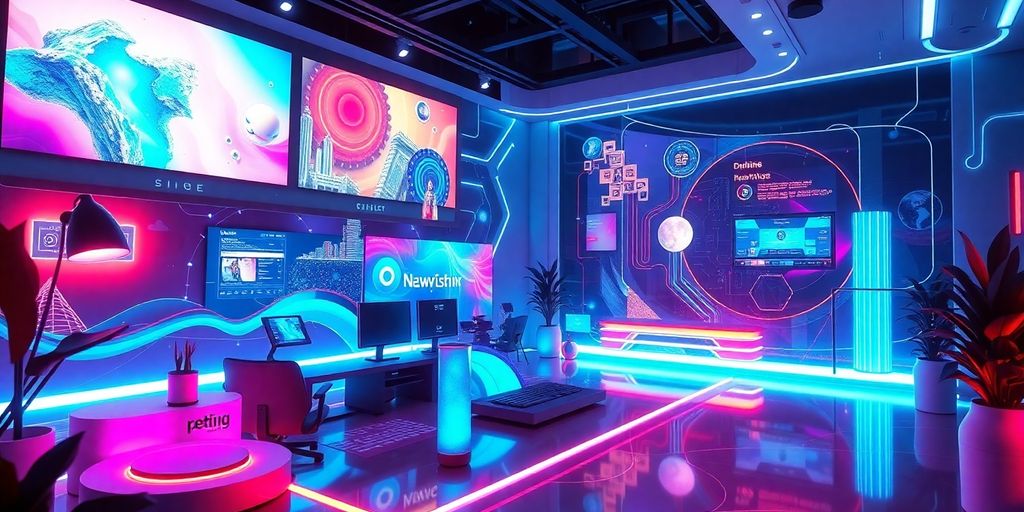
In 2025, we’re all about making online shopping feel more like the real thing. 3D product showcases are changing the game by letting users explore items from every angle, almost as if they’re holding them in their hands. This isn’t just about looking cool—it’s about giving customers the confidence to make a purchase. When you can see a product in such detail, it’s easier to imagine it in your life. Plus, this kind of experience is more likely to stick in a user’s memory, which is exactly what brands want.
Creating virtual spaces where users can interact is another exciting trend we’re seeing. Imagine a virtual store where you can "walk" around and pick up items, or a virtual tour of a new car model. These environments are not just fun; they make the user feel more connected to the brand. It’s like a bridge between the digital and physical worlds, making online interactions more meaningful. As technology improves, these environments will become more accessible and realistic, drawing users in like never before.
By integrating 3D design elements, websites can achieve a level of depth and realism that flat designs just can’t match. This isn’t about adding 3D for the sake of it; it’s about using it to create a more engaging and intuitive user experience. Whether it’s through subtle animations or bold, interactive graphics, these elements can guide users through a website in a way that’s both aesthetically pleasing and functional. As we move forward, balancing these elements with quick loading times and smooth performance will be key to keeping users engaged without overwhelming them.
In today’s digital age, personalization is no longer a luxury—it’s a necessity. We can now use AI to analyze user data like browsing habits, purchase history, and even the way they move their mouse. This info helps us tailor the website experience to each visitor. Gone are the days of one-size-fits-all; now, it’s all about making each user feel like the site was built just for them.
AI allows us to serve up content that resonates with each individual user. Whether it’s a product recommendation or a blog post suggestion, the goal is to make every interaction feel personal. We can even use AI tools to dynamically adjust content in real-time, ensuring that what users see is always relevant to them. This kind of hyper-personalization can significantly boost engagement and conversions.
AI isn’t just about personalization; it’s also about interaction. Chatbots, for example, have become a staple in customer service, offering quick answers and assistance. They’re not perfect, but they do make life easier for both users and businesses. Plus, AI tools can help us fine-tune our designs by analyzing user interactions to identify what’s working and what’s not. This ongoing optimization keeps users happy and engaged.
By integrating AI-driven personalization, we’re not just enhancing user experience; we’re also setting the stage for better customer loyalty and retention. As we move forward, these technologies will continue to evolve, offering even more ways to connect with users on a personal level.
For those interested in how AI can enhance design, check out Webflow AI’s capabilities to automate tasks and optimize user interactions, making design smarter and more efficient.
Alright, let’s talk about why mobile-first design isn’t just a trend—it’s a necessity. With more than half of all web traffic coming from mobile devices, it’s clear that our websites need to work flawlessly on phones and tablets. We need to think of the mobile version as the primary version of our site, not just an afterthought. This approach ensures that users have a consistent and high-quality experience, whether they’re on their phone, tablet, or desktop.
Speed matters—a lot. Users expect pages to load in the blink of an eye, and if they don’t, they’re likely to bounce. To keep things snappy, we need to optimize images, minimize code, and leverage browser caching. Fast-loading pages not only improve user satisfaction but also boost our search rankings. Remember, responsive design is crucial in 2025 for improving user experience and optimizing website performance across various devices.
Let’s not forget about the way people interact with their devices. Designing for touch means bigger buttons, more space between links, and intuitive gestures like swipes and taps. It’s about making sure that users can navigate our site with ease, no matter how small the screen. This also involves rethinking hover effects, which don’t translate well on touchscreens, and focusing instead on interactions that make sense in a mobile context.
"In 2025, a mobile-first approach isn’t just smart—it’s essential for staying competitive in the digital landscape."
We’ve seen how Augmented Reality is changing the way people shop online. Imagine being able to try on a pair of sunglasses or see how a couch fits in your living room—all without leaving your home. This isn’t just a gimmick; it boosts buyer confidence by letting them see products in their own space. The process involves embedding AR into websites, making it accessible without fancy gear. As this tech gets better, more brands will jump on board.
Advertising is also getting a makeover with AR. Picture an ad where you can interact with the product, maybe even see it in action. It’s a whole new level of engagement, and it keeps users interested longer. This kind of interaction makes ads more memorable, which is what every brand wants. Plus, it sets a new standard for what consumers expect from online ads.
AR isn’t just about shopping or ads; it’s about creating experiences that pull users in. From virtual tours to interactive storytelling, the possibilities are endless. Users aren’t just passive viewers; they’re part of the action. This kind of content doesn’t just keep users on a site longer; it builds a connection with the brand. It’s like turning a website into a playground where users can explore and interact.
Creating a community-centric web platform is like building a digital neighborhood where everyone feels at home. Our goal is to design spaces that not only attract visitors but also encourage them to stay, interact, and return. It’s about making connections, fostering loyalty, and turning casual visitors into engaged community members.
To build loyalty, we need to offer more than just products or services. It’s about creating a sense of belonging. Here are a few strategies:
User-generated content (UGC) is a powerful tool for building community. It not only provides authentic content but also makes users feel valued. Consider these methods:
Creating a community website involves more than just a digital space; it’s about cultivating a culture. Here’s how:
Building a community-centric platform isn’t just about technology or website development. It’s about understanding the needs of your users and creating an environment where they feel seen, heard, and valued. By focusing on these elements, we can transform a simple website into a thriving community hub.
When it comes to effective call-to-actions, using colors that stand out is a game changer. Colors that contrast with the background make CTAs pop, grabbing attention instantly. This approach ensures that your message isn’t lost in the shuffle of a busy webpage. Think of it like a spotlight on a stage – you want your CTAs to be the star of the show. It’s not just about being bold; it’s about being seen.
Words have power, and when it comes to CTAs, using verbs that inspire action is key. Phrases like "Start Your Journey" or "Claim Your Offer" nudge users towards taking that next step. It’s about creating a sense of urgency and excitement. When crafting these messages, remember to keep it simple and direct. The goal is to make it easy for users to know exactly what to do next.
Where you place your CTAs can dramatically affect their effectiveness. Strategic placement means putting CTAs where users are most likely to click. This could be at the end of a compelling story or after a product description that leaves them wanting more. It’s about understanding user behavior and guiding them through the journey.
Placing CTAs above the fold can increase engagement by over 300%. It’s about meeting users where they are and making the action step as easy as possible.
By focusing on these strategies, we can improve user interaction and drive more conversions. Whether it’s through paid ads or organic reach, the right CTA can lead to a successful reviewlead and ultimately, a satisfied customer. Let’s make those CTAs work harder for us in 2025!

In the world of digital marketing, embracing eco-friendly web design is more than just a trend—it’s becoming essential. As more of us become aware of our environmental footprint, we’re seeing a shift towards sustainable practices in marketing web design. Companies are now optimizing their websites to reduce energy use and minimize their carbon footprint. This isn’t just about being green; it’s about aligning with what consumers expect.
Here’s what we can do to make our websites more sustainable:
Consumers today are more informed and selective, often choosing brands that reflect their personal values. In our SEO efforts, it’s vital to highlight our commitment to sustainability. People want to support brands that care about the planet. By integrating eco-friendly elements into our internet marketing strategies, we not only appeal to these values but also enhance our brand’s reputation.
Ethical practices in web design go beyond just sustainability. It’s also about being honest and transparent with our users. Ethical design ensures that our websites are not only functional but also respectful of user privacy and data security. This is where review management and reputation management come into play, helping us maintain trust and integrity.
As we move forward, incorporating sustainability and ethics into our web design isn’t just a nice-to-have—it’s a must. Consumers are increasingly looking for brands that not only meet their needs but also align with their values. By making these adjustments, we can create a more responsible and engaging online presence.
So, there you have it. As we look toward 2025, it’s clear that web design and marketing are more intertwined than ever. The trends we’ve explored show that staying ahead means embracing change and being willing to experiment. Whether it’s through minimalist designs with bold accents or using AI to personalize user experiences, the key is to keep the user at the center of it all. Businesses that adapt to these changes will not only survive but thrive in the digital landscape. It’s an exciting time to be in the field, and the possibilities are endless. So, let’s get out there and start creating the future of web design and marketing.
The minimalist-maximalist design trend combines simple, clean designs with bold, eye-catching elements to create a unique look that stands out.
3D elements can make a website more engaging by adding depth and realism, allowing users to interact with products or environments in a more lifelike way.
AI-driven personalization tailors the user experience based on individual preferences, making the website more relevant and engaging for each visitor.
Mobile-first design means creating a website that works well on mobile devices first, ensuring it looks good and functions properly on smaller screens.
AR can make the user experience more interactive by allowing users to try on products virtually or see how items would look in their own space.
Building a community around your website helps foster customer loyalty and encourages users to engage more with your brand.