
Congratulations on Taking the First Step
to More Digital Visibility!
Then next step is to schedule a Strategy session...

As we venture deeper into the digital age, the intersection of search engine optimization (SEO) and artificial intelligence (AI) is reshaping the landscape of online business strategies. The year 2026 marks a pivotal point where these technologies are not just complementary but are increasingly becoming inseparable. Guru Internet Services stands at the forefront of this evolution, utilizing AI-driven SEO practices to propel businesses toward unprecedented success. This blog post explores the intricacies of this dynamic relationship and how businesses can harness it to stay ahead of the curve.
SEO has undergone significant transformations since its inception. Gone are the days when keyword stuffing and backlinks were the primary metrics of success. With AI’s integration, SEO has become more sophisticated, focusing on user experience, content relevance, and personalized search results. AI algorithms like Google’s RankBrain have made search engines smarter, adapting to user intent and context rather than just keyword matches.
AI’s ability to process large datasets at lightning speed allows for more accurate predictions and insights. For instance, AI can analyze user behavior patterns to predict future search trends, enabling businesses to tailor their content strategy proactively. By leveraging AI, businesses can gain a competitive edge, optimizing their content in ways that resonate with their target audience and adhere to ever-evolving search engine guidelines.
Guru Internet Services has embraced AI technologies to enhance their SEO services, offering clients a cutting-edge approach to digital marketing. By integrating AI tools, the company provides data-driven insights that help businesses understand their audience better, optimize their content, and improve their search engine rankings. One of the critical components of their strategy is the use of AI-powered analytics to track and predict customer behavior, allowing for more targeted and effective marketing campaigns.

Moreover, AI is utilized to automate routine tasks such as keyword research and performance analysis, freeing up human resources to focus on creative and strategic aspects of content creation. This not only increases efficiency but also ensures that clients receive the most accurate and up-to-date data to drive their SEO efforts. As a result, businesses partnering with Guru Internet Services can expect a significant boost in their online visibility and overall digital marketing success.
Content remains king in the world of SEO, but with AI, the approach to content creation and optimization has been revolutionized. AI tools can generate topic ideas, suggest keyword variations, and even write preliminary drafts of content. While human creativity remains irreplaceable, AI serves as a valuable assistant, ensuring that content is both engaging and optimized for search engines.
For example, platforms like OpenAI’s GPT can provide content suggestions based on trending topics and user interests, helping businesses stay relevant. Additionally, AI can analyze existing content to identify gaps and opportunities for improvement, ensuring that the content strategy aligns with the latest search engine algorithms. By leveraging AI in content creation, businesses can produce high-quality, SEO-friendly content that attracts and retains their target audience.
Personalization has become a cornerstone of successful marketing strategies, and AI plays a crucial role in delivering personalized experiences. Through AI, businesses can analyze user data to tailor content and recommendations to individual preferences and behaviors. This level of personalization enhances user engagement, leading to higher conversion rates and improved customer satisfaction.
Guru Internet Services utilizes AI to implement advanced personalization techniques, ensuring that clients’ websites deliver a tailored experience for each visitor. By analyzing factors such as location, search history, and device usage, AI can dynamically adjust content and recommendations, providing a seamless and personalized user journey. This not only boosts SEO performance but also fosters long-term customer loyalty and brand affinity.

While the integration of AI in SEO presents numerous opportunities, it also comes with its set of challenges. One major challenge is the rapid pace of technological advancements, requiring businesses to continually adapt and update their strategies. Staying ahead in the AI-driven SEO game demands a commitment to ongoing learning and experimentation.
However, the opportunities far outweigh the challenges. Businesses that successfully leverage AI in their SEO strategies can expect to see significant improvements in their search rankings, website traffic, and overall online presence. As AI continues to evolve, it will open new avenues for innovation and efficiency, empowering businesses to achieve their digital marketing goals more effectively.
AI-driven SEO does not exist in isolation; it is most effective when integrated with other digital marketing strategies. By combining AI with tools like social media analytics, email marketing automation, and customer relationship management systems, businesses can create a holistic marketing strategy that maximizes their reach and impact.
Guru Internet Services recognizes the importance of this integration and offers comprehensive solutions that combine AI with various digital marketing channels. By doing so, they provide clients with a cohesive and unified approach to online marketing, ensuring that all efforts are aligned towards achieving the same business objectives. This integrated approach not only enhances SEO performance but also amplifies the overall effectiveness of digital marketing campaigns.

As we look towards the future, the role of AI in SEO is set to grow even more significant. With advancements in machine learning, natural language processing, and data analytics, AI will continue to refine and enhance SEO practices. Businesses that embrace these technologies early on will be well-positioned to lead the digital marketing landscape.
Guru Internet Services is committed to staying at the forefront of these developments, constantly exploring new ways to leverage AI for the benefit of their clients. By investing in research and innovation, they ensure that they remain a trusted partner for businesses seeking to navigate the ever-changing world of digital marketing.
In the age of AI, SEO has transformed into a sophisticated and dynamic field, offering businesses unprecedented opportunities for growth and success. Guru Internet Services is leading the charge, harnessing the power of AI to deliver cutting-edge SEO solutions that drive business success. By understanding and embracing the potential of AI-driven SEO, businesses can position themselves for long-term success in the digital age.
As we move forward into 2026 and beyond, the integration of AI in SEO will continue to shape the future of digital marketing. Businesses that adapt and innovate alongside these technological advancements will not only survive but thrive, unlocking new levels of achievement and prosperity in the digital realm.
Local SEO has become increasingly important for businesses looking to capture nearby customers. AI technology plays a crucial role in enhancing local SEO strategies by providing insights into local search trends and consumer behaviors. Through AI, businesses can gain a deeper understanding of the specific needs and preferences of their local audience, allowing them to tailor their marketing efforts accordingly.

Guru Internet Services utilizes AI to optimize local search results, ensuring that clients appear in relevant local searches and map listings. By analyzing local search data and user reviews, AI can pinpoint the most effective keywords and phrases for attracting local customers. Additionally, AI can help manage online reputation by monitoring and responding to customer reviews in real-time, enhancing brand credibility and trust within the community.
With the rise of smart speakers and voice-activated devices, voice search has become a significant factor in SEO strategies. AI is instrumental in optimizing content for voice search, which often involves longer, conversational queries. By understanding natural language patterns, AI can help businesses adjust their content to align with the way people speak, rather than type.
Guru Internet Services employs AI-driven techniques to ensure their clients’ content is voice-search friendly. This involves optimizing for question-based queries, providing concise and clear answers, and structuring content to appear in featured snippets. By focusing on voice search optimization, businesses can tap into a growing segment of search traffic and enhance their visibility in this emerging arena.
Understanding the competitive landscape is crucial for any successful SEO strategy. AI tools can provide businesses with valuable insights into their competitors’ strategies, identifying strengths and weaknesses that can be leveraged for competitive advantage. By analyzing competitors’ keywords, backlinks, and content strategies, AI can offer a comprehensive view of the market dynamics.
Guru Internet Services leverages AI to conduct in-depth competitive analysis, equipping clients with the knowledge needed to outperform their rivals. This includes identifying untapped opportunities, benchmarking performance against industry leaders, and developing strategies to capture a larger market share. With AI-driven competitive analysis, businesses can make informed decisions that drive growth and success.

In an industry as dynamic as SEO, staying ahead of trends and technological advancements is essential. AI offers businesses the ability to future-proof their SEO strategies by providing predictive analytics and foresight into emerging trends. By anticipating changes in search algorithms and consumer behavior, businesses can proactively adjust their strategies to maintain a competitive edge.
Guru Internet Services is committed to helping clients future-proof their SEO efforts by continuously exploring the latest AI innovations and integrating them into their service offerings. This proactive approach ensures that clients are always equipped with the most effective tools and strategies to navigate the ever-evolving digital landscape.
As we embrace the future of SEO in the age of AI, it is clear that this technology offers transformative potential for businesses of all sizes. Through the strategic application of AI, Guru Internet Services empowers businesses to optimize their digital presence, engage with their target audience, and achieve sustainable growth. By understanding and leveraging the power of AI-driven SEO, businesses can unlock new opportunities and secure their place at the forefront of the digital marketing revolution.
The journey into the future is filled with exciting possibilities, and businesses that are ready to embrace AI and its capabilities will find themselves well-equipped to thrive in the digital age. As you consider your own SEO strategies, remember that AI is not just a tool but a partner in your business’s success, guiding you towards achieving your digital marketing goals with precision and innovation.
Need help with SEO in the Age of AI: How Guru Internet Services Harnesses Technology for Your Business Success in 2026?

In today’s digital landscape, local search engine optimization (SEO) has become a crucial component for businesses aiming to capture local customers. With the rise of mobile searches and the increasing reliance on search engines to find local services, businesses must optimize their online presence to stand out in local search results. This comprehensive guide delves into the art of local SEO, offering best practices to maximize your local search visibility and drive foot traffic to your business.
Local SEO focuses on optimizing a business’s online presence to appear prominently in local search results. Unlike traditional SEO, which targets a broader audience, local SEO zeroes in on a specific geographic area. This is particularly beneficial for brick-and-mortar businesses that rely on customers from their surrounding community.
The importance of local SEO cannot be overstated. With the majority of consumers using search engines to find local information, businesses that fail to optimize for local searches risk being overshadowed by competitors. Local SEO helps businesses increase their visibility in search engine results pages (SERPs), attract more customers, and ultimately boost sales. According to a study, nearly 46% of all Google searches have local intent, emphasizing the need for businesses to invest in local SEO strategies.
To effectively optimize for local search, businesses must understand the key components that influence local SEO. These include:

Your Google My Business profile acts as a digital storefront, providing potential customers with essential information about your business. Optimizing this profile is a critical step in enhancing local SEO efforts. Start by ensuring that all information is accurate and up-to-date. This includes your business name, address, phone number, and operating hours.
Adding high-quality images to your GMB profile can also make a significant impact. Photos of your storefront, products, and team members can help create a positive first impression and encourage potential customers to engage with your business. Additionally, utilizing the Q&A section of your GMB profile allows you to address common customer inquiries, further improving user experience and building trust.
Google Posts offer a unique opportunity to engage with your audience directly from the search results. By regularly posting updates, promotions, and events, you can capture the attention of local customers and drive them to your business. These posts appear prominently in your GMB profile, making them an effective tool for enhancing local SEO.
Attributes are another valuable feature of GMB that allows businesses to highlight unique offerings. For example, you can specify if your business is wheelchair accessible, offers free Wi-Fi, or provides curbside pickup. These attributes help your business stand out to potential customers with specific needs or preferences.

Local citations and backlinks play a significant role in establishing your business’s authority and relevance in local search. Building citations involves ensuring your business information is consistently listed across various online directories, review sites, and social media platforms. Consistency is key, as discrepancies can confuse search engines and harm your local SEO efforts.
Acquiring high-quality backlinks from reputable local websites can also boost your local SEO. Collaborating with local organizations, sponsoring events, and participating in community activities can help generate valuable backlinks. These backlinks signal to search engines that your business is a trusted authority within the local community.
Industry-specific listings and local directories provide an excellent opportunity to enhance your local SEO. Submitting your business information to platforms like Yelp, TripAdvisor, and Angie’s List can improve your visibility to potential customers. Moreover, industry-specific directories can help you reach a more targeted audience, increasing the likelihood of attracting relevant leads.
When submitting your business information to directories, ensure that your NAP details are consistent with those on your website and GMB profile. This consistency helps search engines verify your business’s legitimacy and improves your chances of appearing in local search results.
Online reviews have become a critical factor in local SEO, as they not only influence consumer purchasing decisions but also impact search engine rankings. Encouraging satisfied customers to leave positive reviews can significantly enhance your business’s reputation and visibility in local search results.
Implementing a review management strategy involves actively monitoring and responding to customer feedback. Addressing negative reviews professionally and promptly demonstrates your commitment to customer satisfaction and can help mitigate any potential damage to your reputation. Additionally, thanking customers for positive reviews reinforces a positive brand image and encourages others to share their experiences.

Review platforms like Google, Yelp, and Facebook are authoritative sources that search engines consider when ranking local businesses. Optimizing your presence on these platforms involves ensuring your business information is accurate and complete. Regularly updating your profiles with new photos, posts, and customer interactions can further enhance your local SEO efforts.
It’s important to note that search engines favor businesses with a steady stream of recent reviews. Encouraging customers to leave feedback after each transaction can help maintain a consistent flow of reviews and signal to search engines that your business is active and relevant.
Content creation is a powerful tool for improving local SEO and establishing your business as an authority in your industry. By producing high-quality, locally relevant content, you can engage with your target audience and increase your chances of ranking in local search results.
Consider creating blog posts, guides, and videos that address common questions, challenges, or interests within your local community. For example, a local bakery could write about seasonal baking tips or share recipes using locally sourced ingredients. This type of content not only attracts local traffic but also fosters a sense of community and connection with your audience.

Incorporating local keywords into your content strategy is essential for optimizing your website for local search. Conduct keyword research to identify terms and phrases that potential customers are using to find local businesses like yours. For instance, if you own a hair salon in New York, targeting keywords such as “best hair salon in NYC” or “New York hair coloring services” can improve your visibility in local search results.
Geo-targeting is another effective strategy for local SEO. By including location-specific information in your content, such as neighborhood names, landmarks, or events, you can increase your chances of appearing in searches with local intent. This approach not only improves your search rankings but also helps you connect with your local audience on a deeper level.
Mastering the art of local SEO is essential for businesses looking to maximize their local search visibility and attract customers from their surrounding community. By optimizing your Google My Business profile, building local citations and backlinks, managing online reviews, and creating locally relevant content, you can enhance your local SEO efforts and stand out in search engine results.
Remember, local SEO is an ongoing process that requires continuous monitoring and adaptation. Staying informed about the latest trends and best practices in local SEO will ensure that your business remains competitive in an ever-evolving digital landscape. By investing in local SEO strategies, you can build a strong online presence, connect with your local audience, and drive more traffic and sales to your business.
As mobile searches continue to surpass desktop searches, optimizing your website for mobile devices is crucial for local SEO success. A mobile-friendly website ensures that potential customers can easily access your content, regardless of the device they use. With Google prioritizing mobile-first indexing, businesses that fail to optimize for mobile risk losing visibility in search results.

To optimize your website for mobile, ensure that your site’s design is responsive, meaning it automatically adjusts to fit any screen size. Simplifying navigation and minimizing page load times are also critical components of mobile optimization. A fast-loading, user-friendly website not only improves the user experience but also enhances your search engine rankings.
Schema markup is a powerful tool that can enhance your website’s visibility in local search results. This structured data helps search engines understand the content on your website, allowing them to display rich snippets in search results. By implementing schema markup, you can provide search engines with detailed information about your business, such as your address, phone number, and business hours.
Incorporating local business schema markup can improve your chances of appearing in Google’s Local Pack and increase click-through rates from search results. Tools like Google’s Structured Data Markup Helper can assist you in adding schema markup to your website, even if you lack technical expertise.
Building strong relationships within your local community can significantly impact your local SEO efforts. Participating in local events, collaborating with nearby businesses, and supporting community initiatives can increase your brand visibility and generate word-of-mouth referrals. These activities not only strengthen your local presence but also create opportunities for earning local backlinks and mentions.
Engaging with the local community helps establish your business as a trusted and valued member of the area. This connection can lead to increased customer loyalty and a more robust online reputation, further boosting your local search visibility.
Need help with The Art of SEO: Best Practices for Maximizing Your Local Search Visibility?

In the rapidly evolving landscape of e-commerce, ensuring the security of your online store is paramount. WooCommerce, a powerful and popular e-commerce plugin for WordPress, powers millions of online stores worldwide. While it offers a robust platform to manage your online business, it also presents potential security vulnerabilities that can jeopardize your store’s integrity and customer trust. In this comprehensive guide, we will explore the importance of WooCommerce security and delve into the best practices to safeguard your online store against potential threats.
As an online store owner, the security of your WooCommerce store should be a top priority. Cyberattacks are increasingly sophisticated and widespread, targeting businesses of all sizes. Successful attacks can lead to data breaches, financial loss, and irreparable damage to your brand’s reputation. Understanding the intricacies of WooCommerce security is essential for protecting sensitive customer information and maintaining the trust of your clientele.
One of the primary reasons WooCommerce security is crucial is the vast amount of data that flows through an online store. Customer names, addresses, payment details, and purchase histories are just a few examples of sensitive information that must be protected. A single security lapse could lead to the exposure of this data, resulting in legal liabilities and loss of customer confidence. Therefore, implementing robust security measures is not only a legal obligation but also a business imperative.
To effectively safeguard your WooCommerce store, it’s essential to start with the fundamentals. Regular updates are a key component of maintaining security. Ensuring that your WooCommerce plugin, WordPress core, themes, and other plugins are up to date is crucial. Developers frequently release updates to patch security vulnerabilities and improve functionality. Ignoring these updates can leave your store susceptible to known exploits.

Another fundamental practice is using strong, unique passwords for all accounts associated with your WooCommerce store. Employ a reputable password manager to generate and store complex passwords. Additionally, implement two-factor authentication (2FA) for an added layer of security. This requires users to verify their identity using a secondary method, such as a mobile app, before gaining access to the store.
Beyond the basics, advanced security measures can further fortify your WooCommerce store. Consider implementing a firewall to monitor and filter incoming traffic. Firewalls can block malicious requests and prevent unauthorized access to your server. Additionally, a security plugin specifically designed for WordPress and WooCommerce can provide an extra layer of protection by scanning for malware, blocking brute force attacks, and enforcing security policies.
Secure Sockets Layer (SSL) certificates are another essential security measure. SSL certificates encrypt data transmitted between your website and customers, ensuring that sensitive information remains confidential. Search engines also prioritize websites with SSL certificates, making it a critical component of your WooCommerce security strategy. You can obtain an SSL certificate through your hosting provider or a third-party certificate authority.
While preventive measures are vital, it’s equally important to have a robust backup strategy in place. Regular backups ensure that you can quickly restore your store to its previous state in the event of a security breach or data loss. Choose a reliable backup solution that allows for automated, scheduled backups. Store backups in multiple locations, such as cloud storage and local drives, to safeguard against data corruption or hardware failure.
Restoration should be a seamless process, allowing you to revert to a previous backup with minimal downtime. Test your backup and restoration process periodically to ensure its effectiveness. A comprehensive backup strategy can save you from significant financial and operational setbacks in the event of a cyber incident.
Effective user management is a critical aspect of WooCommerce security. Limit the number of administrative accounts and assign appropriate user roles to minimize the risk of unauthorized access. Each user role should have the necessary permissions to perform their tasks without granting excessive privileges. Regularly review and update user access to ensure that only authorized personnel can make critical changes to your store.
Implementing activity logs can also enhance user management. Activity logs track user actions within your WooCommerce store, providing valuable insights into who made changes and when. In the event of a security issue, these logs can help identify the source of the problem and facilitate a swift resolution.
Continuous monitoring and regular security audits are essential for maintaining a secure WooCommerce environment. Use monitoring tools to track website activity, detect anomalies, and receive real-time alerts for suspicious behavior. Monitoring helps identify potential threats before they escalate into full-blown security incidents.
Conducting periodic security audits provides a comprehensive assessment of your store’s security posture. Audits should evaluate the effectiveness of your security measures, identify vulnerabilities, and recommend improvements. Engage with cybersecurity professionals or reputable security firms to perform these audits and ensure that your store remains resilient against evolving threats.
Security is a collective effort that involves not only your technical team but also your employees and customers. Educate your team about security best practices, emphasizing the importance of vigilance and awareness. Regular training sessions can enhance their ability to recognize phishing attempts, social engineering tactics, and other common threats.

Additionally, educate your customers about the security measures you have in place and encourage them to adopt safe online practices. This includes using strong passwords, recognizing secure websites, and being cautious with sharing personal information. A well-informed customer base is less likely to fall victim to scams and more likely to trust your brand.
In conclusion, the importance of WooCommerce security cannot be overstated. By implementing a comprehensive security strategy that includes regular updates, advanced security measures, robust backup solutions, effective user management, continuous monitoring, and ongoing education, you can safeguard your online store against potential threats. The investment in security not only protects your business but also fosters trust and loyalty among your customers.
As the e-commerce landscape continues to evolve, staying informed about the latest security trends and practices is crucial. Engage with reputable sources and security experts to ensure that your WooCommerce store remains a safe and trusted platform for your customers. By prioritizing security, you are building a resilient foundation for your online business, capable of withstanding the challenges of the digital age.
While the core security measures are essential, leveraging specialized security plugins tailored for WooCommerce can offer enhanced protection. These plugins provide a comprehensive suite of tools designed to address specific vulnerabilities unique to e-commerce platforms. By installing a reputable security plugin, you can automate many security tasks, reducing the manual burden on your team while improving overall security.
Some popular security plugins offer features such as malware scanning, real-time threat detection, and protection against distributed denial-of-service (DDoS) attacks. They can also enforce strong password policies and monitor login attempts to prevent unauthorized access. Regularly review and update these plugins to ensure they are functioning optimally and protecting against the latest threats.
Software updates are more than just feature enhancements; they are vital to maintaining the security of your WooCommerce store. Each update comes with security patches that address vulnerabilities discovered since the last release. By failing to update your software, you leave your store susceptible to exploits targeting older versions.

Set up a structured update schedule to manage these updates effectively. While some updates can be automated, it’s often beneficial to review major updates manually to ensure compatibility with your existing setup. Take the time to test new updates in a staging environment before deploying them to your live store to prevent unexpected issues.
Data encryption is a cornerstone of WooCommerce security, especially for safeguarding sensitive customer information. Beyond SSL certificates, consider encrypting data stored on your servers to provide an additional layer of protection. This ensures that even if data is intercepted or accessed without authorization, it remains unreadable and secure.
Additionally, if your WooCommerce store processes credit card payments, achieving and maintaining PCI compliance is crucial. Compliance with the Payment Card Industry Data Security Standards (PCI DSS) is not only a legal requirement but also a best practice for protecting payment data. Work with your payment gateway provider to understand and implement the necessary steps to achieve compliance.
Your hosting environment plays a significant role in the security of your WooCommerce store. Choose a hosting provider that prioritizes security and offers features such as regular server updates, firewall protection, and intrusion detection systems. A secure hosting environment acts as the first line of defense against external threats.

Consider using a managed WordPress hosting service, which often includes additional security features tailored specifically for WooCommerce. Managed hosting providers typically offer enhanced security monitoring, automated backups, and expert support to help you maintain a secure store. Evaluate the security offerings of potential hosting providers carefully to ensure they align with your security objectives.
Engaging with security experts can provide valuable insights and guidance in fortifying your WooCommerce store. Consider collaborating with cybersecurity professionals to conduct penetration testing and vulnerability assessments. These experts can simulate attack scenarios to identify weaknesses in your security infrastructure and recommend effective countermeasures.
Additionally, stay informed by participating in security-focused forums and communities. These platforms offer opportunities to learn from industry peers, share experiences, and stay updated on emerging threats and security trends. Building a network of security professionals can provide ongoing support and advice, enhancing your store’s security posture.
Creating a culture of security awareness within your organization is essential for long-term success. Encourage open communication about security concerns and provide regular training sessions to keep your team informed about the latest threats and best practices. A well-informed team is better equipped to identify potential security risks and respond effectively.
Incorporate security awareness into your company values and make it a part of every employee’s responsibility. Recognize and reward proactive behavior that contributes to maintaining a secure environment. By fostering a culture of security awareness, you empower your team to act as the first line of defense against cyber threats.
In conclusion, securing your WooCommerce store is a multifaceted endeavor that requires a proactive and comprehensive approach. By implementing the best practices outlined in this guide, you can create a secure and trustworthy platform for your customers, ensuring the continued success of your online business. Remember, the landscape of cybersecurity is continually evolving, and staying vigilant and informed is the key to staying ahead of potential threats.
Need help with The Importance of WooCommerce Security: Best Practices for Safeguarding Your Online Store?

In the fast-paced digital world of 2025, website design continues to be a critical factor in determining the success of an online presence. The evolution of technology and user expectations has pushed the boundaries of design, making it essential for businesses to stay ahead with high-performing website designs. In this blog post, we will delve into the five key elements that define high-performing website design in 2025, offering insights and examples to help you stay at the forefront of web design trends.
A website is more than just a digital brochure; it’s a powerful tool that can enhance user experience, boost engagement, and drive conversions. As we explore these key elements, you’ll gain a comprehensive understanding of what it takes to create a website that not only captivates your audience but also achieves your business goals.
At the heart of high-performing website design is a user-centric approach. This means designing with the user’s needs, preferences, and behaviors in mind. In 2025, the emphasis on user-centric design is more pronounced than ever, as users expect seamless and intuitive experiences when they visit a website. A user-centric design involves thorough research and understanding of your target audience, including their pain points and motivations.
By employing tools like user experience research and analytics, designers can create interfaces that are easy to navigate and meet the users’ needs efficiently. The use of personas and user journey maps has become standard practice in designing websites that resonate with the target audience. This approach not only enhances user satisfaction but also boosts engagement and retention rates.
Furthermore, modern web design prioritizes accessibility, ensuring that websites are usable by people with disabilities. This includes implementing features like keyboard navigation, screen reader compatibility, and sufficient color contrast. By making your website accessible, you not only comply with legal standards but also expand your reach to a broader audience.

As mobile device usage continues to surge, responsive and adaptive design remains a cornerstone of high-performing websites. In 2025, it’s imperative that websites offer a seamless experience across a wide range of devices, from smartphones and tablets to desktops and even smart TVs. A responsive design adapts to the screen size and orientation, ensuring that content is displayed optimally regardless of the device used.
Adaptive design takes this a step further by delivering different layouts based on the specific device or screen size. This approach allows for more tailored user experiences and can be particularly beneficial for complex websites with extensive content. Techniques like CSS media queries and flexible grid systems are crucial in implementing responsive and adaptive designs effectively.
Incorporating fast loading times and mobile-first design strategies helps ensure that your website performs well on all devices. With Google’s emphasis on mobile-first indexing, having a site that excels in mobile usability is not just an option but a necessity. This focus on responsiveness contributes to improved search engine rankings and a better overall user experience.
Intuitive navigation and a well-structured layout are vital components of a high-performing website. In 2025, users demand quick access to information without having to sift through complex menus or endless pages. A clear and concise navigation system helps users find what they need efficiently, reducing frustration and bounce rates.
Implementing a well-thought-out information architecture is key to achieving intuitive navigation. This involves organizing content in a logical hierarchy and labeling it in a way that is easily understandable by users. Techniques such as breadcrumb trails, sticky menus, and search functionalities further enhance navigation, making it easier for users to explore your site.

Additionally, employing a consistent layout across all pages of your website ensures that users can easily predict where specific elements or information will be located. This consistency builds trust and reliability, encouraging users to engage more deeply with your content.
Content is king, and in 2025, the demand for engaging and interactive content has never been higher. Users are looking for content that not only informs but also entertains and involves them. High-performing websites leverage a mix of text, images, videos, and interactive elements to keep users engaged and encourage them to take action.
Interactive content, such as quizzes, polls, and interactive infographics, can significantly enhance user engagement by making the experience more personalized and dynamic. Video content, in particular, continues to dominate the digital landscape, with users favoring videos for their ability to convey information quickly and effectively. Incorporating interactive content strategies into your website can lead to higher retention rates and increased conversion opportunities.
Moreover, storytelling remains a powerful tool in web design, allowing brands to connect with their audience on an emotional level. By crafting compelling narratives and using visuals and multimedia to support them, websites can create memorable experiences that resonate with users long after they’ve left the site.
With the increasing prevalence of cyber threats, advanced security measures have become a non-negotiable aspect of high-performing website design. In 2025, users are more concerned than ever about the safety of their personal information. Implementing robust security protocols is essential in building trust and safeguarding your website against potential attacks.
Security measures such as HTTPS encryption, secure payment gateways, and regular security audits are critical in ensuring that user data remains protected. Additionally, keeping your website software and plugins up to date helps mitigate vulnerabilities and prevent unauthorized access. Understanding the importance of website security and implementing best practices can protect both your business and your users from data breaches and other cyber threats.

Moreover, transparency about your website’s security policies and practices can further enhance user trust. Providing clear information about how user data is collected, stored, and used helps build confidence and encourages users to interact with your site without fear.
In conclusion, the landscape of website design in 2025 is characterized by a focus on user-centric design, responsive layouts, intuitive navigation, engaging content, and advanced security measures. These elements collectively contribute to a high-performing website that not only meets but exceeds user expectations. By staying informed about the latest trends and best practices in web design, businesses can create websites that captivate audiences, drive conversions, and achieve long-term success.
Embracing these key elements in your website design strategy will ensure that you remain competitive in an ever-evolving digital world. As technology continues to advance and user demands shift, adapting to these changes is essential in maintaining a website that performs exceptionally well and delivers value to your audience.
Another pivotal element of high-performing website design in 2025 is the integration of personalization powered by artificial intelligence (AI). With AI capabilities, websites can deliver tailored experiences by analyzing user behavior and preferences. This level of personalization enhances user engagement and fosters a deeper connection between the brand and its audience.
AI-driven personalization can manifest in various ways, such as personalized content recommendations, dynamic product suggestions, and customized user interfaces. By leveraging AI technologies, websites can adapt in real-time to individual user needs, creating a more relevant and satisfying experience. This approach not only increases user satisfaction but also boosts conversion rates as users are more likely to engage with content that resonates with their interests.

Moreover, chatbots and virtual assistants powered by AI have become commonplace on websites, providing instant support and assistance to users. These tools can handle inquiries, offer product recommendations, and even facilitate transactions, all while learning from interactions to improve over time. As AI technology continues to evolve, its role in website design will only grow in significance.
In 2025, sustainability is not just a buzzword but a crucial aspect of website design. As environmental consciousness grows, businesses are seeking ways to reduce their digital carbon footprint. This has led to the emergence of sustainable web design practices that prioritize energy efficiency and resource conservation.
Sustainable web design involves optimizing websites for speed and efficiency, which in turn reduces energy consumption. Techniques such as minimizing file sizes, leveraging caching, and optimizing server performance are all part of this approach. By focusing on sustainable web practices, designers can create websites that are not only faster and more efficient but also environmentally friendly.
Additionally, businesses are increasingly transparent about their sustainability efforts, often showcasing their commitment to green practices on their websites. This transparency resonates with eco-conscious consumers and can differentiate a brand in a competitive marketplace. As the demand for sustainable solutions continues to rise, integrating these practices into website design will be essential for aligning with consumer values and achieving long-term success.

The integration of augmented reality (AR) is transforming the landscape of website design, offering users an immersive and interactive experience. In 2025, AR technology is becoming more accessible, enabling websites to provide unique and engaging ways for users to interact with products and services.
AR technology allows users to visualize products in their environment before making a purchase, enhancing the online shopping experience. For example, furniture retailers can use AR to let customers see how a piece of furniture would look in their home, while fashion brands can offer virtual try-ons for clothing and accessories. This level of interactivity not only enhances user engagement but also reduces the likelihood of returns, as customers have a clearer understanding of what to expect.
Moreover, AR can be used to create captivating storytelling experiences, bringing static content to life. By integrating augmented reality elements into your website, you can capture users’ attention and provide a memorable experience that sets your brand apart from the competition.
In the rapidly evolving digital landscape of 2025, staying ahead of web design trends is crucial for creating high-performing websites. By embracing user-centric design, responsive layouts, intuitive navigation, engaging content, advanced security measures, AI integration, sustainability, and AR technology, businesses can deliver exceptional online experiences that resonate with their audience.
Future-proofing your website involves a commitment to continuous learning and adaptation. As new technologies emerge and consumer behaviors shift, it’s essential to remain agile and open to innovation. By prioritizing these key elements in your website design strategy, you can ensure that your online presence remains relevant, competitive, and aligned with the needs of your audience.
Ultimately, a high-performing website is one that not only captivates and engages users but also achieves your business objectives. As you implement these best practices, you’ll be well-equipped to navigate the challenges and opportunities of the digital world in 2025 and beyond.
Need help with 5 Key Elements of High-Performing Website Design in 2025?
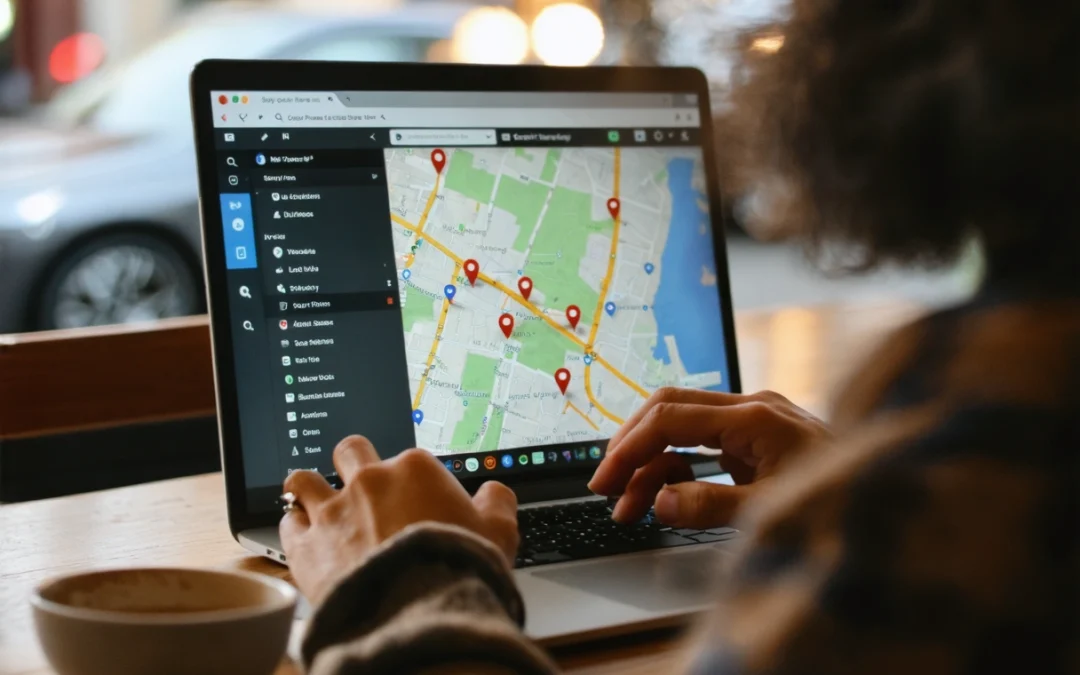
In the ever-evolving digital landscape, businesses of all sizes are striving to gain a competitive edge. While global reach is often the ultimate goal, many companies find unprecedented success by focusing on local markets. This is where local SEO comes into play. Understanding the nuances of local SEO and leveraging its power can propel your business to new heights. With the right strategies and tools, such as those offered by Guru, you can dominate your niche and ensure your business stands out in your local community.
Local SEO (Search Engine Optimization) is the practice of optimizing your online presence to attract more business from relevant local searches. These searches take place on Google and other search engines. They often include a location or the term “near me,” and they have a specific intent of finding businesses or services in a particular geographic area.
For example, if you own a bakery in San Francisco, you want your business to appear prominently in search results when someone in the area searches for “best bakery in San Francisco” or “bakery near me.” Effective local SEO strategies ensure that your business is visible to potential customers who are likely to convert because they are searching for services you offer in your area.
To fully harness the power of local SEO, it’s crucial to understand its core components. These include Google My Business (GMB), local citations, online reviews, localized content, and on-page SEO.
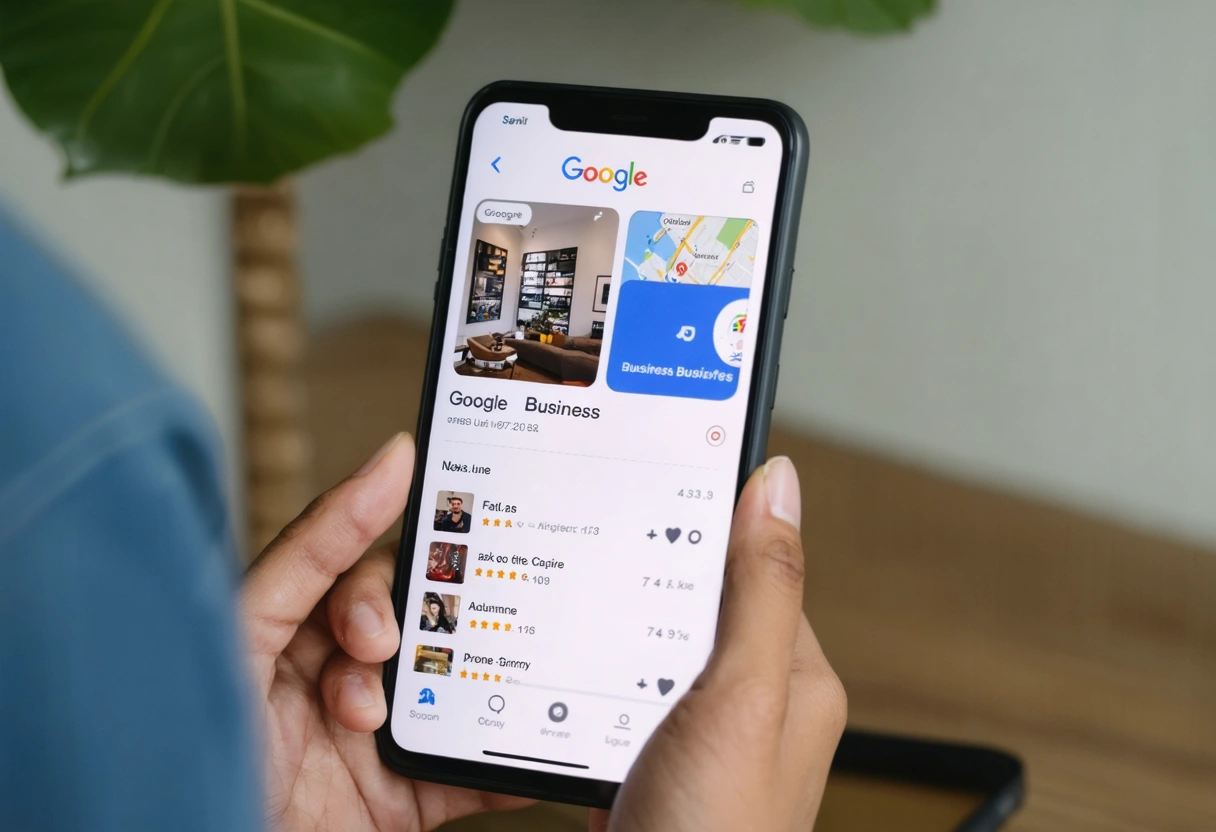
As you delve into local SEO, you’ll find that it requires meticulous attention to detail and a well-rounded approach. This is where Guru’s expertise becomes invaluable. Guru offers a comprehensive suite of SEO tools and resources designed to help you implement effective local SEO strategies and monitor your progress.
One of Guru’s standout features is its ability to provide detailed insights into your local SEO performance. With Guru, you can track your search rankings, analyze your website’s traffic, and identify areas for improvement. This data-driven approach allows you to refine your strategies and make informed decisions that align with your business goals.
Now that we understand the basics of local SEO and the tools available, let’s explore some strategies to help you dominate your niche.
Your Google My Business profile is a vital asset for local SEO. To optimize it effectively, ensure that all information, including your business name, address, phone number, and category, is accurate and up to date. Regularly update your business hours and respond to customer inquiries promptly. Additionally, use high-quality images and videos to showcase your products or services.
Consistency is key when it comes to local citations. Ensure that your NAP information is uniform across all online platforms, including directories, social media, and your website. Tools like Moz Local can help you identify citation opportunities and manage your listings efficiently.

Online reviews play a pivotal role in shaping your business’s reputation. Encourage satisfied customers to leave positive reviews on platforms like Google and Yelp. Respond to reviews—both positive and negative—in a professional and timely manner. This engagement demonstrates your commitment to customer satisfaction and can enhance your local SEO efforts.
Creating content that resonates with your local audience can boost your local search rankings and foster a sense of community. Consider writing blog posts about local events, collaborating with local influencers, and sharing customer success stories. Additionally, incorporate local keywords naturally into your content to improve its relevance.
Social media is a powerful tool for engaging with your local audience. Share updates, promotions, and events related to your business. Engage with your followers by responding to comments and messages promptly. Additionally, consider using location-based hashtags to increase your visibility among local users.
Measuring the success of your local SEO efforts is essential to refining your strategies and ensuring continued growth. Here are some key metrics to track:

Local SEO is a powerful tool that can transform your business by increasing visibility, attracting more customers, and ultimately dominating your niche. By understanding the core components of local SEO, leveraging the right strategies, and utilizing tools like Guru, you can position your business for success in the local market.
As you embark on your local SEO journey, remember that consistency, engagement, and data-driven decision-making are key to achieving your goals. Stay informed about the latest trends and best practices, and continuously refine your strategies to stay ahead of the competition. With dedication and the right resources, you can harness the power of local SEO and see your business thrive.
As local SEO continues to evolve, staying ahead of the curve requires proactive engagement and continuous learning. In the following sections, we delve deeper into advanced strategies and techniques that can further enhance your local SEO efforts. By implementing these practices, you can ensure your business not only remains competitive but also becomes a leader in your local market.
Once you have mastered the foundational elements of local SEO, it’s time to explore more advanced strategies. These tactics can provide additional leverage and help you achieve even greater visibility and influence in your local community.
Structured data markup, also known as schema markup, is a powerful tool that can enhance your local SEO efforts. By adding schema markup to your website, you provide search engines with more information about your business, which can improve how your site is displayed in search results. Implementing structured data can lead to rich snippets, which are enhanced listings that include additional details like business ratings, operating hours, and more.

With the rise of voice-activated devices like Amazon Alexa and Google Home, optimizing for voice search is becoming increasingly important. Voice searches tend to be more conversational and often include questions. Focus on long-tail keywords and natural language phrases that align with how people speak. Additionally, creating an FAQ section on your website can address common queries and improve your chances of appearing in voice search results.
Building strong relationships within your local community can significantly boost your local SEO efforts. Participate in community events, sponsor local organizations, and collaborate with other businesses. These activities not only enhance your brand’s visibility but also generate local backlinks and citations, which can boost your search rankings. Engaging with your community also fosters goodwill and establishes your business as a trusted local authority.
The world of local SEO is dynamic, with new trends and technologies emerging regularly. Staying updated with these changes is crucial for maintaining your competitive edge. Here are some ways to keep your finger on the pulse of local SEO:

To ensure your local SEO strategy remains effective in the long term, it’s essential to adopt a forward-thinking approach. This involves anticipating changes in consumer behavior and search technology, and adapting your strategies accordingly.
Mobile optimization is no longer optional—it’s a necessity. With a significant portion of local searches conducted on mobile devices, ensuring your website is mobile-friendly is critical. Focus on fast loading times, easy navigation, and a responsive design that adapts to different screen sizes. Google’s mobile-first indexing means that the mobile version of your site is prioritized when determining search rankings.
Artificial intelligence (AI) and machine learning are transforming how search engines operate. Understanding how these technologies impact search algorithms can help you optimize your local SEO strategy. For example, Google’s RankBrain uses machine learning to better understand user intent, emphasizing the importance of creating content that satisfies search queries effectively.
In conclusion, local SEO is a critical component of any successful digital marketing strategy. By mastering both foundational and advanced techniques, and leveraging tools like Guru, you can position your business as a leader in your local market. The journey to local SEO excellence requires dedication, continuous learning, and a commitment to delivering value to your local audience.
Embrace the opportunities presented by local SEO, and take proactive steps to adapt to changing trends and technologies. With the right strategies in place, your business can achieve lasting success and become an indispensable part of your community’s fabric.
Need help with Understanding the Power of Local SEO: How Guru Can Help You Dominate Your Niche?

As we step into 2025, local SEO remains a crucial strategy for businesses aiming to capture their local market. With the increasing use of mobile devices and voice search, local SEO techniques have evolved significantly. This guide will explore the best practices for optimizing your local presence on search engines, ensuring you remain ahead of your competitors. From optimizing your Google My Business profile to leveraging local content, we will cover all the essential tactics you need to succeed.
Local SEO is not just about appearing in search results; it’s about creating a comprehensive online presence that resonates with your local audience. This requires a strategic approach to content, links, and user engagement. Let’s delve into the best practices that will help you dominate local search in 2025.
Your Google Business Profile (GBP) is often the first impression potential customers have of your business. Optimizing this profile is essential for local SEO success. Start by ensuring all information is accurate and up-to-date. This includes your business name, address, phone number, and website URL.
Adding high-quality images and videos can make your profile more appealing. Regularly update your business description and highlight any new services or products. Encourage customers to leave reviews and respond to them promptly, as this interaction boosts your local search visibility.
Utilize the Q&A feature to address common customer queries. This not only helps potential customers but also improves your profile’s relevance in search results. Remember, consistency is key; ensure that your business information matches across all online platforms.
Incorporating local keywords into your content strategy is vital. These keywords should reflect the search terms your local audience is using. Tools like Google Keyword Planner and Moz can help you identify relevant keywords. Focus on long-tail keywords that include your location, as they often have less competition and higher conversion rates.

Include these keywords naturally in your website content, blog posts, and social media. For example, if you run a bakery in Austin, phrases like “best bakery in Austin” or “Austin artisan bread” can attract targeted traffic. Regularly update your content to include seasonal or trending local keywords, keeping your site relevant and engaging.
Citations and backlinks from reputable local sources can significantly boost your local SEO. Start by listing your business in local directories such as Yelp, Yellow Pages, and industry-specific directories. Ensure consistency in your NAP (Name, Address, Phone number) across all listings, as discrepancies can harm your ranking.
Building relationships with local influencers, bloggers, and businesses can lead to valuable backlinks. Collaborate on community events or co-host webinars to generate buzz and links. Additionally, consider reaching out to local news sites or industry publications for guest posting opportunities.
Participating in local sponsorships or charities can also earn you mentions and links. These efforts not only improve your SEO but also enhance your reputation within the community.
Producing content that resonates with your local audience is crucial. Focus on topics that matter to your community, such as local events, news, or issues. Share your expertise by offering tips or advice related to your industry. For instance, a local fitness studio might blog about “Staying Fit in Winter” or “Best Outdoor Exercise Spots in Miami.”
Utilize multimedia content, such as videos or infographics, to engage your audience. Hosting webinars or live streams on local topics can also drive traffic and engagement. Encourage your audience to share your content, expanding your reach within the local community.
With the rise of mobile and voice search, optimizing for these platforms is essential. Ensure your website is mobile-friendly and loads quickly, as slow sites can deter potential customers. Use tools like Google’s Mobile-Friendly Test to analyze and improve your site’s performance.

Voice search optimization involves understanding how people speak their queries. Focus on natural language and question-based keywords. For example, instead of “pizza delivery,” optimize for “where can I get pizza delivered near me?” Providing concise answers to common questions can increase your chances of appearing in voice search results.
Social media is a powerful tool for engaging with your local audience. Platforms like Facebook, Instagram, and Twitter allow you to connect with customers and promote your brand. Share content that highlights your local involvement, such as community events or partnerships.
Engage with your audience by responding to comments and messages promptly. Use location-based hashtags to increase your visibility among local users. Hosting contests or giveaways can also boost your engagement and attract new followers.
As the digital landscape continues to evolve, staying ahead in local SEO requires a commitment to continuous learning and adaptation. By optimizing your Google My Business profile, leveraging local keywords, building citations and links, and creating relevant content, you can improve your local search rankings and attract more customers.
Remember to monitor your progress using analytics tools and adjust your strategy as needed. Keep an eye on emerging trends and technologies, such as AI and machine learning, which are shaping the future of SEO. With dedication and the right approach, you can maintain a competitive edge in your local market in 2025 and beyond.
In the realm of local SEO, analytics play a pivotal role in understanding your audience and optimizing your strategies. As we move further into 2025, advanced analytics tools are becoming indispensable for businesses aiming to refine their local SEO efforts. These tools provide insights into customer behavior, search patterns, and the effectiveness of your online presence.

Google Analytics remains a cornerstone for tracking website performance, providing data on user demographics, popular pages, and conversion rates. By setting up goals and tracking user interactions, you can determine which aspects of your strategy are working and what needs improvement. Additionally, platforms like Google Search Console offer valuable information on how your site appears in search results, helping you identify and fix issues that may be hindering your visibility.
Consider using local-specific analytics tools that focus on geographic data. These tools can help you understand where your traffic is coming from and tailor your marketing efforts accordingly. By analyzing trends and performance metrics, you can make data-driven decisions to enhance your local SEO strategy.
Schema markup is a powerful tool that can enhance your local SEO by providing search engines with additional information about your business. This structured data helps search engines understand the context of your content, potentially leading to enhanced search result listings, known as rich snippets.
For local businesses, implementing local business schema is particularly beneficial. This markup includes details such as your business address, phone number, operating hours, and customer reviews. By providing this information, you increase your chances of appearing in local search results and improving click-through rates.
Utilize tools like Google’s Structured Data Markup Helper to implement schema on your website. Regularly update your schema information to reflect any changes in your business details. As search engines continue to evolve, staying updated with the latest schema guidelines can give you a competitive edge in local search.
Customer reviews and testimonials are a critical component of local SEO. Positive feedback not only enhances your online reputation but also influences search engine rankings. Search engines view reviews as a signal of credibility and trustworthiness, making them an essential factor in local search algorithms.

Encourage your customers to leave reviews on platforms like Google, Yelp, and Facebook. Make the process easy by providing direct links or QR codes that lead to your review pages. Respond to reviews—both positive and negative—in a timely and professional manner. This interaction demonstrates your commitment to customer satisfaction and can improve your relationship with clients.
Showcase testimonials on your website and social media to build trust with potential customers. Highlighting real experiences can persuade undecided prospects to choose your business over competitors. Remember, authentic and detailed reviews are more valuable than generic ones, so encourage customers to share specific experiences.
Building strong relationships within your community can significantly boost your local SEO efforts. Engaging with local organizations, participating in community events, and forming partnerships with other businesses can increase your visibility and credibility.
Consider sponsoring local events or charities, which can lead to media coverage and backlinks from reputable local sources. Collaborate with complementary businesses on joint promotions or events to expand your reach and attract new customers. For example, a local coffee shop might partner with a nearby bookstore for a combined event, benefiting both parties.
Engagement doesn’t stop at offline interactions. Use social media to highlight your community involvement, share updates, and encourage local followers to participate. These efforts can foster a sense of community and loyalty among your customers, ultimately enhancing your brand’s local presence.
Artificial intelligence (AI) and machine learning are transforming the SEO landscape, and local SEO is no exception. These technologies are enabling more personalized and predictive search experiences, making it essential for businesses to adapt their strategies accordingly.

AI can help you analyze large amounts of data quickly, providing insights into customer behavior and preferences. Use AI-powered tools to automate and optimize your local SEO efforts, such as keyword research, content creation, and audience targeting. Machine learning algorithms can help you predict trends and adjust your strategy to stay ahead of the competition.
Voice search is another area where AI is making a significant impact. As voice assistants become more widespread, optimizing for voice search is crucial. Focus on natural language and conversational keywords that match how people speak their queries. Providing concise and accurate answers to common questions can improve your chances of being featured in voice search results.
As we look towards the future, several trends are poised to influence local SEO. The increasing integration of augmented reality (AR) in local search is one such trend. AR can enhance user experiences by providing interactive content, such as virtual tours or product demonstrations, directly within search results.
Another trend is the growing importance of privacy and data security. As consumers become more aware of their online privacy, businesses must ensure they adhere to data protection regulations and communicate their privacy practices transparently.
Finally, the rise of hyper-local marketing is changing how businesses approach local SEO. This strategy focuses on targeting specific neighborhoods or communities, offering personalized content and promotions tailored to local interests. By embracing these trends and technologies, businesses can stay ahead in the competitive landscape of local SEO.
In conclusion, mastering local SEO in 2025 requires a multifaceted approach that combines traditional strategies with innovative technologies. By staying informed and adaptable, businesses can enhance their local presence and achieve lasting success.
Need help with Best Practices for Local SEO in 2025: A Comprehensive Guide to Stay Ahead of Your Competitors?